
 EN
EN
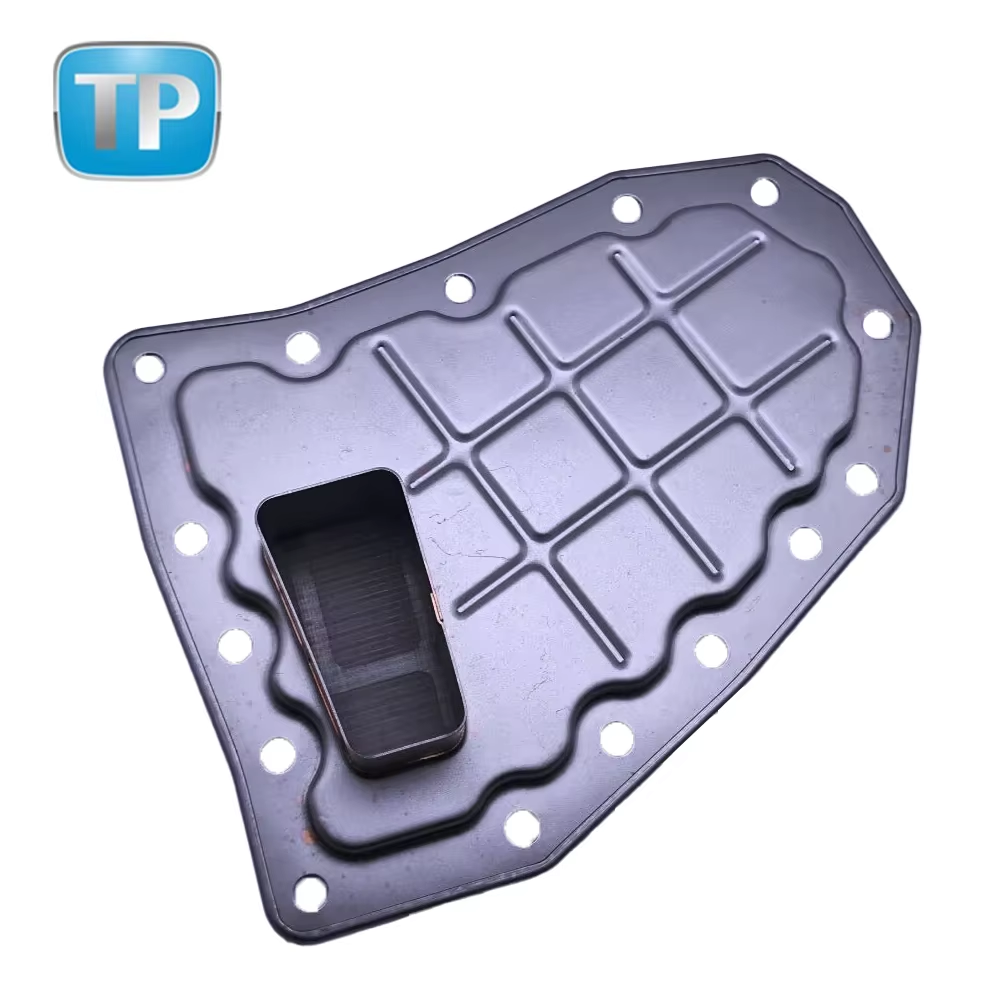
How Transmission Filters Prevent Contamination-Induced Wear
Intercepting metal shavings, clutch debris, and oxidation byproducts before they recirculate
Transmission filters act as the main barrier against harmful wear caused by contamination, grabbing damaging particles before they get back into the hydraulic system. When things run normally, all sorts of stuff gets caught in there metal bits from gears rubbing together, little pieces of clutch material when it engages, and those nasty oxidation products from the fluid itself. This keeps abrasive stuff away from delicate parts such as valves, solenoids, and those complicated planetary gears. If there's no good filtration happening though, these bad guys just keep going around and around. Every time they pass through the system, they grow bigger and more numerous, which means the wear happens much faster than it should. Some research out there indicates that systems without proper filters can see their thrust washers and bushings wearing down three times quicker. Putting the filter right in the return line makes sure that every drop of fluid goes through the filter media first before hitting any sensitive spots, keeping the lubricant clean and maintaining how well the whole system responds.
Micron rating and filter media type: Why 15–25 micron efficiency matters for modern gearboxes
Today's transmission filters offer better protection because they're designed with specific micron ratings and made from synthetic materials that work really well. Filters rated between 15 to 25 microns catch those pesky particles that can actually damage transmissions. These particles are big enough to scratch components but too tiny for regular filters to grab. The synthetic media used in these filters beats old fashioned paper filters hands down. They maintain around 20 micron efficiency, which means they trap about 98% of stuff that wears down parts over time. Plus, they hold onto dirt much longer before needing replacement, sometimes stretching service intervals by as much as 40%. And unlike paper filters, the fibers stay intact even when pressure changes happen inside the system. This matters because if we let those little metal bits below 30 microns build up in the valves or clutch areas, it causes all sorts of problems like jerky shifting and broken solenoids. Mechanics see this all the time in their shops. Studies on hydraulic systems show transmissions with these filters have about half as many solenoid issues compared to others. Another good thing is how these filters handle smaller debris. Instead of letting everything pile up on the surface, the depth loading design lets contaminants get trapped deeper inside the filter media.
Consequences of Neglecting Transmission Filter Maintenance
Flow Restriction, Pressure Drop, and Resulting Symptoms: Delayed Shifts, Overheating, Torque Converter Slippage
When people ignore regular maintenance for their transmission filters, it causes serious problems with fluid flow. The system basically runs out of enough hydraulic pressure to work properly. What happens next? Gears start engaging late or not at all. The torque converter slips when accelerating, and shifts become rougher than normal. At the same time, poor circulation means heat can't escape properly. Fluid temps go way up past what's safe, sometimes hitting over 250 degrees Fahrenheit. When this keeps happening, the oil gets thinner and starts breaking down faster. Pressure differences also put extra strain on seals and gaskets throughout the system. If none of this gets fixed, the whole transmission takes a beating. Clutches wear out, bearings get damaged, and those expensive planetary gears suffer real damage. Eventually, most transmissions fail completely under these conditions.
Ford 6R80 Case Study: 67% of Premature Failures Linked to Overdue Transmission Filter Replacement
Looking at actual field data shows just how bad neglecting filter maintenance can get. When researchers looked into why so many Ford 6R80 transmissions needed early rebuilds, they discovered about two thirds of them had really dirty filters. Some were even past their recommended change dates by quite a bit. What happens then? The filters get so full that the oil just goes around them instead of through. This means gritty, dirty oil ends up going straight to the valve bodies and clutches, wearing them down over time. These kinds of problems could have been stopped entirely if those filters had been changed when needed. Regular filter changes aren't just good practice they actually stop expensive damage from happening in the first place.
Transmission Filter Replacement Intervals and Measurable Service Life Gains
J.D. Power 2023 data: Correlation between on-schedule filter changes and +32% average gearbox lifespan
Following the recommended schedule for replacing transmission filters actually makes a big difference in how long the transmission lasts. According to J.D. Power's latest reliability report from 2023, cars that stick to their maintenance schedules tend to have transmissions that last about 32% longer than ones where people forget to change those filters. The reason? Regular filter changes remove all those tiny bits of metal and dirt that would otherwise cause serious damage over time inside the gears, clutches, and valves of the transmission. For drivers who tow heavy loads regularly, spend lots of time stuck in traffic, or drive in really hot or cold weather, changing filters more frequently becomes important. Most mechanics suggest going every 30,000 miles instead of waiting until 60,000 under normal driving conditions. When filters aren't changed when they should be, sludge builds up and creates problems with the fluid flow, which wears out parts faster than normal. Taking care of these maintenance tasks upfront saves money in the long run too. Nobody wants to pay around $3,200 for a complete transmission overhaul when a simple filter change only costs about $200 at most.
OEM vs. Aftermarket Transmission Filters: Performance, Standards, and Longevity Trade-offs
SAE J1858 testing benchmarks: Filtration efficiency, capacity, and bypass valve reliability
The SAE J1858 standard sets strict requirements for how transmission filters should perform. It looks at things like how well they catch particles (at least 95% of stuff between 15 to 25 microns), how much dirt they can hold before getting overwhelmed, and whether their bypass valves work properly when engines start cold or get clogged up. Original equipment manufacturer filters generally hit these marks because they follow tight manufacturing rules and use specific materials. Aftermarket filters tell a different story though. Tests from the Automotive Tribology Journal last year showed some serious problems. About 30% couldn't even reach basic efficiency levels, and nearly a quarter had their bypass valves kick in too soon when pressure dropped. Some high end aftermarket brands come close to OEM quality, but cheaper options often cut corners on things like filter media thickness, fiber distribution, or proper valve settings. This increases chances of gritty particles getting back into the system or allowing unfiltered fluid to circulate when it matters most.
FAQ Section
What is the main function of a transmission filter?
A transmission filter prevents harmful wear caused by contamination, trapping damaging particles like metal shavings, clutch debris, and oxidation byproducts before they recirculate through the hydraulic system.
Why is it important to adhere to filter replacement schedules?
Regular filter changes prevent wear-inducing particles from causing damage inside the gearbox, clutches, and valves, thereby prolonging the lifespan of the transmission by about 32% on average.
How do aftermarket filters compare to OEM filters?
While some high-end aftermarket filters approach OEM quality, many fail to meet SAE standards for efficiency and reliability, potentially allowing contaminants to circulate within the system.
What happens if transmission filters are not maintained?
Ignoring maintenance can lead to flow restriction, pressure drops, delayed shifts, overheating, and ultimately, complete transmission failure.
What is the significance of the 15–25 micron rating?
Filters with a 15–25 micron rating effectively capture particles that could damage the transmission, thus maintaining efficiency and preventing long-term wear.