
 EN
EN
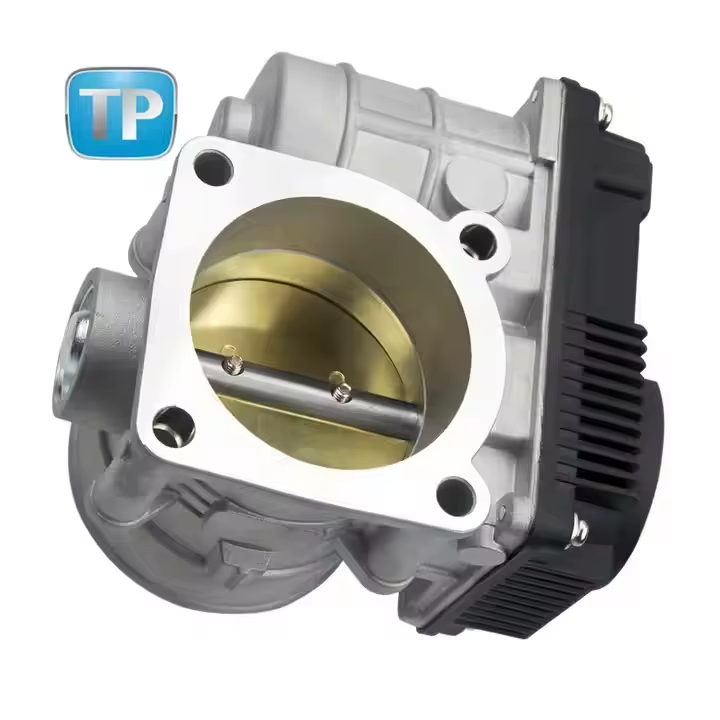
Throttle Body Types Optimized for Aftermarket Customization
Single, Twin, and Multi-Throttle Setups: Tuning Flexibility by Application
Single throttle bodies (STBs) are all about keeping things simple and budget friendly, which makes them great for everyday driving situations where smooth operation and meeting emission standards is important. When it comes to V-shaped engines though, twin throttle setups really shine because they help balance air distribution across both sides of the engine, giving better torque in the middle range. Then there's the multi-throttle approach where each cylinder gets its own individual throttle body. These setups deliver maximum throttle reaction and improved airflow efficiency when revving hard, so they're basically the gold standard for race cars and performance machines. For anyone tuning engines, understanding this basic hierarchy helps match airflow characteristics to what the engine needs. STBs work best for daily drivers needing good low speed performance, twins create those nice balanced power curves, while multi-throttle systems are where serious power and quick response come into play.
Electronic vs. Mechanical Throttle Bodies: Compatibility with Modern ECU Tuning
Electronic throttle bodies (ETBs) play a key role in modern engine management systems. They enable drive by wire operation, help manage traction control systems, and allow for real time adjustments to boost pressure in engines with forced induction setups. The accuracy of airflow measurement gives much better control during sudden changes in driving conditions, something that matters a lot when dealing with turbocharger spool times or supercharger response delays. For older cars being upgraded or projects using standalone engine control units without CAN bus support, mechanical cable operated throttles still work fine. These offer straightforward pedal feel and simpler wiring harnesses. But newer vehicles, particularly ones originally equipped with drive by wire technology, need ETBs installed if they want to keep all the original diagnostic functions working properly. Without them, the car loses proper throttle calibration settings and won't pass emissions tests either.
Performance-Critical Throttle Body Features for Enthusiast Builds
Billet Aluminum Construction, CNC Porting, and Airflow Optimization
For anyone building serious performance engines, billet aluminum throttle bodies have become pretty much standard equipment these days. They offer better strength while weighing less than other options, plus they handle heat much better when there's constant boost pressure applied. Cast versions just can't match this because the CNC machining process keeps the throttle plates perfectly aligned even as conditions change, which cuts down on air turbulence and those annoying lag effects we all know too well. When manufacturers spend time on precision port work and finish surfaces at the micron level, tests on dynamometers show noticeable improvements in airflow typically around 10% give or take. This matters a lot for how efficiently an engine takes in air whether it's running naturally aspirated or with turbochargers/superchargers attached. Getting rid of those casting lines also helps air move smoothly through the system, so any modifications made to the intake actually work as intended without causing problems further along the line.
Key Compatibility Metrics: Bore Size, Vacuum/Signal Port Layout, and Fuel System Sync
When picking the right bore size for an engine build, there's a delicate balancing act between displacement, camshaft characteristics, and where the power band needs to be. Going too big on the bore can really mess up how the engine responds at lower RPMs and makes the idle feel unstable. On the flip side, going too small restricts airflow at higher RPMs which limits performance potential. Most experienced tuners stick to a simple rule of thumb: don't let the bore diameter go beyond 110% of what the original intake manifold was designed for. Getting vacuum ports and signal ports right matters a lot too. These need to line up exactly with how the factory set them up for things like EVAP systems, PCV valves, brake boosters, and MAP sensors. If they don't match properly, expect all sorts of problems like rough idling or those pesky check engine lights showing up. For engines with drive-by-wire technology, getting the throttle position sensor voltage just right and making sure the electronic idle air control system works smoothly together is absolutely critical. Otherwise, drivers will notice strange hesitation when accelerating or inconsistent idle speeds. After installation, adjusting the fuel injector pulse widths usually becomes necessary to keep the air-fuel mixture within acceptable ranges throughout all driving conditions.
Styling and Aesthetic Integration of Aftermarket Throttle Bodies
Downdraft, Carb-Style, and Anodized Billet Throttle Bodies in Show & Go Builds
Aftermarket throttle bodies are becoming something more than just functional parts these days. They're also serving as eye-catching focal points in those carefully styled engine compartments many enthusiasts put together. The downdraft designs really stand out because they create that vertical look so popular among hot rod fans, making them perfect for older cars getting a fresh makeover. Carb style versions manage to mix old school charm with today's technology. Think polished linkage mechanisms, those distinctive velocity stacks, and all sorts of details that match what was available back in the day, but still work great with electronic fuel injection systems. For folks who want their engines to look sharp, CNC machined billet aluminum pieces offer something special. These parts have incredibly precise dimensions, clean lines, and come in colors like stealth black, cobalt blue, or even titanium gold finish options. This lets builders coordinate colors across different components for a unified appearance. Plus there's the added benefit of being lighter than regular cast alternatives, sometimes cutting down weight by around 40%. And let's face it, nobody wants their car looking good if it doesn't perform well too.
Essential Integration Requirements for a Seamless Throttle Body Upgrade
Getting the most out of an aftermarket throttle body requires careful focus on three main areas that all work together. First things first, electronics need to match perfectly. Drive-by-wire systems demand spot-on TPS voltage settings, proper CAN-bus protocols, and timing that matches what the factory intended otherwise the car might go into limp mode or throw communication errors. Then there's the physical fit. The manifold has to sit just right with no more than 0.05mm gap between surfaces, and those vacuum ports need to line up exactly where they should be. Even small mistakes here can create vacuum leaks that sap 5 to 7% off peak horsepower according to tests on dynos. Lastly, after installation, it's crucial to calibrate everything properly with good tools like HP Tuners. Airflow tables need adjusting within about 2 to 5% to keep air fuel ratios balanced throughout different driving conditions. Miss any of these steps and problems like erratic idle or dangerously lean mixtures become real possibilities. That's why having someone experienced handle the tuning makes such a difference when trying to get real power gains from this kind of upgrade.
FAQ Section
What is the benefit of using a single throttle body (STB)?
A single throttle body simplifies your setup and is budget-friendly, making it ideal for daily driving where smooth operation and meeting emission standards are important.
Why would one choose a multi-throttle setup?
Multi-throttle setups provide each cylinder with its own throttle body, offering maximum throttle response and improved airflow efficiency, which is ideal for race cars and high-performance vehicles.
What are the differences between electronic and mechanical throttle bodies?
Electronic throttle bodies (ETBs) allow drive-by-wire operation and better control over airflow, essential for modern engine management systems. Mechanical throttles are simpler but lack the advanced integration features of ETBs, making them better suited for older vehicles or projects without CAN bus support.
How do billet aluminum throttle bodies contribute to engine performance?
They offer better strength and heat handling under constant boost pressure, with CNC porting reducing air turbulence and enhancing airflow efficiency.
What should be considered when choosing the bore size for an engine build?
The bore size needs to balance between engine displacement, camshaft characteristics, and the desired power band to ensure proper engine response across the RPM range.
Table of Contents
- Throttle Body Types Optimized for Aftermarket Customization
- Performance-Critical Throttle Body Features for Enthusiast Builds
- Styling and Aesthetic Integration of Aftermarket Throttle Bodies
- Essential Integration Requirements for a Seamless Throttle Body Upgrade
-
FAQ Section
- What is the benefit of using a single throttle body (STB)?
- Why would one choose a multi-throttle setup?
- What are the differences between electronic and mechanical throttle bodies?
- How do billet aluminum throttle bodies contribute to engine performance?
- What should be considered when choosing the bore size for an engine build?