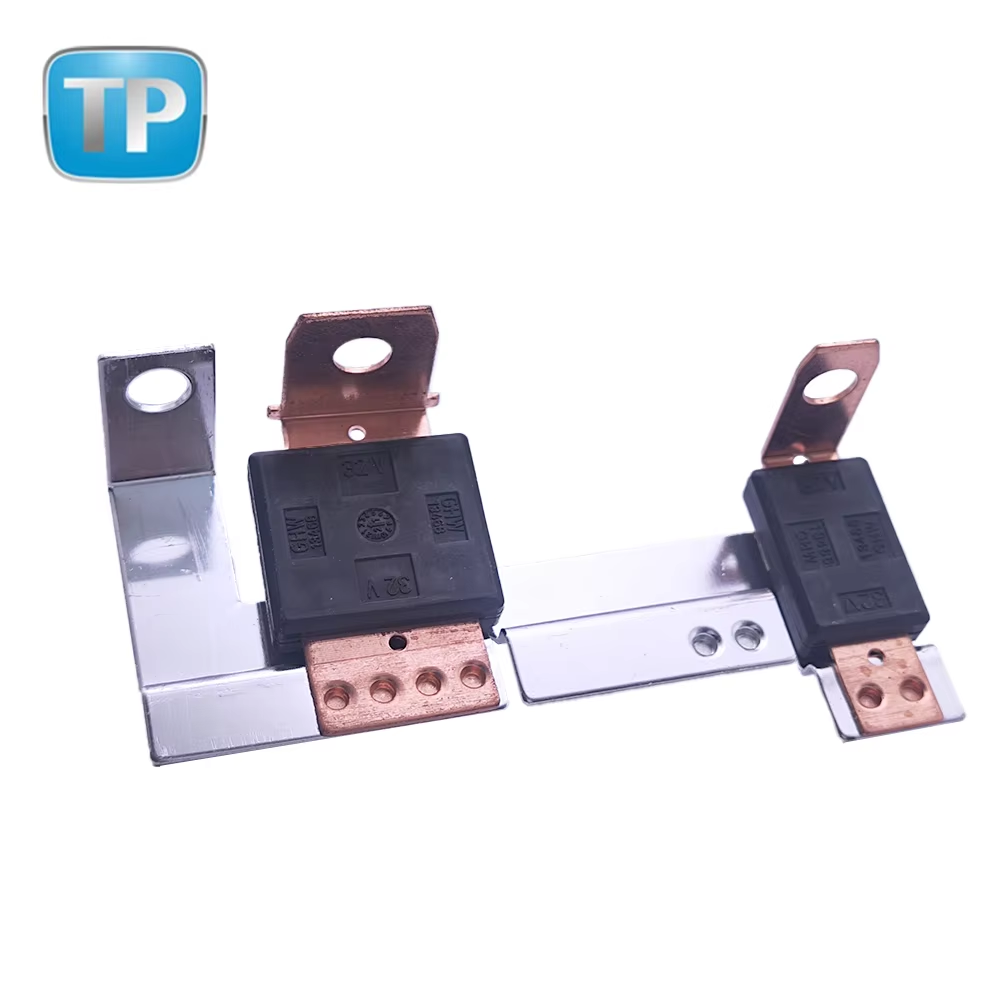
Analyzing the auto fuse from a materials science perspective highlights the engineering behind its reliability. The metal element is not just any piece of wire; it is a carefully formulated alloy, often a combination of copper, silver, or zinc, with specific additives to control its melting point, resistance, and resistance to oxidation over time. The goal is to have an element that provides a stable resistance (and thus a stable voltage drop) under normal conditions but reacts predictably and quickly under fault conditions. The plastic housing is typically made from a durable polymer like polycarbonate or PET, chosen for its high dielectric strength, heat resistance, and ability to remain stable across a wide temperature range (-40°C to +125°C is common). The application of fuses in sensor circuits is a great example of protecting low-current, high-value components. Modern engines rely on a suite of sensors: crankshaft position sensors, camshaft position sensors, oxygen sensors, etc. These sensors provide critical data to the Engine Control Unit (ECU). Their circuits are typically protected by low-amperage fuses (5A or 7.5A). If the wiring to a sensor were to short out, perhaps due to chafing on a sharp engine component, the fuse would blow. This would cause the engine to run poorly or not start, but it would prevent the surge of current from traveling back into the ECU and damaging its sensitive analog input circuits. The cost of a sensor and a fuse is negligible compared to the cost of a new ECU. This economic reality makes fuses indispensable. Another scenario involves the vehicle's audio system. A premium audio system with multiple amplifiers can draw over 50 amps of current. The main power wire from the battery to the amplifier distribution block is protected by a very large fuse or an ANL-type fuse. This fuse is critical for safety. If that large-gauge power cable were to be pinched and shorted anywhere along its path, the resulting current from the battery would be enormous—easily enough to weld tools and start a fire. The main inline fuse for the audio system is designed to blow almost instantly in such an event, isolating the battery and preventing a catastrophe. The proper installation and rating of this fuse are therefore a primary safety concern in aftermarket audio installations. To ensure you are using the highest quality fuses for all your automotive applications, from delicate sensor circuits to high-power audio systems, we encourage you to contact us for product specifications and sourcing information.