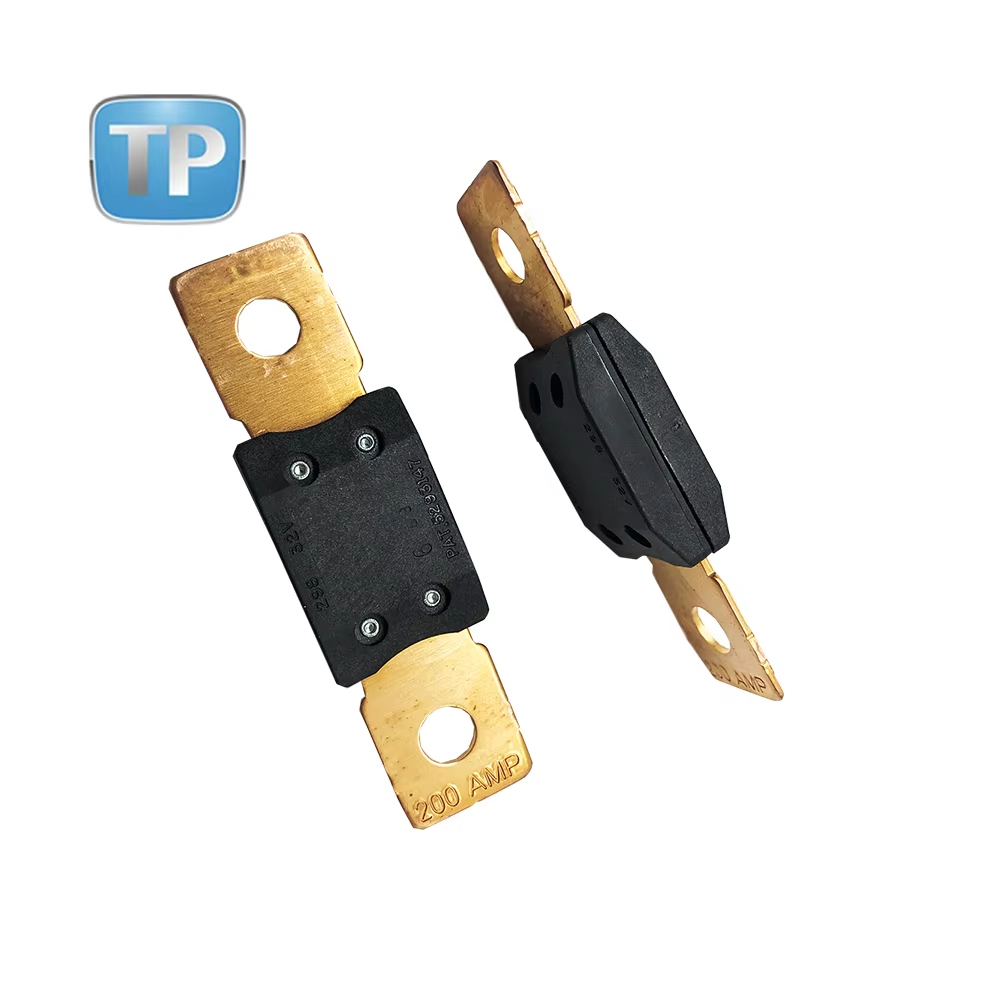
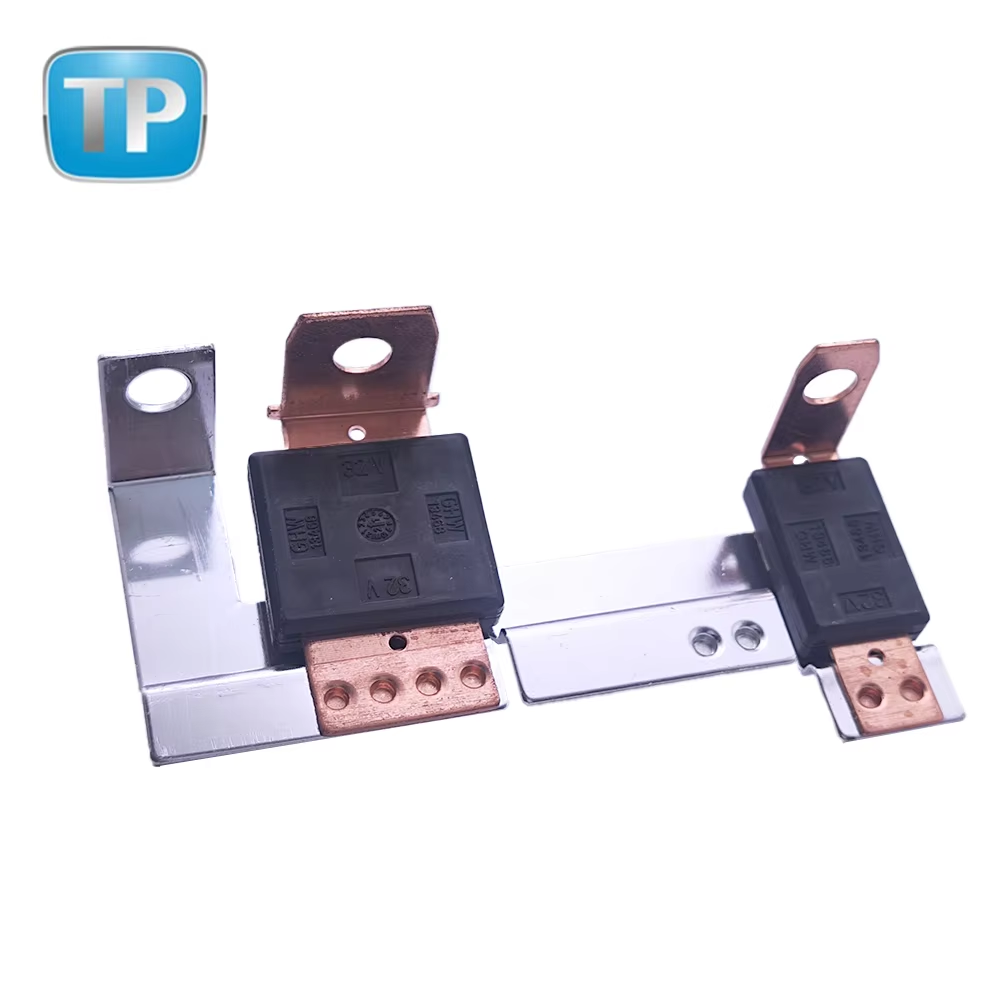
The auto fuse is a key player in vehicle uptime and total cost of ownership. For commercial fleet operators, a vehicle that is disabled due to an electrical fault represents lost revenue. The ability to quickly diagnose and replace a blown fuse can mean the difference between a 5-minute repair and a costly tow and day in the shop. Therefore, training drivers and junior mechanics to safely check and replace fuses is a valuable investment. Keeping a stock of common fuses on hand is a basic but crucial part of fleet maintenance. The technological landscape of circuit protection is evolving. While the blade fuse will be with us for many years, new vehicle platforms are increasingly using Semiconductor Fuses. These are very fast-acting fuses designed to protect sensitive power electronics, like those found in hybrid and electric vehicle inverters and DC-DC converters. These fuses operate on the same principle but are designed to interrupt fault currents in milliseconds to protect expensive insulated-gate bipolar transistors (IGBTs) and other semiconductors. This represents a specialized branch of fuse technology tailored to high-voltage, high-power automotive applications. However, for the conventional 12V system, the blade fuse remains king. A critical consideration often overlooked is the voltage rating of a fuse. While most automotive fuses are used in a 12V system, the rating is typically 32 volts. This provides a safety margin. Using a fuse with a lower voltage rating, not designed for automotive use, could result in the fuse being unable to quench the arc when it blows in a 12V circuit, potentially leading to a sustained arc and fire. This is why it is imperative to use fuses specifically designed for automotive applications. They are engineered and tested for the unique environment of a vehicle. An example of a complex fuse-protected system is the power sliding door and power liftgate on a minivan or SUV. These systems involve multiple motors, sensors, and control modules. A single fuse might protect the power feed to the control module, while separate higher-amperage fuses protect the motor circuits themselves. If the liftgate motor encounters an obstruction, its dedicated fuse may blow, protecting the motor. Understanding this hierarchy of protection is essential for accurate diagnosis. We provide a comprehensive portfolio of circuit protection solutions for the automotive industry. To learn more about our specific offerings for auto fuses and related components, please contact our sales department for a detailed consultation.