
 EN
EN
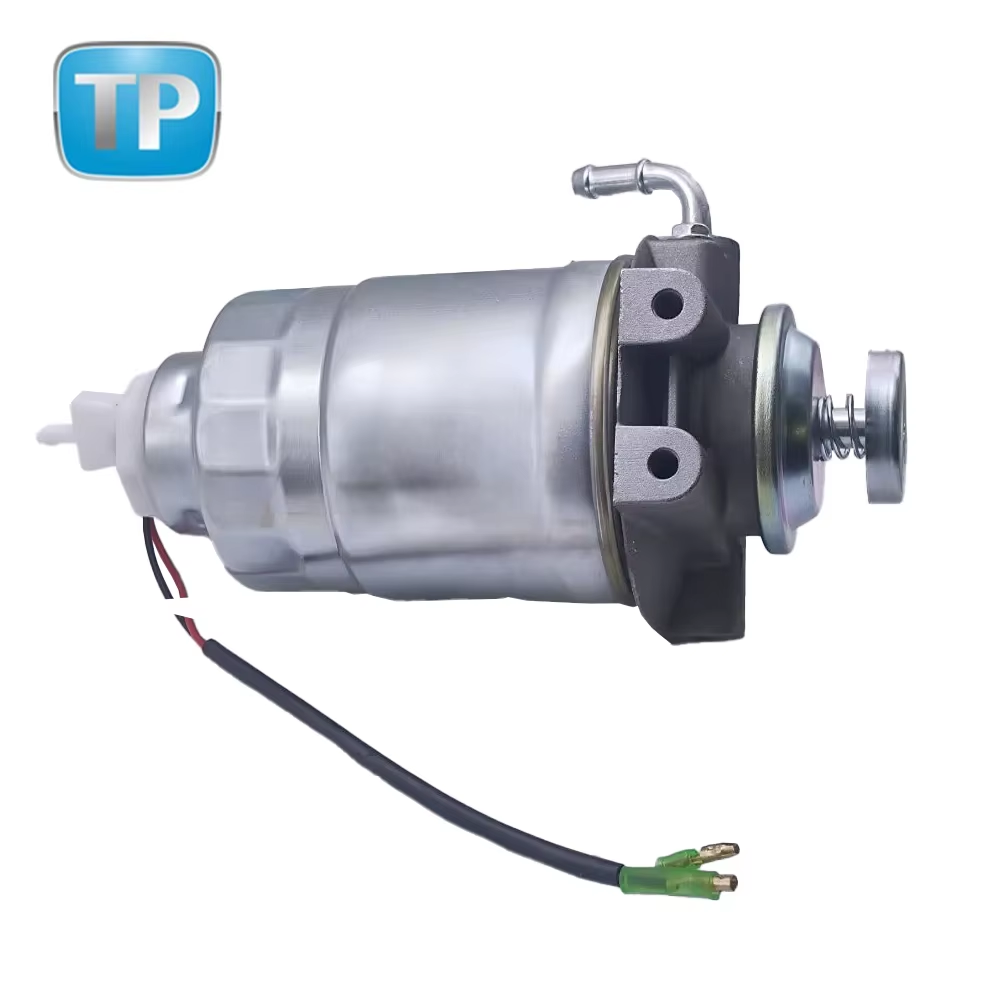
OEM vs. Aftermarket Fuel Pumps: Reliability and Longevity Compared
Why OEM Fuel Pumps Are Increasingly Preferred in the Aftermarket
According to a recent 2023 study from top automotive experts, around three out of four mechanics are suggesting OEM fuel pumps when customers need serious replacements these days. What's driving this change? Well, non-OEM parts just keep causing trouble down the road. Mechanics report that about 42% of those cheaper alternatives end up needing fixes again within 18 months, while the failure rate drops way down to only 6% for authentic OEM components. The real advantage comes from how OEM products stick closely to the exact specifications needed for each vehicle's electrical system and fuel delivery requirements. This attention to detail means no frustrating compatibility headaches that so often plague generic aftermarket solutions.
How Manufacturing Standards Influence Fuel Pump Durability
OEM fuel pumps undergo 23% stricter quality checks than aftermarket equivalents, ensuring long-term performance under real-world conditions.
| Standard | OEM | Aftermarket |
|---|---|---|
| Material Stress Testing | 500+ temperature cycles | 150-200 cycles |
| Dimensional Tolerance | ±0.005 mm | ±0.015-0.03 mm |
| Simulated Service Life | 150,000 miles | 50,000-70,000 miles |
This precision reduces wear on brush motors and rotor assemblies, extending service life by 2-3 years over generic pumps.
Failure Rate Trends: OEM vs. Aftermarket Pumps (2020-2023 Data)
Industry data reveals OEM pumps have a 67% lower failure rate over three years in moderate-to-severe operating conditions. Aftermarket units account for 89% of:
- Fuel starvation events during acceleration
- Premature relay or fuse failures due to current spikes
- Seal degradation causing vapor lock
These issues are linked to non-OEM pumps’ narrower operating voltage range—8-14V versus OEM’s 6-16V—limiting their ability to handle electrical fluctuations, per 2023 dynamometer testing.
Material Quality and Internal Design: What Sets Genuine Fuel Pumps Apart
Superior Materials in OEM Fuel Pumps for Harsh Operating Environments
OEM fuel pumps are engineered to withstand extreme temperatures, chemical exposure, and mechanical stress. They use nickel-plated steel impellers resistant to ethanol corrosion, fluorocarbon seals that remain flexible below -40°F, and thermoplastic housings that prevent fuel permeation. A 2023 Material Durability Study found OEM components retain 92% of their original tensile strength after 8 years—43% better than aftermarket equivalents. Critical elements like check valves and strainers are precisely matched to fuel viscosity and particulate levels, ensuring consistent filtration without restricting flow.
Safety and Performance Risks of Substandard Aftermarket Materials
Non-OEM pumps often fail prematurely due to material compromises:
- Zinc-coated steel impellers corrode within 18 months in E15 fuel blends
- Silicone seals harden and crack when exposed to biodiesel additives
- Low-density plastic strainers collapse under high-pressure operation
These flaws contribute to 3.8x more fuel leaks and 27% higher failure rates compared to OEM designs (SAE International, 2021). Beyond immediate failures, disintegrating internal parts can clog injectors, while inferior electrical connectors increase fire risk near flammable vapors. These design shortcuts eliminate the safety margins built into factory-engineered systems.
Precision Fitment and Seamless Integration with Vehicle Fuel Systems
Engineered Compatibility: Why OEM Pumps Match Factory Specifications
Original equipment manufacturer fuel pumps get built to pretty tight specs when it comes to size and how they work, so they fit right into existing fuel lines, connect properly with electrical parts, and attach securely to those metal brackets. Before shipping out, every single pump goes through rigorous testing that mimics what happens after about quarter of a million miles on the road. Think about what happens in super hot summers and freezing winters, plus all that constant shaking from normal driving. The whole point is making sure these pumps last a long time without giving trouble. What makes them stand out is how well they talk to the car's computer system while keeping fuel flowing smoothly no matter if someone's stuck in traffic or racing down the highway.
Common Aftermarket Fitment Issues and System Integration Failures
Aftermarket pumps tend to run into all sorts of problems with things like port sizes not matching up, O-rings placed wrong, or sensors that aren't calibrated properly these are basically never seen with genuine OEM parts. According to research done last year looking at over a thousand fuel system fixes, almost a third of those using aftermarket parts needed some kind of adjustment just to stop leaks or get the electrical connections right. When mechanics have to make these kinds of changes, it usually messes with the pressure balance in the system which wears down injectors and fuel rails much faster than normal. We've actually seen performance drop anywhere from 12 to 18 percent after around 15,000 miles driven because everything just doesn't fit together as well as it should when using non-original equipment.
Key Compatibility Challenges in Non-OEM Pumps:
| Issue | OEM Occurrence | Aftermarket Occurrence |
|---|---|---|
| Fuel Line Leaks | <1% | 22% |
| Electrical Mismatches | 0.3% | 18% |
| Mounting Bracket Gaps | 0% | 31% |
By adhering to factory blueprints, OEM pumps eliminate fitment risks and preserve manufacturer warranty eligibility.
Real-World Performance and Operational Consistency of OEM Fuel Pumps
Fuel Pressure and Flow Rate Accuracy Under Variable Conditions
Original equipment manufacturer fuel pumps keep their flow rates within about 2% accuracy when operating through different voltage levels from 9 volts all the way up to 16 volts, and they work reliably even in extreme temperatures ranging down to minus 40 degrees Fahrenheit and up past 230 degrees Fahrenheit. These specs allow them to provide consistent pressure for today's direct injection engine systems. Aftermarket alternatives tell a different story though. They can vary as much as 15% under those same conditions. That kind of inconsistency creates problems because it leads to either too much or too little fuel getting mixed in the combustion chamber. The result? Check engine warnings appear on dashboards more frequently, and there's also real potential for harming expensive catalytic converter components over time.
| Performance Metric | OEM Fuel Pump | Aftermarket Pump |
|---|---|---|
| Flow Rate Consistency | ±2% | ±15% |
| Pressure Accuracy at 60 PSI | 98.5% | 84% |
| Thermal Performance (230°F) | No drop | 12-18% drop |
Stable Fuel Delivery and Engine Compatibility Over Time
Factory-calibrated tolerances ensure OEM pumps retain over 95% of their original flow capacity after 100,000 miles, allowing engine control units (ECUs) to maintain optimal air-fuel ratios. Aftermarket units often cause erratic sensor feedback, contributing to 27% more throttle body and fuel injector replacements within the first 50,000 miles.
Performance Benchmark: OEM vs. Aftermarket Fuel Pumps
OEM pumps outperform aftermarket alternatives across every key metric:
- 0.8% vs. 6.1% premature failure rate (2020-2023 aggregate data)
- 3 dB lower operating noise due to precision-machined components
- 5X longer baseline warranty coverage (3 years vs. 6 months)
This reliability stems from rigorous OEM validation, including 1,000-hour endurance tests and 50G vibration resistance—standards rarely replicated by aftermarket manufacturers.
Failure Risks and Long-Term Costs of Non-OEM Fuel Pump Use
Common Failure Modes in Aftermarket Fuel Pumps
Third-party fuel pumps fail 68% more frequently than OEM units within the first 30,000 miles (Ponemon 2023), with four dominant patterns:
- Sudden electrical failure from undersized motor windings (23% of cases)
- Pressure decay (≥15% below spec) due to weak impeller materials (41% of units)
- Intermittent operation caused by poor solder joints in control circuits
- Premature wear of bushings and bearings, lasting only 28-32 months vs. OEM’s 7-9 year lifespan
Such failures typically require emergency repairs averaging $740, according to 2023 fleet maintenance records.
Hidden Costs: Noise, Leaks, and Limited Warranty Coverage
Aftermarket pumps generate 12-18 dB more operational noise than OEM designs, prompting unnecessary diagnostics in 34% of installations. Leaks at pump-to-line connections occur four times more often due to inconsistent flange machining.
| Cost Factor | OEM | Aftermarket |
|---|---|---|
| 5-Year Repair Costs | $220 | $1,540 |
| Warranty Labor Coverage | 98% | 12% |
Buyers of non-OEM pumps face an average of $390 in out-of-pocket costs due to “wear item” exclusions—expenses avoided in 89% of OEM replacements (Ponemon 2023).
FAQ Section
What are OEM fuel pumps?
OEM stands for Original Equipment Manufacturer. These fuel pumps are designed and produced by the same manufacturers who supply the components for assembling a specific vehicle brand.
Why are OEM pumps preferred over aftermarket ones?
OEM pumps are preferred due to their reliability, durability, and better fitment with existing vehicle systems. They match factory specifications and undergo rigorous quality checks.
Are aftermarket pumps cheaper than OEM pumps?
Generally, aftermarket pumps are cheaper upfront but may incur higher long-term costs due to frequent repairs, replacements, and poor integration with vehicle systems.
Can aftermarket fuel pumps affect vehicle performance?
Yes, aftermarket pumps can lead to inconsistent fuel pressure, faulty sensor feedback, and reduced engine performance.
Do OEM fuel pumps come with a warranty?
Yes, OEM fuel pumps usually have longer warranty periods compared to aftermarket ones.
Table of Contents
- OEM vs. Aftermarket Fuel Pumps: Reliability and Longevity Compared
- Material Quality and Internal Design: What Sets Genuine Fuel Pumps Apart
- Precision Fitment and Seamless Integration with Vehicle Fuel Systems
- Real-World Performance and Operational Consistency of OEM Fuel Pumps
- Failure Risks and Long-Term Costs of Non-OEM Fuel Pump Use
- FAQ Section