
 EN
EN
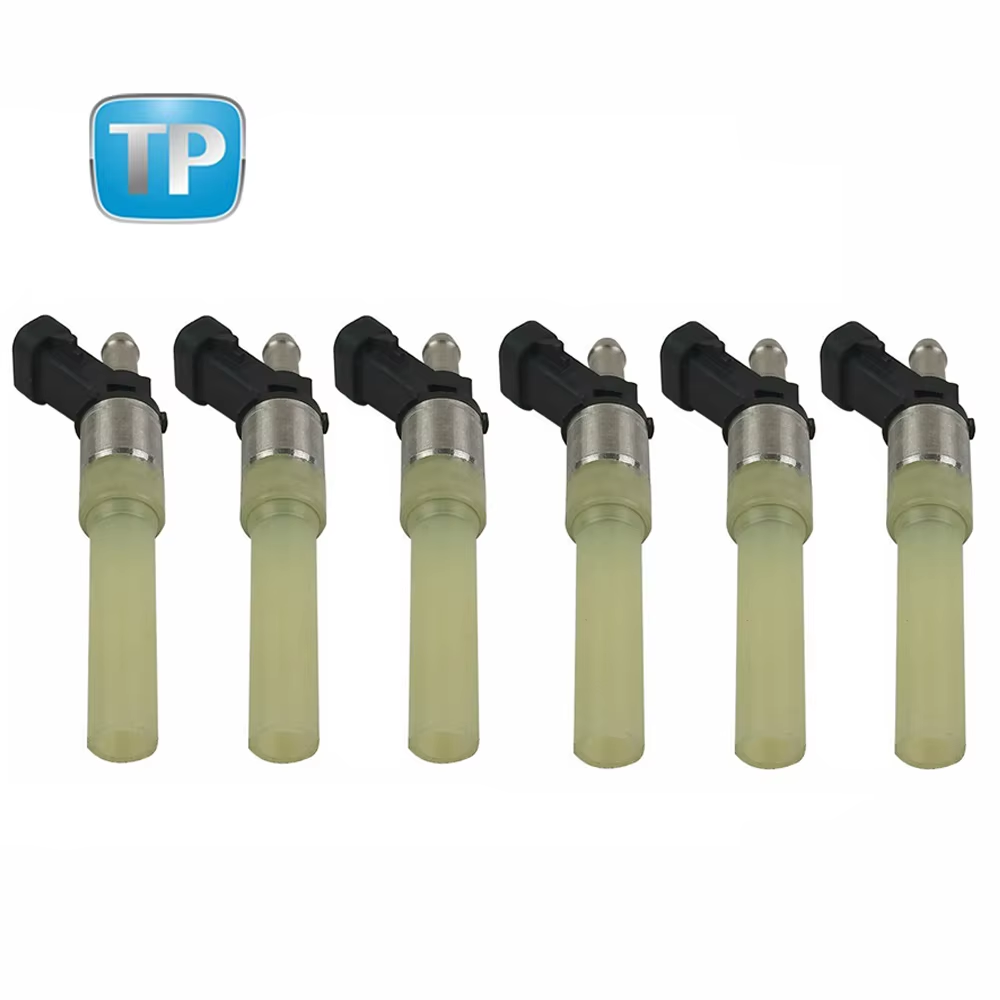
How a Quality Fuel Injector Optimizes Combustion Efficiency
The Science Behind Optimal Fuel Atomization and Spray Pattern
Fuel injectors designed for high performance work by turning liquid fuel into a fine mist using specially crafted nozzles. When this happens, the surface area of the fuel actually goes up around 40 percent, which means it turns to vapor much quicker and mixes better with air. At pressures of about 2500 bar, these injectors create droplets between 10 and 20 microns in size, something that really helps make combustion more even across the engine (according to ScienceDirect from last year). What kind of spray pattern we get matters too. If it's conical shaped or comes out in multiple streams, the fuel spreads more consistently inside the combustion chamber. This reduces leftover fuel that doesn't burn properly and cuts down on those annoying knocking sounds engines sometimes make.
Fuel Injector Flow Rate and Its Impact on Engine Efficiency
The flow rate of a fuel injector needs to match what the engine actually wants throughout different RPM levels. When there's too much fuel going in during light driving conditions, it creates these rich mixtures that end up wasting around 5 to 8 percent extra fuel. On the flip side, not enough fuel when needed leads to lean burning situations where the engine just loses power altogether. These days, modern injectors can handle quite a range - starting around 15 cubic centimeters per minute when idling all the way up to about 1,200 cc/min when accelerating hard. This wide adjustment range helps keep those air-fuel mixtures right on target, which is really important for how well catalytic converters work and for getting good overall engine efficiency too.
Importance of Precise Fuel Delivery for Complete Combustion
Millisecond-level injection timing ensures fuel enters cylinders during optimal intake or compression phases. Deviations beyond 0.5 milliseconds can reduce combustion completeness by 12%, increasing hydrocarbon emissions. Direct-injection systems synchronize with piston positions to within 0.1° of crankshaft rotation, achieving over 99% combustion efficiency in turbocharged engines.
How Fuel Injector Performance and Engine Efficiency Are Directly Linked
Degraded injectors with ±15% flow variation between cylinders create imbalanced combustion, prompting ECUs to enrich fuel mixtures as compensation. This inefficiency increases fuel consumption by 9–14% and reduces horsepower by up to 18%. Testing shows calibrated injectors restore 93% of factory-spec efficiency within three drive cycles, highlighting their critical role in sustained performance.
Performance and Fuel Economy Loss Due to Clogged or Dirty Fuel Injectors
Reduced Fuel Economy Caused by Poor Injector Performance
Clogged or dirty fuel injectors disrupt the precise air-fuel mixture needed for optimal combustion. When atomization fails, engines burn extra fuel to maintain power—increasing consumption by 10–15% (SAE 2021). Key contributors include:
- Over-fueling: Uneven spray patterns lead to wasted, unburned fuel.
- Incomplete combustion: Misfires and rough idling force the engine to work harder.
- ECU compensation: Engine computers detect irregularities and increase fuel delivery, further cutting efficiency.
Injector Clogging and Spray Pattern Disruption: A Hidden Efficiency Killer
Carbon deposits and varnish from low-quality fuel gradually narrow injector nozzles, distorting spray angles and droplet size. This extends combustion cycles by 12–18% (Fleet Management Magazine 2023), forcing engines to expend more energy per power stroke. Unlike sudden mechanical failures, this degradation often goes undetected until fuel costs rise noticeably.
Case Study: Measured Fuel Economy Drop Due to Dirty Injectors
A 2023 analysis of 200 commercial fleet vehicles found units with unmaintained injectors averaged 14.2 MPG, compared to 16.3 MPG after cleaning—a 12% improvement. Over six months, this translated to $1,200 savings per vehicle. The study also showed injectors lose 3–5% efficiency annually under normal conditions, reinforcing the value of preventive maintenance.
Engine Performance Issues Caused by Faulty Fuel Injectors
Engine misfires and rough idling due to injector issues
Faulty injectors deliver inconsistent fuel across cylinders, creating uneven power pulses that result in misfire codes (P0300-P0308) and noticeable vibration. Industry analyses show 72% of unexplained rough idle cases stem from injectors with solenoid response times below 2 milliseconds.
Loss of power and acceleration from inconsistent fuel delivery
Engines lose 8–15% of rated horsepower when injectors deviate beyond the factory-specified ±2% flow variance. During wide-open throttle, lean conditions trigger ECU safeguards that limit RPM. Performance tests reveal this adds 1.2–1.8 seconds to 0–60 mph times, especially in direct-injection models.
Cold start difficulties linked to compromised injector function
Cold starts require 20–30% extra fuel enrichment. Worn check valves cause fuel drain-back, while coked nozzles fail to atomize properly in temperatures below 40°F. This dual failure prolongs cranking by 3–5 seconds and increases thermal stress on catalytic converters during warm-up.
Increased Emissions from Incomplete Combustion Due to Poor Injector Performance
How Dirty Fuel Injectors Increase Harmful Emissions
Malfunctioning injectors disrupt the air-fuel balance, leading to incomplete combustion that releases unburned hydrocarbons (HC) and carbon monoxide (CO). A 2024 combustion efficiency study found degraded injectors increase nitrogen oxide (NOx) emissions by 17% compared to optimized systems. These pollutants degrade air quality and accelerate catalytic converter wear.
Carbon Deposits and Injector Tip Coking as Contributors to Pollution
Carbon buildup alters spray angles and droplet consistency, creating localized fuel-rich zones that generate particulate matter (PM) up to 40% faster than clean injectors. The ScienceDirect combustion analysis found engines with coked injectors produce 23% more soot during cold starts.
Regulatory Implications of Elevated Emissions from Faulty Injectors
Cars that have bad fuel injectors tend to blow past EPA emissions standards for carbon monoxide and nitrogen oxides by around 12 to 18 percent, based on what environmental studies are showing these days. When this happens, vehicle owners face some serious problems like failing emissions tests, getting hit with penalties from the Clean Air Act regulations, and needing to spend money on required fixes. The rules are getting stricter worldwide, particularly in places like California where their Advanced Clean Cars II program wants NOx levels cut down by 75% before 2030 rolls around. So keeping those injectors working properly isn't just good practice anymore it's becoming absolutely necessary if anyone wants to stay within legal boundaries.
Maintaining Fuel Injector Efficiency Through Fuel Quality and Preventive Care
Impact of Low-Quality Fuel on Fuel Injector Longevity
Substandard fuels contain impurities that form carbon deposits on injector tips, reducing flow rates by up to 12% (2024 Fuel Systems Analysis). This contamination forces richer fuel mixtures, increasing strain and shortening injector lifespan by 20–30% compared to premium, API-certified fuels.
Role of Fuel Additives in Maintaining Injector Cleanliness
Certified injector cleaners remove 90–95% of carbon deposits, restoring proper atomization and reducing clogging risk by 60% (2024 Fuel Efficiency Study). Effectiveness varies significantly:
- Solvent-based additives dissolve hardened deposits more effectively than detergent-only formulas
- OEM-approved products are engineered to match injector material tolerances and prevent damage
Controversy Analysis: Are All Fuel Additives Equally Effective?
Independent testing reveals a 35% performance gap between top-tier and generic additives. While most offer short-term flow improvements, only 23% sustain cleanliness beyond 8,000 miles without reapplication. Critics note some products mask symptoms rather than resolve underlying contamination.
Best Practices for Cleaning and Inspecting Fuel Injectors
- Ultrasonic cleaning every 50,000 miles removes microscopic debris unreachable by additives
- Flow testing during oil changes detects early clogs (≥5% deviation signals service need)
- Filter replacements every 15,000 miles prevent particulate recirculation
Proactive care combined with high-quality fuel extends injector life to 150,000+ miles—over twice as long as reactive repair approaches.
FAQ
What are the symptoms of a faulty fuel injector?
Symptoms include engine misfires, rough idling, loss of power and acceleration, cold start difficulties, and increased emissions.
How often should fuel injectors be cleaned?
It's recommended to clean fuel injectors every 50,000 miles for optimal performance.
Can I use fuel additives to clean my injectors?
Yes, certified fuel additives can help with injector cleanliness, but ultrasonic cleaning is more thorough.
How does poor fuel quality affect injector performance?
Poor fuel quality can lead to carbon deposits and clogging, reducing injector efficiency and lifespan.
What is optimal fuel injector flow rate?
The optimal flow rate varies with engine RPM and needs to be adjusted for efficient combustion.
Table of Contents
- How a Quality Fuel Injector Optimizes Combustion Efficiency
- Performance and Fuel Economy Loss Due to Clogged or Dirty Fuel Injectors
- Engine Performance Issues Caused by Faulty Fuel Injectors
- Increased Emissions from Incomplete Combustion Due to Poor Injector Performance
- Maintaining Fuel Injector Efficiency Through Fuel Quality and Preventive Care