
 EN
EN
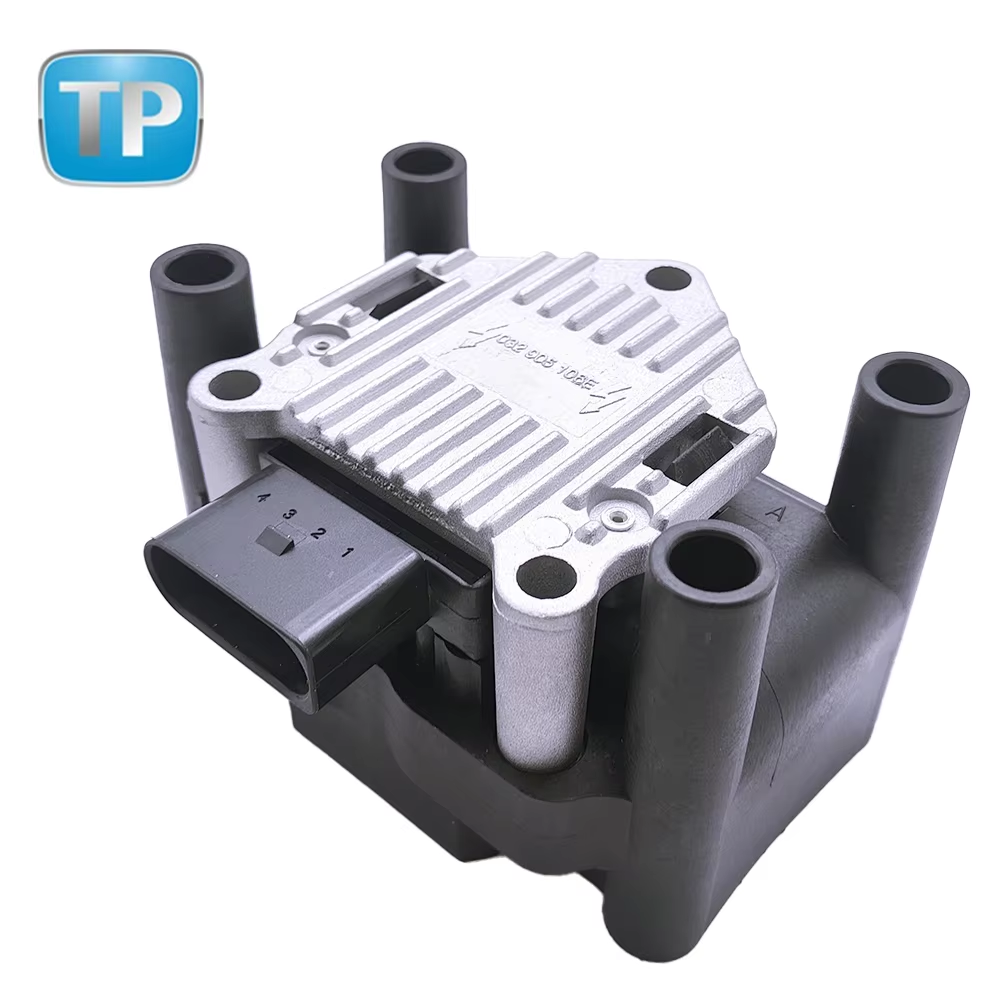
How Quality Ignition Coils Enhance Engine Efficiency and Reliability
The Core Function of Ignition Coils in Modern Engines
Today's ignition coils boost a car's standard 12 volt battery power up to around 45 thousand volts, which is exactly what it takes to start burning that compressed air and fuel mixture inside the engine. The spark needs to work properly no matter how fast the engine spins or what temperature it's running at outside. According to industry reports, vehicles equipped with top quality ignition coils get about 1.8 percent better gas mileage than cars using worn out parts. That might not sound like much, but when multiplied over thousands of miles driven, these small improvements make a real difference for both wallet and environment.
How Spark Energy and Discharge Duration Influence Combustion
Getting good combustion going needs a spark that lasts around 1.5 to 2 milliseconds long enough to light up those lean air fuel mixes properly. When we look at lab results, top notch ignition coils keep their spark duration pretty steady, staying within plus or minus 0.03 milliseconds even when working hard. Cheaper models tend to drift more, sometimes bouncing between 0.12 milliseconds difference. Why does this matter? Because inconsistent sparks lead to incomplete burning which wastes gas and pumps out more pollution than necessary. According to recent EPA tests from 2023, cars fitted with these better performing coils actually produced about 5 percent less hydrocarbons overall. Not bad for something so small but important.
Role of Ignition Coils in Preventing Engine Misfires
When engines misfire, it's usually because the spark doesn't pack enough punch—around 35 mJ or less is what gets things going properly. And guess what? Our coils are often to blame when this happens. Recent research from last year showed that nearly three out of four engine shutdowns caused by misfires actually stem from worn out coil insulation. That's pretty telling stuff for anyone running a fleet. The good news? There are better options available now. Top quality coils come with those fancy triple layer epoxy coatings that can handle heat well beyond 200 degrees Celsius. Real world testing has shown fleets switching to these upgraded parts experience about a third less unexpected downtime each year according to NAFA Fleet Management Association findings from 2023. Makes sense really—if your coils last longer, so does your uptime.
Signs of Ignition Coil Failure and Its Impact on Engine Downtime
Common Signs of a Faulty Ignition Coil
When an ignition coil starts going bad, drivers typically notice problems like occasional misfires when accelerating, shaky idle, and power that just doesn't feel right. Fuel economy usually takes a hit too, maybe around 10 or so percent worse than normal, plus the check engine light tends to come on. The root of these troubles lies in how the faulty coil can't send steady electricity to those spark plugs anymore, which throws off the whole combustion process in the engine.
Engine Misfiring and Performance Issues Linked to Coil Failure
Degraded ignition coils produce weak or erratic sparks, leading to incomplete combustion. This results in:
- Hesitation during throttle application
- Unburned fuel entering the catalytic converter
- Up to 25% loss in horsepower
Such conditions strain oxygen sensors and exhaust systems, increasing long-term repair costs.
How Ignition Coil Failure Disrupts Engine Performance
Modern engines depend on precise ignition timing; even minor voltage deviationsâas little as 2 kV below specificationâcan trigger performance degradation. When faulty coils disrupt spark delivery, engine control units (ECUs) may activate limp mode, reducing power output by 30â50% to protect sensitive components like the catalytic converter.
Quantifying Downtime Costs from Unexpected Ignition Failures
The 2023 Fleet Maintenance Study shows that problems with ignition systems cause around 19 percent of all unexpected vehicle downtime. When something goes wrong, it typically takes about 2 hours and 40 minutes before things get back on track. The money lost? More than five hundred eighty dollars per incident when we factor in everything from replacement parts to mechanic fees and those frustrating delays that disrupt operations. Companies that switch to regular coil replacements instead of waiting until breakdowns happen save nearly two thirds on these repair costs according to industry data. It's not just about saving money either; vehicles stay on the road longer this way.
Key Factors That Determine Ignition Coil Lifespan and Durability
Materials and Build Quality Affecting Durability
The best ignition coils for high performance typically feature windings that are encased in epoxy and terminals insulated with silicone capable of handling temperatures as high as 150 degrees Celsius or around 302 Fahrenheit. This kind of setup really matters when it comes to keeping things reliable in turbocharged engines where heat is a constant issue. Some research from 2023 showed that these advanced epoxy based coils tend to outlast their thermoplastic counterparts by about 30 percent when exposed to ongoing thermal stress. Another advantage comes from vacuum sealing during manufacturing which cuts down on moisture getting inside by nearly 60% compared to older potting techniques. This makes a big difference in places where humidity levels run high, extending how long these components can function properly before needing replacement.
Reasons for Ignition Coil Failure: Heat, Vibration, and Voltage Spikes
The constant thermal cycling that happens when engines are started repeatedly actually speeds up material breakdown about three times faster than what we see during steady running conditions. For those big trucks and commercial vehicles out there, tiny cracks form in the secondary windings because of all that vibration, and these little fractures end up being behind roughly 40-odd percent of sudden coil failures according to field reports. And let's not forget about those voltage spikes either. When spark plugs get old or the alternator starts acting up, these electrical surges can cut down on coil lifespan by somewhere around 40% as noted in Foxwell's latest diagnostics study from last year. That's why many high end vehicle manufacturers have started incorporating built-in surge protection systems into their designs lately.
OEM vs. Aftermarket Ignition Coil Reliability: What Buyers Should Know
The coils made by Original Equipment Manufacturers typically go through over 500 hours worth of testing specifically for each engine type. When we look at what's available on the market after purchase though, things get interesting. Only about a quarter of those aftermarket parts actually hold up to similar durability tests. But there are exceptions out there. Some aftermarket companies have started producing quality replacements with reinforced boron casings these days. They even come with longer warranties sometimes running seven years or 100 thousand miles. If someone wants something that performs just as well as factory parts but doesn't want to pay anywhere near 35 to 50 percent extra, checking for certifications like ISO 9001 or SAE J2031 might be worthwhile. These marks can help point toward trustworthy alternatives in the crowded marketplace.
Innovations in Ignition Coil Design for Improved Performance and Longevity
Advancements in insulation and thermal management
Modern ignition coils incorporate multi-layer epoxy resins and ceramic-coated secondary windings, reducing electrical leakage by 73% compared to conventional designs (Automotive Engineering Journal 2023). These enhancements support stable operation at temperatures up to 150°Câcritical in turbocharged engines where underhood heat frequently exceeds 260°F.
Aftermarket ignition coil upgrades for high-performance needs
High-output coils now deliver 45 kV spark energy with 1.3 ms discharge durations, boosting combustion efficiency by 18% in forced-induction engines. The latest performance models feature oxygen-free copper windings and silicone-overmolded connectors, proven to endure over 20,000 vibration cycles without failure.
Trend analysis: Integration of smart diagnostics in next-gen coils
Around 38 percent of cars made for 2024 now come with special ignition coils that have built-in current sensors. These sensors can spot problems with coil windings as much as 8,500 miles before they completely fail. Fleet operators testing these systems saw a drop of about two thirds in unplanned breakdowns when their trucks used these smart ignition systems alongside regular engine controls. Major car makers are jumping on board too, implementing fault detection systems that meet ISO 26262 standards. These systems warn drivers through the dashboard display so mechanics can fix issues before they become big headaches. The technology is slowly becoming standard across the industry as companies look for ways to keep their vehicles running longer between repairs.
Proactive Selection and Maintenance to Maximize Vehicle Uptime
Factors to Consider When Buying Premium Ignition Coils
Choose coils built with OEM-equivalent materials such as epoxy-encapsulated copper windings and ceramic core insulation. Key performance indicators include a minimum 45 kV output, thermal stability up to 150°C (302°F), and compatibility with manufacturer-specified dwell time settings. These features ensure consistent spark delivery under diverse driving conditions.
Warranty and Durability as Indicators of Ignition Coil Reliability
Coils backed by 3â5 year warranties typically employ dual-grade silicone insulation and steel alloy housings to resist vibration-induced microcracking. Independent testing confirms that premium units maintain less than 5% resistance variation after 100,000 operational cycles, whereas economy-grade counterparts degrade by 15â20%.
Scheduled Inspection and Maintenance Tips to Extend Coil Life
- Measure primary resistance (0.5â1.2Ω) and secondary resistance (6,000â10,000Ω) every 30,000 miles
- Clean carbon deposits from coil towers using dielectric-safe solvents
- Replace spark plugs concurrently to avoid voltage overload on new coils
Fleets performing bi-annual ignition system inspections experienced 63% fewer unscheduled downtime events due to coil failure, according to the 2023 Fleet Maintenance Report.
Frequently Asked Questions
What are the symptoms of a failing ignition coil?
Common symptoms include misfires when accelerating, a shaky idle, reduced power, a check engine light, and decreased fuel economy.
How often should ignition coils be replaced?
On average, ignition coils should be inspected every 30,000 miles and replaced as needed, especially if signs of wear or failure are detected.
Are OEM ignition coils better than aftermarket ones?
OEM coils generally undergo rigorous testing, ensuring reliability. However, some aftermarket options with certifications like ISO 9001 or SAE J2031 can offer comparable performance at a lower cost.
How do advanced ignition coils help reduce vehicle downtime?
Modern coils with smart diagnostics detect issues early, reducing unplanned breakdowns and maintenance costs, thereby enhancing vehicle uptime.
Table of Contents
- How Quality Ignition Coils Enhance Engine Efficiency and Reliability
- Signs of Ignition Coil Failure and Its Impact on Engine Downtime
- Key Factors That Determine Ignition Coil Lifespan and Durability
- Innovations in Ignition Coil Design for Improved Performance and Longevity
- Proactive Selection and Maintenance to Maximize Vehicle Uptime
- Frequently Asked Questions