
 EN
EN
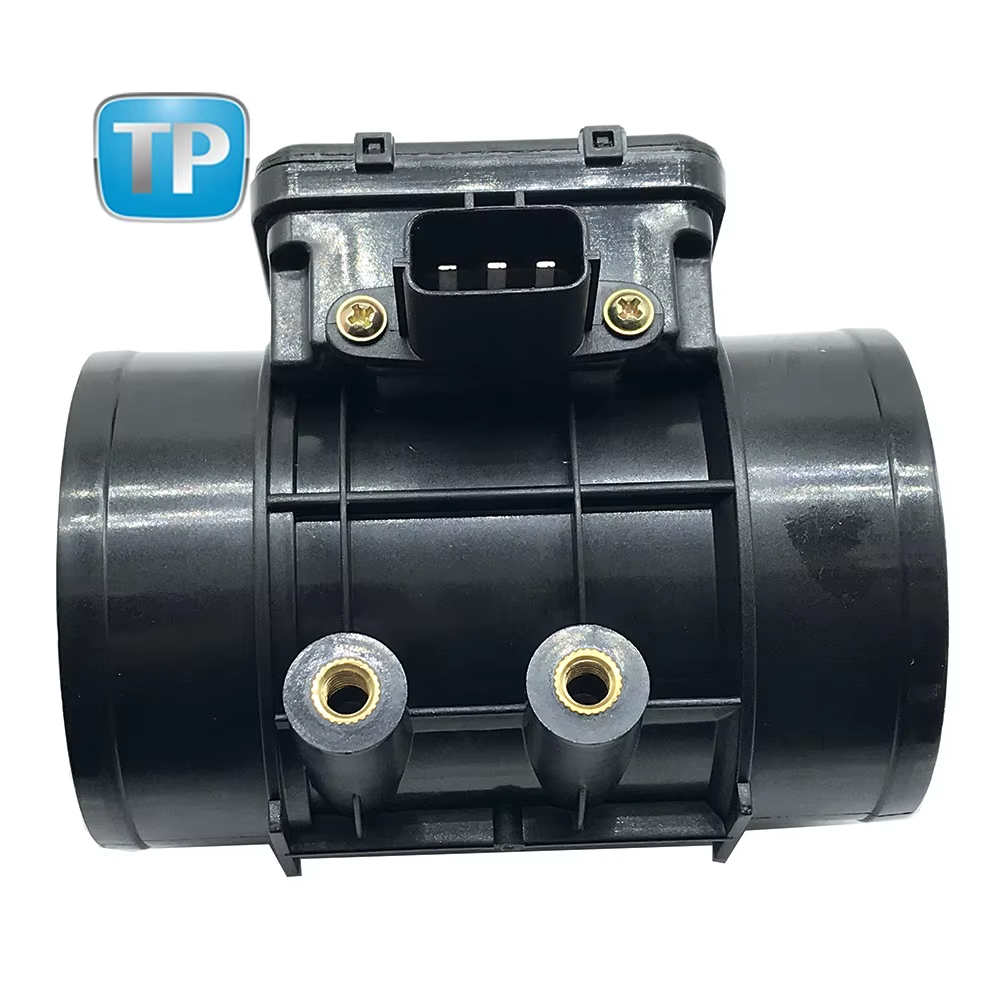
Why Flow Meter Accuracy Matters in Automotive Air Intake Systems
The role of accurate air flow measurement in engine performance and efficiency
The accuracy of flow meters really matters for how well combustion works because they help keep the air fuel mix just right. If there's about a 2% error in measurements, this can actually cut down on engine power by around 5%, according to research from SAE in 2022. That explains why newer engines need flow sensors that are at least 1.5% accurate across their full range. When the airflow readings are spot on, the ECU can manage combustion properly, getting the most power out of the engine while also reducing problems like knocking or misfires that happen when things get too hot inside.
How precise flow meter data improves fuel economy and reduces emissions
Cars fitted with high precision MAF sensors generally get around 3 to 7 percent better gas mileage compared to models that rely on standard volumetric sensors instead. The reason? These advanced sensors allow for much finer control of the engine's combustion process. When engines burn fuel more completely, there are fewer unburned hydrocarbons left behind. This matters a lot when it comes to meeting tough regulations such as Euro 7 requirements in Europe or EPA Tier 4 standards back home. What happens during sudden acceleration or deceleration makes all the difference too. Advanced flow measurement systems respond within milliseconds, so they can adjust fuel delivery before the engine goes into those wasteful rich or lean states. This means less wasted fuel overall and cleaner exhaust emissions coming out of the tailpipe.
Key accuracy metrics: repeatability, linearity, and response time
- Repeatability: Top-tier automotive flow meters maintain ±0.5% reading variance across 10,000 cycles
- Linearity: <1% deviation from ideal calibration across a 5–150 g/s airflow range
- Response time: 90–150 ms latency for 10–90% airflow step changes—essential for turbocharged engines
These metrics ensure reliable performance across the full operating spectrum of modern direct-injection engines, from idle (3–5 g/s) to wide-open throttle (250+ g/s).
Common Types of Air Flow Meters in the Automotive Industry
Mass Air Flow (MAF) Meters vs. Volumetric Sensors: Understanding the Difference
MAF sensors basically track how much air is getting into the engine through thermal measurement methods. This information helps keep the air fuel mixture balanced properly for efficient combustion. Volumetric sensors work differently though. Take those old school vane type sensors for instance they actually measure air volume rather than mass. But wait there's more to it since these need extra calculations based on temperature and pressure readings just to approximate what the actual air mass flow really is. Most newer vehicles have switched to MAF systems over time because they handle sudden changes better when driving conditions shift quickly or when there are fluctuations in outside temperatures.
Thermal Flow Meters: Why Hot-Wire and Hot-Film Dominate Modern Vehicles
The basic principle behind hot wire sensors involves heating up a platinum wire until it gets nice and warm, then letting the air passing over it cool things down. Hot film versions work similarly but with a different setup they have those tough ceramic coated components instead. What these devices actually do is track how much electricity is required to keep the sensor at a steady temperature, which gives them an accurate read on airflow conditions. Most gas engines rely on thermal flow meters for monitoring purposes, something that makes sense when we consider the specs these gadgets offer. About 7 out of 10 applications in this field use thermal technology because they deliver pretty good results around plus or minus 2 percent accuracy, and they still perform well even when humidity levels fluctuate throughout operation.
Differential Pressure and Venturi-Based Flow Meters in Specialized Applications
Differential pressure or DP meters work by looking at how much pressure drops when air passes through things like orifice plates or venturi tubes. They aren't as spot on as thermal mass air flow sensors, typically having around a 5% margin of error. But for those high performance setups and race cars, DP meters tend to be the go to choice. Why? Because when dealing with massive airflow volumes, sometimes hitting 12 thousand kilograms per hour, regular thermal sensors just can't keep up. And speaking of venturi systems specifically, these actually help cut down on turbulence problems that happen in fast moving air intakes, which makes everything run smoother overall in real world conditions.
Ultrasonic and MEMS-Based Sensors: Emerging Technologies for High-Precision Intake Measurement
Ultrasonic flow meters work by measuring how long it takes sound waves to travel through air, which lets engineers determine velocity pretty accurately - about plus or minus 1% in those new hybrid engine prototypes we've been seeing lately. Then there are these MEMS sensors, short for Micro-Electromechanical Systems, that combine tiny silicon thermistors with built-in circuits right on the chip itself. What this does is create response times under 10 milliseconds, something really important for those stop-start systems in modern cars. Some recent tests actually found that when temperatures drop below freezing, these MEMS sensors can cut down cold start emissions by around 18%. That kind of performance makes them look pretty good for what's coming next in automotive powertrain technology, especially as manufacturers try to meet stricter emission standards without sacrificing efficiency.
How Mass Air Flow Meters Work in Car Engines
Thermal Mass Flow Principle: Measuring Air via Heat Transfer
MAF meters work by measuring airflow using heat transfer principles, giving readings within about 2% accuracy most of the time. Inside these devices, there's usually a platinum wire or thin film that stays about 100 degrees hotter than the air coming in. When air passes over this hot element, it naturally cools down based on how much mass is moving through. The electronics inside track how much electricity is needed to keep that temperature difference, which gets converted into actual airflow measurements in grams per second. What makes this approach so good is that it automatically adjusts for things like temperature changes and different altitudes, something basic volume-based methods just can't handle as well. Scientists have been studying how heat moves through materials for decades, and all those experiments back up why MAF sensors work so reliably in real world conditions.
Signal Calibration and ECU Integration: Turning Airflow Into Actionable Data
Raw MAF signals undergo three key processing stages before guiding engine operation:
- Analog-to-Digital Conversion: Voltage outputs (0–5V) are digitized for ECU interpretation
- Temperature Compensation: Integrated IAT sensors correct for heat-soak effects
- Load Calculation: ECUs combine MAF data with RPM and throttle position to optimize fuel delivery and ignition timing
Post-calibration accuracy degrades by no more than 0.8% annually under normal conditions, though recalibration is recommended during major service intervals to ensure long-term reliability.
Real-World Example: Performance Analysis of Hot-Wire MAF Sensors
A 2023 teardown study of sensors from vehicles with 120,000 miles revealed common failure modes:
| Component | Failure Rate | Performance Impact |
|---|---|---|
| Platinum Hot-Wire | 12% | Lean fuel mixture |
| Contaminated Film | 31% | Delayed throttle response |
| Connector Corrosion | 9% | Erratic idle |
Regular cleaning every 30,000 miles reduces contamination-related failures by 73%, according to powertrain engineering data.
Selecting the Right Flow Meter for Your Application Needs
OEM Reliability vs. Aftermarket Flexibility: Choosing Based on Use Case
The factory flow meters come set up for standard engines and typically give around 1.5% accuracy when everything is running normally. When people modify their intake systems, they need aftermarket flow meters instead. These have much bigger adjustment ranges, about 15 to 25 percent wider than stock ones. But there's a catch they still need special computer tuning to pass emissions tests. Car enthusiasts usually go for those flexible thermal sensors because they offer more room for tweaking performance. Regular commuters on the other hand tend to stick with original equipment manufacturer specifications for mass air flow sensors. These OEM designs work reliably day after day without issues and keep vehicles compliant with all the regulations.
High-Flow Demands in Turbocharged and Performance Engines
Turbocharged engines can push airflows around 40% higher compared to regular naturally aspirated engines, which means standard flow meters just won't cut it anymore. They need instruments that can handle wider ranges and react quickly. The best hot film sensors on the market today manage to stay below 2 milliseconds of delay even when spinning at 10k RPM. That kind of speed is what keeps engines from running too lean when the turbo kicks in hard. From what we've seen in dyno room testing, those vortex style meters start acting sketchy once pressure differences hit about 4.5 Bar. So most shops these days are sticking with thermal mass sensors for their forced induction setups, despite the higher price tag. Makes sense really since reliability trumps cost savings when talking about engine protection.
Challenges in Measuring Low Air Flow During Idle and Cruising
Flow meter performance drops off significantly when resolution falls below 2 grams per second. This matters because even a small 5% error while idling can boost NOx emissions by around 18%, according to recent EPA data from 2024. The best models incorporate dual range approaches these days. They have wide detection capabilities for when things speed up, but also feature finely adjusted diaphragm components that work well at those tricky low flow conditions. Oil buildup becomes a big problem in this area though. Sensors that get contaminated tend to lose their calibration much quicker than clean ones, about 30% faster actually, especially when vehicles are constantly stopping and starting in city traffic situations.
Matching Flow Meter Type to Vehicle Type and Operating Conditions
| Vehicle Use Case | Recommended Meter Type | Key Advantage |
|---|---|---|
| Daily commuting | OEM MAF sensor | Emissions compliance |
| Off-road/High-dust | Heated-element thermal | Debris resistance |
| Racing/High RPM | Ultrasonic wave | No moving parts |
| Altitude variations | Pressure-compensated vortex | Density adjustment |
Hybrid vehicles gain particular advantages from MEMS-based sensors, which seamlessly adapt to rapid transitions between electric and internal combustion operation.
Environmental and Operational Factors Affecting Flow Meter Performance
Effects of Temperature, Humidity, and Altitude on Air Flow Readings
Changes in temperature, varying humidity levels, and differences in altitude can all impact how accurately flow meters work. When temperatures fluctuate, sensor parts tend to either expand or shrink, which can throw off calibration readings by around 1.5% for every 10 degree Celsius change. Modern MAF units have built in smart algorithms that help adjust for these kinds of issues automatically. The amount of moisture in the air matters too since it changes how dense the air is. Flow measurements can vary between 5 to 8 percent depending on whether we're talking about humid tropical areas compared to dry desert environments. Up high where there's less atmospheric pressure at mountainous locations, regular volumetric sensors often give falsely high readings about mass flow until they incorporate special designs that account for both temperature fluctuations and pressure differences.
Sensor Contamination and Drift: Maintaining Long-Term Accuracy
Contaminants such as dust, oil mist, and carbon deposits impair sensor function through multiple mechanisms:
- Coating thermal elements, reducing heat transfer efficiency in hot-wire/film sensors
- Attenuating ultrasonic signals (3–7% error per 0.1mm coating)
- Causing mechanical wear in vane-type units
Maintenance every 15,000–30,000 miles reduces drift risk by 60–75%. Alcohol-based cleaners effectively remove debris without damaging sensitive components.
Case Study: MAF Sensor Failures and Check Engine Lights in High-Humidity Environments
Coastal regions where humidity regularly stays above 80% see MAF sensor issues popping up about 23% more often compared to drier parts of the country. Looking at data from around 1,200 cars back in 2023, researchers discovered that water getting into these sensors was behind nearly 4 out of every 10 false readings about fuel mix problems, which can really shorten the life of catalytic converters. Car manufacturers have started fighting back against this issue by adding special water repelling coatings and incorporating heating elements into their sensors. These changes seem to be working pretty well too, reducing failure rates caused by moisture by roughly 40% across most 2024 models hitting the roads right now.
Frequently Asked Questions (FAQ)
-
Why is flow meter accuracy important in automotive air intake systems?
Flow meter accuracy is crucial because it ensures proper air-fuel mixture, optimizing engine performance and preventing issues like knocking or misfires. A small error can lead to reduced engine power and increased emissions. -
How do different types of flow meters affect engine performance?
Mass Air Flow (MAF) meters provide more accurate mass measurements compared to volumetric sensors, enhancing combustion efficiency and fuel economy. Differential pressure meters, while less precise, are preferred in high-performance setups due to their ability to handle massive airflow volumes. -
What factors impact flow meter performance?
Temperature fluctuations, humidity levels, altitude differences, and sensor contamination can affect flow meter readings. Regular maintenance and advanced sensor technologies help mitigate these impacts and maintain accuracy. -
Why are MEMS-based sensors significant for hybrid vehicles?
MEMS-based sensors adapt seamlessly to rapid transitions between electric and internal combustion operation, making them particularly suitable for hybrid vehicles striving to meet efficiency and emission standards.
Table of Contents
- Why Flow Meter Accuracy Matters in Automotive Air Intake Systems
-
Common Types of Air Flow Meters in the Automotive Industry
- Mass Air Flow (MAF) Meters vs. Volumetric Sensors: Understanding the Difference
- Thermal Flow Meters: Why Hot-Wire and Hot-Film Dominate Modern Vehicles
- Differential Pressure and Venturi-Based Flow Meters in Specialized Applications
- Ultrasonic and MEMS-Based Sensors: Emerging Technologies for High-Precision Intake Measurement
- How Mass Air Flow Meters Work in Car Engines
- Selecting the Right Flow Meter for Your Application Needs
- Environmental and Operational Factors Affecting Flow Meter Performance