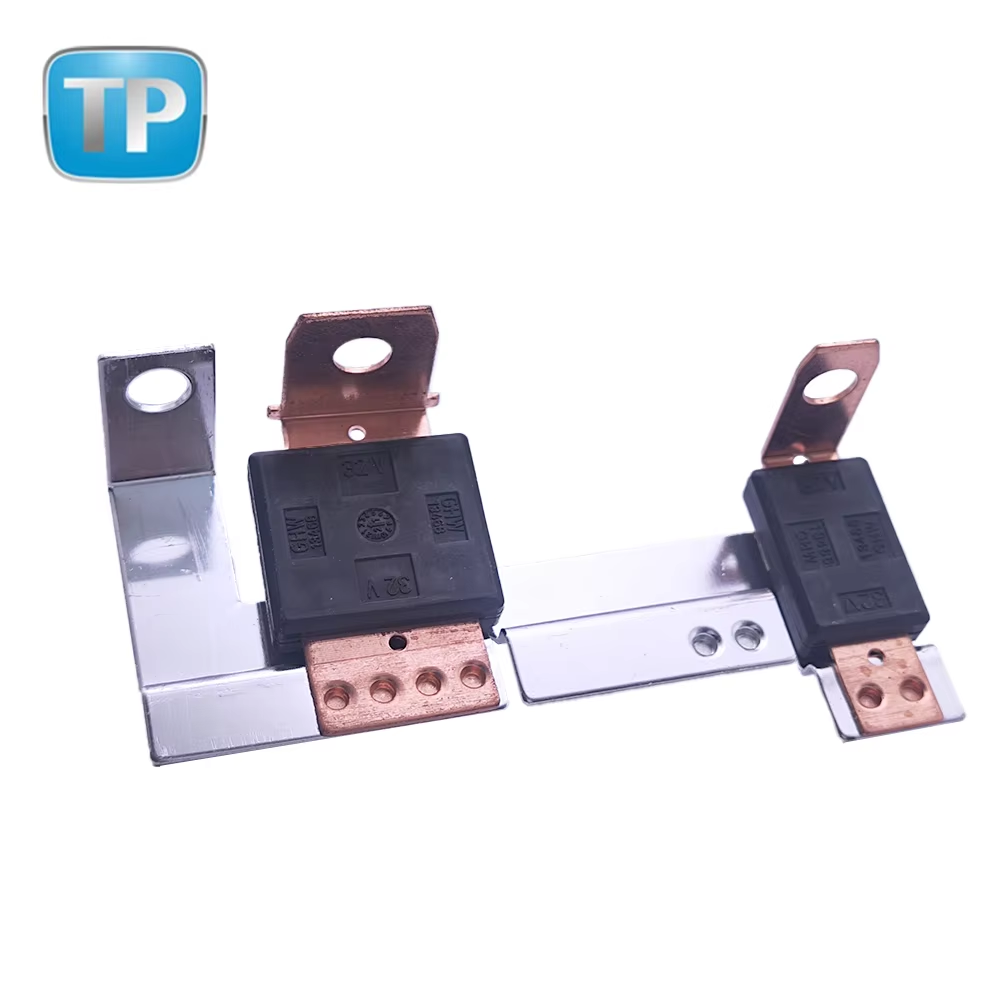
The auto fuse is a component that bridges the gap between everyday vehicle ownership and high-level electrical engineering. For the average car owner, knowing how to check and replace a fuse is a fundamental piece of self-reliance. It empowers them to resolve common issues like a dead power outlet or inoperative interior lights without a trip to the repair shop. This knowledge, combined with a small, inexpensive fuse kit, can solve many minor electrical problems. From an engineering standpoint, the placement of fuses is a study in optimized current paths. High-current fuses for items like the electric cooling fan or the blower motor are placed as close as possible to the battery or a power distribution point to minimize the length of unprotected wiring. This is a key safety principle: the segment of wire between the battery and the first fuse should be as short as possible and be physically protected against short circuits. This segment is, by necessity, unprotected, so its risk is managed by its design and routing. A case study in redundant protection is the circuit for an electric fuel pump. In many modern vehicles, the fuel pump is controlled by a relay. The power to the relay coil (the switch that turns the relay on) is fused, and the high-current power that the relay sends to the fuel pump itself is protected by a separate, higher-amperage fuse. This two-fuse system protects both the control side and the power side of the circuit. Furthermore, the fuel pump relay is often controlled by the engine computer, which may have its own internal diagnostic to shut off the relay if it detects an overcurrent condition on the pump circuit. This layered approach provides robust protection for this safety-critical component. In the world of motorsports, fuses are used strategically. A race car might have a master battery cutoff switch, but it will also have a fuse panel. Teams might use fuses not only for protection but also as a deliberate, easy-to-replace weak link in systems known to be stressed, allowing for a quick reset during a pit stop if a non-critical system fails. The reliability and predictable failure mode of a quality fuse make it suitable for this purpose. For performance and reliability in all your automotive fuse applications, from daily drivers to specialized vehicles, we are here to supply your needs. Please contact us for technical support and to request a quote for your specific requirements.