
 EN
EN
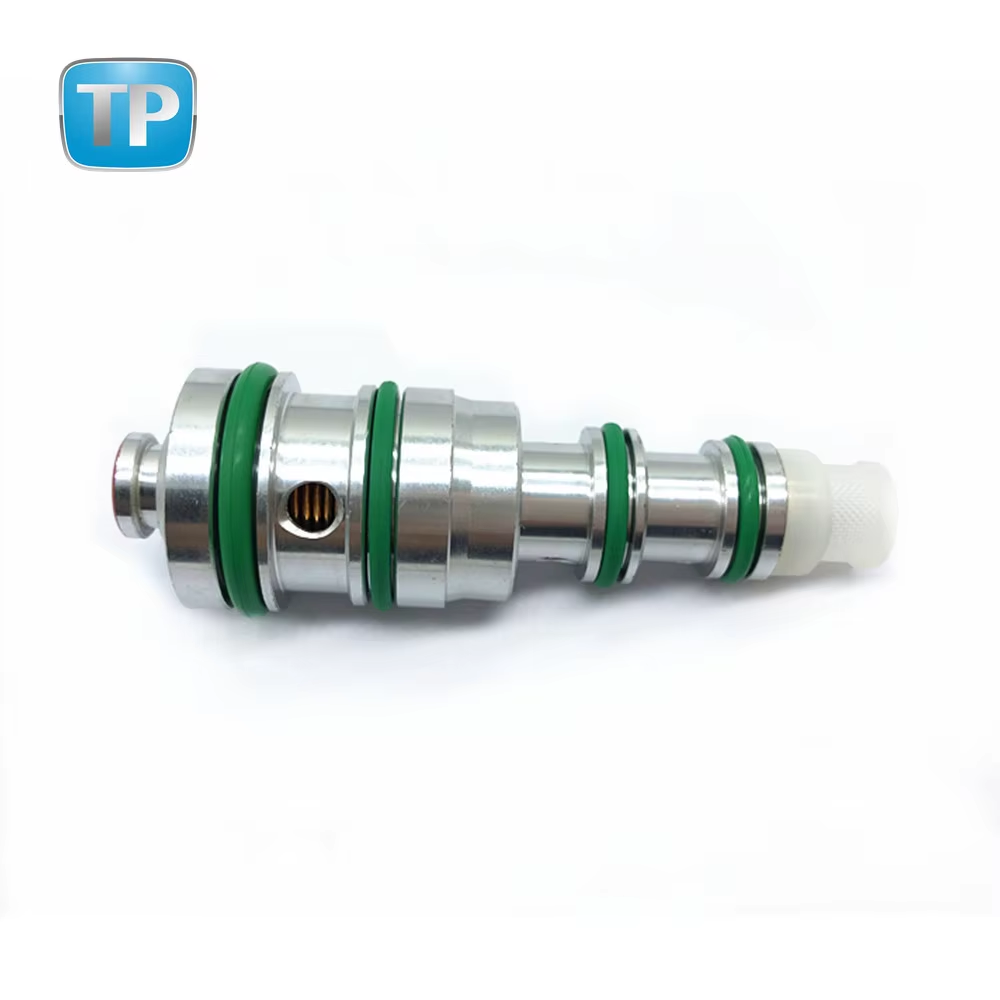
The Role of Control Valves in Automotive AC Systems
Control Valve Function in Regulating Refrigerant Flow
In car air conditioning systems, control valves work like fine-tuned traffic cops for refrigerant flow, adjusting it as needed when the climate inside changes. These valves keep the pressure balanced between the hot and cold parts of the system, which stops the compressor from working too hard and helps get the cabin cooled down quickly. According to some testing done on actual vehicles, modern systems with good calibration can cool things down about 18 percent quicker compared to those old fashioned mechanical setups from back in the day.
Integration With Compressor and HVAC Components
Modern variable displacement compressors work in tandem with control valves through CAN bus communication, synchronizing adjustments across evaporator temperature sensors, cabin airflow regulators, and compressor displacement actuators. Using suction line pressure data, these valves modulate refrigerant flow to prevent liquid slugging—a common failure mode during stop-start driving.
System Suction Pressure Sensing and Valve Performance
Equipped with integrated pressure transducers, control valves monitor suction line conditions over 200 times per second. This allows micro-adjustments to the orifice diameter, keeping system pressures within the ideal 28–35 psi range for R-1234yf refrigerant. Engineers report this responsiveness reduces compressor cycling frequency by up to 40% in urban driving.
Importance of Precise Refrigerant Metering
Accurate refrigerant metering at the milligram level is critical for both passenger comfort and fuel efficiency. Over-metering risks evaporator freeze-up; under-metering leads to compressor overheating. Advanced control valves maintain ±2% flow consistency across extreme temperatures (–30°C to 150°C), ensuring stable humidity removal regardless of ambient conditions.
Thermostatic Expansion Valves vs. Electronic Control Valves
Most car air conditioning systems depend on either thermostatic expansion valves (TEVs) or electronic control valves for proper operation. The TEV works through mechanical components like diaphragms and sensing bulbs that respond to changes in evaporator temperature according to what we saw in the SAE Thermal Management Report last year. On the other hand, modern electronic valves incorporate solenoid actuators which get constant feedback from the vehicle's HVAC control system. This setup allows for much better control over refrigerant flow rates with an accuracy range around plus or minus 2 percent compared to traditional methods.
Bellows Actuated Control Valves: Design and Response Mechanism
Bellows-driven valves utilize hermetically sealed metallic chambers filled with temperature-sensitive gas to regulate refrigerant flow. Their design offers faster response and greater durability, especially in turbocharged vehicles where rapid pressure shifts require sub-5-second stabilization (ASME Fluid Systems Journal 2023).
| Parameter | TEV Response | Bellows Valve Response |
|---|---|---|
| Activation Time | 8–12 seconds | 4–6 seconds |
| Pressure Range | 25–350 psi | 10–400 psi |
| Cycle Durability | 50,000 cycles | 120,000 cycles |
Refrigerant Flow Regulation Using Modulating Valves in Automotive AC
Proportional control valves with PWM (Pulse Width Modulation) drivers are now standard in premium vehicles. These modulating valves adjust their opening 15–20 times per second, maintaining cabin temperatures within ±0.5°C of setpoints while reducing compressor load by 18–22% compared to binary systems (NIST Automotive Engineering 2023).
Fixed Orifice Tube Systems vs. Valve-Controlled Systems: Performance Comparison
| Fixed Orifice | Valve-Controlled | |
|---|---|---|
| Efficiency at 40°C | 63% | 81% |
| Refrigerant Usage | 850g | 620g |
| Cool-Down Time | 8.5 mins | 6.2 mins |
Valve-regulated systems deliver 29% better energy efficiency in stop-start city driving (EPA Mobile A/C Study 2023), thanks to adaptive flow control and reduced refrigerant charge requirements.
Control Strategies for Variable Displacement Compressors
The latest swashplate compressors come equipped with pressure sensors and smart algorithms that work through control valves to manage displacement. According to research from the University of Michigan published last year, these advanced systems cut down on wasted energy when idling by around 37 percent. They also maintain about 95% of the required airflow when accelerating, which is pretty impressive. Plus, these compressors tend to last roughly 30,000 extra hours compared to older models. What makes this technology stand out? The electronic control valves can handle 256 different displacement settings. That's way beyond what mechanical systems could manage with their limited 7 to 10 step options. For hybrid vehicles and electric cars where noise and efficiency matter so much, this level of precision has become absolutely critical in recent years.
Synergy Between Control Valves and Variable Displacement Compressors
AC Compressor Control Valve Function in Variable Stroke Compressors
Variable displacement compressors work by having control valves manage how far the pistons move through adjustments in bypass ports, kind of like when someone tweaks the pressure on a bike pump. These systems can actually control refrigerant volumes pretty accurately, responding within half a second or so according to studies looking at these displacement mechanisms. There are different types of valves too - rotating ones and poppet valves specifically - that let for really細微な調整 (fine tuning), which helps keep things cool while not wasting power. Manufacturers often look at this balance between good cooling and saving energy when designing their systems.
Optimizing Compressor Efficiency Under Varying Load Through Valve Control
During highway acceleration, control valves reduce refrigerant flow by 30–40% to avoid overloading the compressor, while in stop-and-go traffic, they increase flow by 15% to recover cabin temperature quickly. This load-adaptive strategy cuts total AC energy consumption by 18–22% across typical drive cycles.
Case Study: Performance Gains in Modern Sedans With Adaptive Valve Control
A 2024 evaluation of three mid-size sedans revealed adaptive valve systems improved COP (Coefficient of Performance) by 1.2 points over fixed-orifice designs. During testing at 95°F, compressor cycling dropped by 35%, extending service intervals by 25,000 miles due to reduced wear.
Trend: Sensor-Driven Feedback Loops Enhancing Compressor-Valve Coordination
New 5 Hz pressure sensors provide real-time feedback, allowing control valves to anticipate changes from elevation shifts or sudden solar loads. Prototype systems using predictive adjustments achieve 20% faster temperature stabilization, with machine learning further refining valve response patterns over time.
Compatibility and Selection of Control Valves Across Vehicle Models
Matching Control Valves to OEM Specifications and After-Market Requirements
When it comes to picking out control valves, sticking closely to what the original equipment manufacturer specifies is pretty much non-negotiable. Things like flow capacity matter a lot here, usually somewhere between 1.5 and 4.5 pounds per minute for those mid-sized cars on the road today. Pressure tolerances are another key factor that can't be overlooked. For anyone looking at aftermarket options, getting the electrical connectors right along with how everything mounts is crucial work. Most folks check compatibility charts to make sure everything fits properly before installation. Interestingly enough, according to a recent industry poll from last year, around three out of four HVAC techs say they go out of their way to find sealing materials that match what came factory installed. They know this extra step helps keep those pesky leaks at bay when doing retrofit jobs.
Overcoming Compatibility Challenges with Vehicle-Specific ECUs
Modern ECUs expect control valve response times ≤50 ms in 90% of 2022+ models. Aftermarket valves must replicate OEM signal protocols to function correctly. Sensor-integrated smart valves using CAN bus communication help overcome legacy voltage mismatches, reducing calibration errors by 62% in mixed-fleet applications according to HVAC retrofit studies.
Key Considerations for Retrofitting Advanced Control Valves in Older Models
Retrofitting advanced valves into older vehicles requires three key upgrades:
- Reinforced refrigerant lines compatible with R-1234yf’s higher operating pressures (up to 350 psi vs. R-134a’s 250 psi)
- Pulse-width modulation (PWM) adapters for analog ECUs
- Verification of thermal expansion compatibility between new valves and original aluminum housings
Ensuring System Reliability Through Proper Valve-Compressor Pairing
Control valves must accommodate compressor displacement variations (±15% in variable designs) while maintaining evaporator superheat between 5–8°F. Optimal pairing is achieved by aligning compressor RPM ranges (typically 800–3,500) with valve flow curves—a practice shown to reduce clutch cycling frequency by 40% in field tests.
Future Innovations in Automotive Control Valve Technology
Smart Sensors and Digital Control Mechanisms in Next-Gen AC Systems
The latest AC systems now feature control valves connected to the Internet of Things, complete with built-in pressure and temperature sensors. These intelligent valves actually use information about whether people are present in the space plus current weather conditions outside to tweak how much refrigerant flows through them on the fly. A report released in 2024 about automotive innovations points out that these kinds of systems cut down on how often compressors need to start and stop by around 22 percent. That makes a big difference for energy savings, particularly when we're talking about electric cars where every bit of power counts.
Electrification's Impact on Compressor and Control Valve Design
EV powertrains demand high-voltage-compatible control valves with ultra-fast response times to manage battery thermal loads. New valve designs incorporate electromagnetic shielding and advanced materials like ceramic-coated aluminum, achieving actuation speeds as fast as 0.05 seconds—critical for maintaining cabin comfort during rapid acceleration events.
Sustainability Trends: Low-GWP Refrigerants and Adaptive Valve Materials
Switching over to those low-GWP refrigerants such as R-1234yf means manufacturers need valves that can stand up to corrosion. Many companies are now working on seals made from fluoropolymers because these materials handle the acidic stuff that comes out when new coolants break down. There's also something interesting happening with shape memory alloys for valves right now. These smart materials remember their original shape and adjust themselves automatically. Early tests show they cut refrigerant leaks down by about 37 percent even when temperatures swing wildly back and forth. The research was published in some material science journals last year, though specifics about which ones aren't always clear.
FAQs
What is the primary function of control valves in automotive AC systems?
Control valves in automotive AC systems regulate refrigerant flow to maintain pressure balance and optimize compressor operation for efficient cooling.
How do control valves enhance energy efficiency?
Control valves adjust refrigerant flow based on driving conditions, reducing compressor workload and improving energy efficiency by up to 29% in stop-start driving.
What are the advantages of electronic control valves over thermostatic expansion valves?
Electronic control valves offer better precision in refrigerant flow regulation, resulting in improved system accuracy and efficiency compared to traditional thermostatic expansion valves.
How do modern control valves contribute to system reliability in different vehicle models?
Modern control valves align with OEM specifications, ensuring proper function across various models. They overcome compatibility challenges with advanced ECUs, enhancing reliability.
What future trends are impacting control valve technology?
Future trends include smart sensors, digital control mechanisms, and adaptive valve materials, which optimize refrigerant flow and improve sustainability in automotive AC systems.
Table of Contents
- The Role of Control Valves in Automotive AC Systems
- Thermostatic Expansion Valves vs. Electronic Control Valves
- Bellows Actuated Control Valves: Design and Response Mechanism
- Refrigerant Flow Regulation Using Modulating Valves in Automotive AC
- Fixed Orifice Tube Systems vs. Valve-Controlled Systems: Performance Comparison
- Control Strategies for Variable Displacement Compressors
- Synergy Between Control Valves and Variable Displacement Compressors
- Compatibility and Selection of Control Valves Across Vehicle Models
- Future Innovations in Automotive Control Valve Technology
-
FAQs
- What is the primary function of control valves in automotive AC systems?
- How do control valves enhance energy efficiency?
- What are the advantages of electronic control valves over thermostatic expansion valves?
- How do modern control valves contribute to system reliability in different vehicle models?
- What future trends are impacting control valve technology?