
 EN
EN
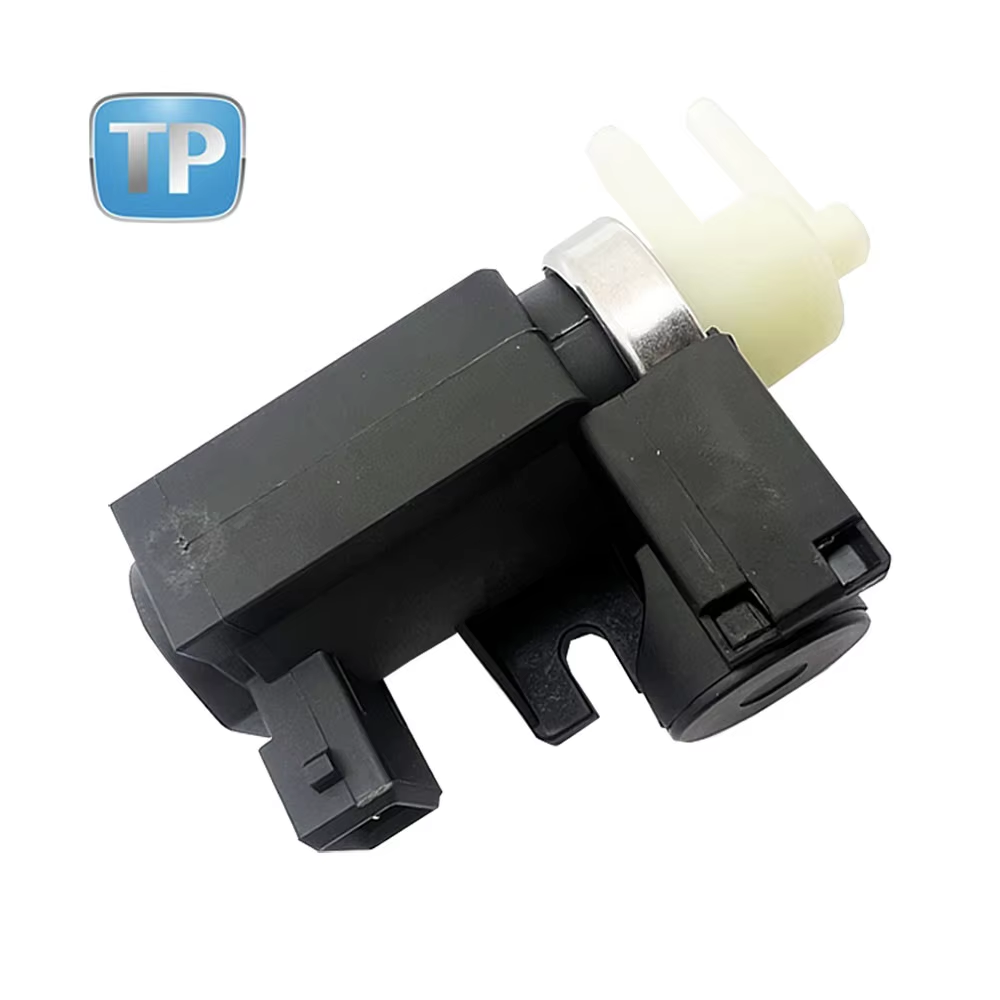
Understanding the Role of Control Valves in Engine Idle Stability
The Function of the Idle Air Control Valve in Maintaining Stable Engine Idling
The idle air control (IAC) valve basically keeps the engine running at steady RPM when the car is stopped by controlling how much air gets around the throttle plate. Sensors tell the system when the engine is idling, then the IAC changes how much air comes into the engine to make up for extra strain from things like the AC compressor or power steering pump. These days most vehicles can hold their idle speed pretty close to where it should be, usually somewhere between 600 and 900 RPM, plus or minus about 5 RPM. This helps everything run smoothly without stalling out because the computer constantly tweaks the airflow as needed.
How the Idle Speed Control (ISC) Valve Interacts With Engine Load and Temperature
The ISC valve reacts to three main factors - how hot the engine is running, what kind of electrical demand there is, and where it sits in terms of elevation. When starting up cold, these valves tend to open up quite a bit which helps boost those RPM numbers and get things warmed up faster. They also handle situations where big power hungry gadgets kick in by adjusting for the extra voltage needed. Plus they make corrections based on thinner air when driving up mountains or hills. All this instant reaction time keeps those RPMs from dropping unexpectedly when shifting gears or dealing with sudden changes in workload, so the engine stays running smoothly no matter what kind of conditions it faces out on the road.
Integration With Electronic Control Units (ECUs) for Adaptive Idle Management
In modern ISC systems, there is constant back and forth communication happening between the valve itself and what's called the Electronic Control Unit or ECU for short. The ECU gets information from quite a few different sensors actually, maybe around twelve total. These include things like where the throttle is positioned, how hot the coolant is getting, and even measuring oxygen levels in the exhaust. Based on all this data, the ECU figures out what the best airflow should be, doing these calculations about 100 times every single second. What makes this whole setup so good is that it can basically calibrate itself without any outside help. As parts start to wear down over time, the system just adjusts accordingly. Because of this feature, most valves maintain their proper idle performance right through their entire life cycle which typically lasts well beyond 100 thousand operating cycles before needing replacement.
Types of Control Valves Used in Automotive Idle Speed Systems
Electronic vs. Mechanical ISC Valves: Differences in Design and Application
These days, most cars come equipped with electronic idle speed control (ISC) valves that work alongside their engine control units, taking over from those old fashioned mechanical vacuum systems we used to see. The newer electric versions actually use these little stepper motors to tweak the air flow pretty quickly, about half a second response time or so, which means they can react almost immediately when the throttle position sensors pick up any changes. Mechanical ones are different though, they still depend on those wax pellets or vacuum diaphragms inside them. But honestly, these just don't cut it anymore for modern engines that need to start and stop constantly, especially with all the fuel efficiency regulations pushing manufacturers to develop better technologies for reducing emissions and improving performance.
Common Control Valve Types and Their Flow Modulation Precision
Three main types dominate idle speed regulation:
| Valve Type | Actuation Method | Flow Precision (± cc/min) | Typical Application |
|---|---|---|---|
| Pintle Valve | Stepper Motor | 15-20 | Turbocharged Engines |
| Rotary Valve | Solenoid | 25-30 | Hybrid Vehicle Ancillaries |
| Linear Valve | DC Motor & Worm Gear | 10-15 | High-Performance Engines |
Pintle valves are widely used due to their 93% repeatability in airflow adjustments during rapid RPM fluctuations, making them ideal for demanding applications.
Valve Turndown Ratio and Performance in Low-Flow, High-Precision Conditions
The turndown ratio basically means how much flow can be controlled from max to min, and it really matters for keeping engines stable when idling. Top quality ISC valves can hit about 20 to 1 ratios, which lets them handle flows as small as 200 cubic centimeters per minute even when the throttle is only open around 1.5%. Cheaper generic valves usually max out at around 10 to 1 ratios though. These budget options tend to struggle once engine speeds drop below 600 RPM. When things like air conditioning compressors kick in, drivers might notice their idle speeds bouncing around anywhere from 8% to 12%. That kind of fluctuation makes for a rough ride and unhappy customers.
Key Selection Criteria for Optimal Control Valve Performance
Matching Control Valves to Vehicle Make, Model, Year, and Engine Code
Getting the right control valve means matching it precisely to the car's make, model, production year, and engine code. Take this for instance: a valve made for a 2022 Ford EcoBoost just isn't going to work well in a 2023 Toyota hybrid because these engines have different air flow needs and computer settings. Car makers actually design these valves specifically for certain engine codes like GM's L84 or Honda's K20C1 so they'll fit the factory idle settings properly. According to some recent research from Automotive Diagnostics Journal last year, around one third of all problems with rough idling come down to installing the wrong valve. That's why checking compatibility through official manufacturer databases is such an important step before any installation takes place.
Ensuring Part Number Accuracy for Idle Speed Regulator Replacement
Small changes in part numbers often cause big problems down the road. Take the Mazda FD3S-13-170A IAC valve compared to the FD3S-13-170B model. These two look similar at first glance but actually differ in important ways like how finely the stepper motor adjusts and the shape of the gasket that seals against leaks. Mechanics waste hours troubleshooting when they install the wrong one. Before ordering replacement parts, double check specifications using official manufacturer websites or detailed valve charts that account for local emission regulations. Getting this right means avoiding headaches later when engines run rough or fail inspections unexpectedly.
Compatibility Considerations Across Vehicle Platforms and Engine Types
Getting parts to work together isn't just about finding the right model number. For hybrids, the ISC valves need to react much quicker than standard ones, ideally under 150 milliseconds, because these cars constantly shut off and restart the engine. Diesel engines tell a different story though. They really need valves that can handle all sorts of corrosive stuff coming through from their EGR systems. Generic valves just don't cut it when it comes to meeting these specific requirements. That's why manufacturers keep developing valves tailored specifically for each vehicle platform if they want something that will last without constant breakdowns down the road.
Impact of Correct Control Valve Selection on Engine Efficiency and Stability
When control valves are properly matched, they cut down on idle speed fluctuations anywhere from 40 to 60 percent when compared with off-the-shelf options according to an SAE Technical Report from 2022. The improved accuracy makes cars run better while idling, saving fuel in those situations where vehicles just sit there waiting. Plus, it actually protects catalytic converters since it stops those weird air-fuel mixture problems that can damage them over time. For turbocharged engines specifically, getting the valve calibration right means keeping boost pressure steady even at lower RPM ranges. This stability really makes a difference in how smoothly these engines perform overall, especially noticeable during everyday driving conditions.
Consequences of Incorrect Control Valve Selection and Installation
Engine performance issues caused by mismatched or faulty ISC valves
When the wrong idle speed control (ISC) valve is installed, it throws off the engine's ability to keep things running smoothly around that sweet spot of 600 to 1000 RPM when parked. What happens next? Well, drivers usually notice their cars shaking while stopped at red lights, sometimes even stalling completely, or experiencing those annoying sudden RPM spikes that make the whole vehicle vibrate. A recent look at data from SAE International suggests something interesting about this problem area. Their findings indicate roughly 58 percent of all these strange idle issues come down to valves that just aren't calibrated right for proper airflow management. And then there's another issue altogether with certain materials used in manufacturing these valves. Some simply can't handle the heat inside modern engines over time, which causes them to break down faster than expected. This leads to pesky vacuum leaks and throws off the delicate balance between air and fuel mixture, ultimately affecting performance and fuel efficiency.
Risks of misidentifying similar-looking control valves during replacement
Aftermarket control valves often look almost exactly alike on the outside while hiding significant differences inside. When technicians swap out GEN2 and GEN3 ISC valves without checking those part numbers first, they might end up with completely wrong specs. The problems come down to things like stepper motor resolution differences between 200 and 400 steps per revolution, voltage needs that range from 5V PWM to 12V DC power, plus variations in how tight the seat diameters are manufactured at either ±0.05mm or ±0.1mm tolerance levels. Getting any of these mixed up usually means tearing out the whole throttle body again, which blows the repair budget through the roof sometimes tripling or even quintupling what it should cost.
Long-term system damage due to improper idle air control (IAC) valve use
When incompatible IAC valves get used repeatedly, the ECU ends up making all sorts of fuel trim corrections just to keep things running. This puts serious strain on the catalytic converter, sometimes causing it to degrade about 40% faster than normal. Another problem comes when these valves aren't seated properly. They let dirty air sneak into the engine's intake system, which leads to carbon deposits building up over time. After around 15k miles, this can actually cut down cylinder compression by somewhere between 12 and 15%. Put all these issues together and mechanics typically charge about 30% more for repairs compared to what they'd spend fixing engines where the right valves were installed from day one.
Durability and Reliability: OEM vs. Aftermarket Control Valves
Real-world performance and lifespan of ISC valves under varying conditions
Original Equipment Manufacturer idle speed control valves just hold up better when things get really hot or freezing cold. Tests have shown these valves keep air flowing consistently even when temps swing between minus 40 degrees Fahrenheit and all the way up to 300 degrees F. They beat out those cheaper aftermarket options by about 23 percent when it comes to staying stable through temperature changes. According to that big report on materials compatibility released last year, genuine OEM valves can take nearly three times as many heat cycles before starting to show any wear during city driving simulations. Meanwhile, those aftermarket ones tend to lose their seals much quicker too around normal stop-and-go traffic where temperatures constantly fluctuate, degrading about 34 percent faster than OEM counterparts.
OEM vs. aftermarket control valves: Trade-offs in cost, precision, and longevity
Vehicle operators face clear trade-offs when choosing between OEM and aftermarket ISC valves:
| Factor | OEM Valves | Aftermarket Valves |
|---|---|---|
| Precision Consistency | ±2% airflow variance | ±5-8% variance |
| Service Intervals | 80,000-100,000 miles | 40,000-60,000 miles |
| Cost Differential | Benchmark pricing | 25-60% lower initial cost |
While aftermarket options offer significant upfront savings, their shorter service life often eliminates any cost advantage after two replacement cycles. OEM components ensure exact dimensional fit, eliminating 19% of idle-related fault codes linked to aftermarket fitment issues during EPA emissions testing.
Frequently Asked Questions
What is the primary function of an idle air control (IAC) valve?
An IAC valve helps maintain engine idle stability by controlling the airflow around the throttle plate, compensating for engine load changes to prevent stalling.
How does engine temperature affect idle speed control (ISC) valve performance?
ISC valves adjust their airflow based on engine temperature, increasing RPMs to warm up the engine quickly from a cold start.
What is the difference between electronic and mechanical ISC valves?
Electronic ISC valves use stepper motors for quick airflow adjustments, while mechanical ones rely on vacuum systems, making electronic versions more suitable for modern engines.
Why is it important to match control valves to specific vehicle models?
Matching control valves ensures compatibility with the vehicle's engine code and settings, which is crucial for maintaining optimal engine performance and reducing idle issues.
What are the potential consequences of using faulty or mismatched ISC valves?
Faulty ISC valves can lead to engine performance issues such as rough idling, stalling, and increased fuel consumption, damaging engine components over time.
Table of Contents
- Understanding the Role of Control Valves in Engine Idle Stability
- Types of Control Valves Used in Automotive Idle Speed Systems
- Key Selection Criteria for Optimal Control Valve Performance
- Consequences of Incorrect Control Valve Selection and Installation
-
Durability and Reliability: OEM vs. Aftermarket Control Valves
- Real-world performance and lifespan of ISC valves under varying conditions
- OEM vs. aftermarket control valves: Trade-offs in cost, precision, and longevity
- Frequently Asked Questions
- What is the primary function of an idle air control (IAC) valve?
- How does engine temperature affect idle speed control (ISC) valve performance?
- What is the difference between electronic and mechanical ISC valves?
- Why is it important to match control valves to specific vehicle models?
- What are the potential consequences of using faulty or mismatched ISC valves?