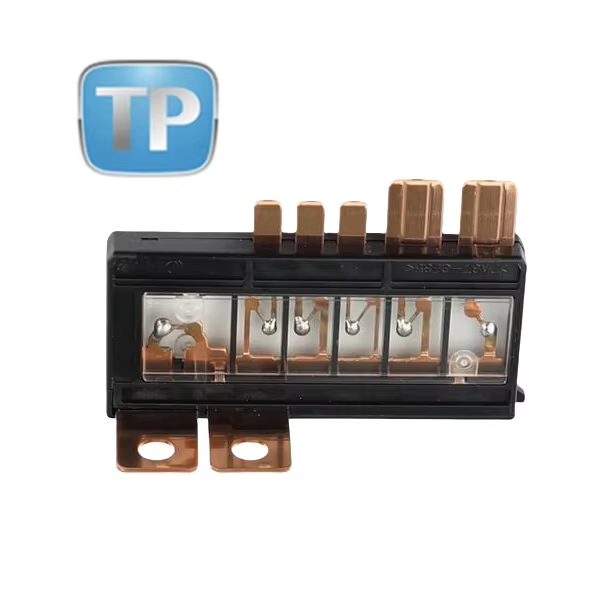
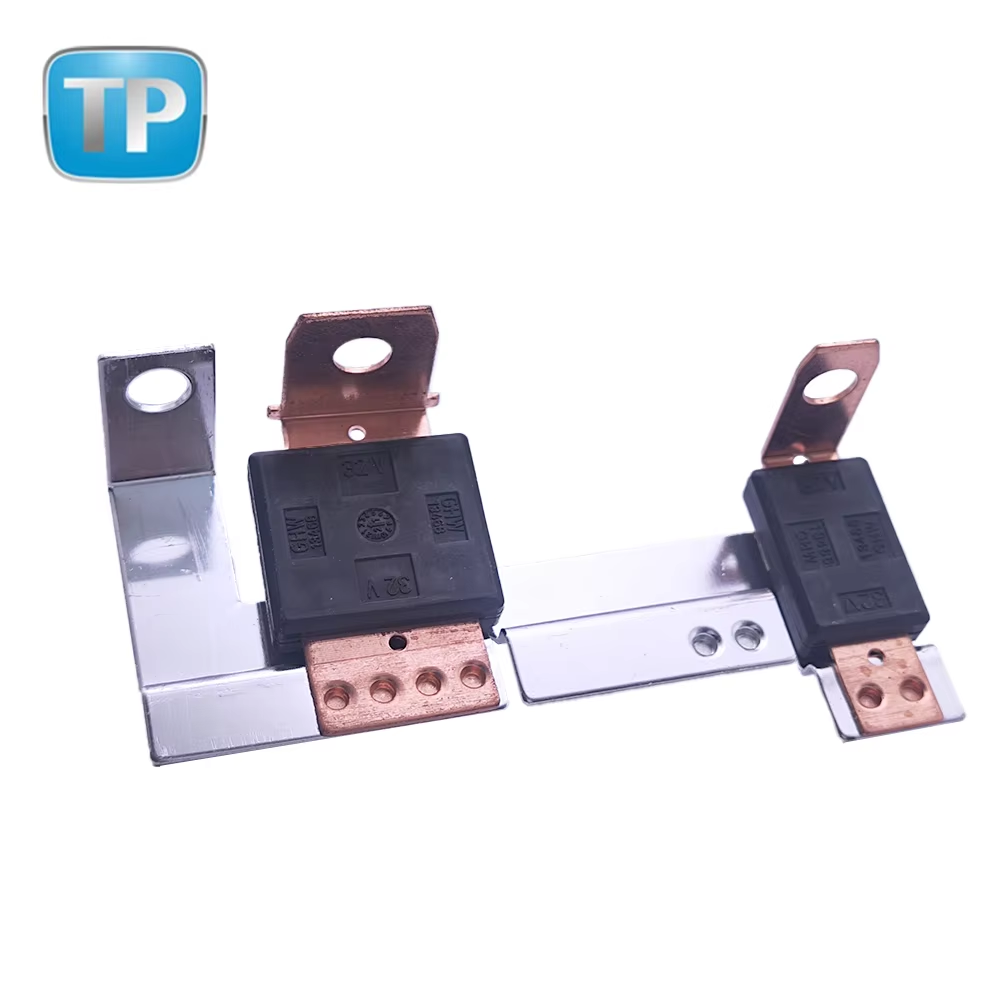
Understanding the auto fuse requires an appreciation for its role in system-level vehicle design. Engineers meticulously calculate the expected current draw for every electrical circuit—from the tiny current for an indicator LED to the large current for an electric power steering motor. A fuse is then selected with a rating that is slightly above the normal operating current but well below the current-carrying capacity of the wire used in that circuit. This ensures the fuse will blow before the wiring overheats, adhering to the principle of "protected conductor." The National Electrical Code mandates this in building wiring, and the same logical principle is applied in automotive design. The consequences of neglecting this are severe. A common example of aftermarket danger is when individuals upgrade their vehicle's headlights to more powerful units without upgrading the wiring harness or fuse. The original circuit, designed for a 55-watt halogen bulb, might be protected by a 10-amp fuse. If the owner installs a 100-watt bulb, the current draw nearly doubles. The wire and the fuse will now be operating near their maximum limits. The fuse may not blow, but the wiring can overheat over time, degrading the insulation and creating a short circuit risk. The correct practice is to install a relay-driven harness with a heavier gauge wire and an appropriately sized fuse connected directly to the battery. This showcases how fuses are part of a larger system and must be matched to the circuit they are protecting. Another critical scenario involves the vehicle's charging system. The main fuse or fusible link between the alternator and the battery protects the circuit from a fault in the alternator's internal rectifier or voltage regulator. If the alternator were to output an uncontrolled high voltage or develop an internal short, this main fuse would blow, disconnecting the alternator from the battery and preventing damage to the battery and all other electronic modules connected to the electrical system. This single fuse can prevent thousands of dollars in damage. The quality of the fuse is therefore a direct contributor to vehicle safety and reliability. We supply a wide array of automotive fuses designed to meet or exceed OEM specifications. For specific technical data and to inquire about availability, please reach out to our customer service department.