
 EN
EN
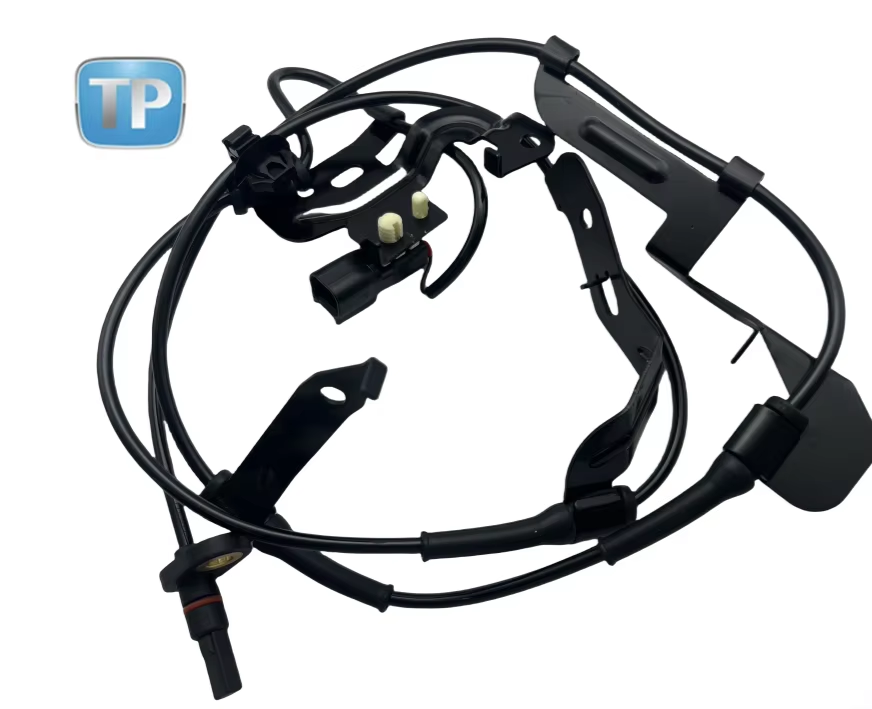
Identifying Vehicle Make, Model, and Engine Type Compatibility
Start by verifying your vehicle’s specifications—55% of diagnostic errors stem from incompatible tools or sensors. A 2024 industry analysis highlights that EVs and hybrids require sensors with specialized protocols, unlike traditional combustion engines. Cross-check your vehicle’s OBD-II port type and engine configuration to avoid mismatches.
Assessing Common Vehicle Issues Requiring Auto Sensor Diagnostics
Persistent check engine lights, erratic transmission behavior, or emission failures often trace back to faulty auto sensors. For example, 63% of powertrain-related diagnostic trouble codes (DTCs) involve oxygen or mass airflow sensors. Prioritize sensors that monitor your vehicle’s most frequent failure points.
Matching Auto Sensor Types to Specific System Needs
- Engine Management: Use MAF or MAP sensors for air-fuel ratio optimization
- Transmission: Speed sensors prevent gear-shifting irregularities
- Emissions: O2 sensors ensure catalytic converter efficiency
Considering User Expertise When Selecting Sensor Complexity
Entry-level DIY tools work for basic code reading, while professional-grade sensors with live data streaming suit technicians. A 2023 survey found 40% of users overestimate their diagnostic skills, leading to incorrect interpretations. Training guidelines emphasize choosing tools aligned with your technical proficiency to reduce errors.
Ensuring OBD-II Compatibility for Reliable Auto Sensor Integration
Why OBD-II Standards Are Essential for Modern Vehicle Diagnostics
OBD-II, short for On Board Diagnostics Second Generation, became mandatory for cars sold in America back in 1996 and later spread to European markets around 2001. The system basically creates a common language between car sensors and those fancy code readers mechanics use. Most cars made after 1996 work with these systems, according to some research from Ponemon Institute last year. What makes this so useful is that technicians don't have to learn different ways to read problems on every brand they encounter. Studies suggest mechanics make about half as many mistakes diagnosing issues now versus before OBD-II came along. Take something simple like a misfire detection sensor. Whether it's sitting under the hood of a big pickup or inside a small city car, the way it reports problems looks pretty much the same to whoever reads it.
Verifying Auto Sensor Compatibility With OBD-II Scan Tools
Before purchasing auto sensors, confirm their compatibility with your OBD-II scan tool using these criteria:
| Compatibility Factor | Ideal Specification | Potential Issue |
|---|---|---|
| Protocol Support | CAN (ISO 15765) or ISO 14230 | Brand-specific protocols (e.g., SWCAN for GM) |
| Connector Type | 16-pin DLC (SAE J1962) | Adapters required for older pins |
| Data Refresh Rate | ≥10 Hz for real-time diagnostics | Delayed sensor readings |
Leading 2024 industry research shows 92% of diagnostic inaccuracies stem from protocol mismatches between sensors and scanners (ANCEL, 2024). Always check your vehicle’s OBD-II compliance sticker under the hood or driver-side door frame.
Navigating Differences in OBD-II Protocols Across Vehicle Brands
While OBD-II is standardized, automakers implement unique variants:
- Asian manufacturers: Prioritize ISO 14230 (KWP2000) for throttle position sensors
- European brands: Use ISO 15765 (CAN) for NOx and oxygen sensor diagnostics
- Domestic trucks: Often require J1850 VPW for transmission pressure sensors
A 2023 study found mechanics using brand-appropriate protocols reduced false DTC interpretations by 61% (Ponemon Institute). Cross-reference your vehicle’s OBD-II documentation before sensor integration.
Universal vs. Brand-Specific Auto Sensors: Performance and Reliability Trade-offs
| Feature | Universal Sensors | Brand-Specific Sensors |
|---|---|---|
| Cost | $20–$80 | $75–$300 |
| Accuracy | ±8% variance in live data | ±2% variance (SAE J3087-2023) |
| Compatibility | 67% of OBD-II vehicles | 99% with target brand/models |
Independent repair shops report 68% faster installations with universal sensors but 33% higher long-term failure rates (SAE International, 2023). For mission-critical systems like catalytic converter monitoring, opt for OEM-grade sensors despite the cost premium.
Selecting the Right Diagnostic Scanner Based on Functionality and Sensor Support
Essential Scanner Features: Code Reading, Reset Functions, and Live Data From Auto Sensors
When it comes to modern diagnostic equipment, finding the right mix between basic functions and fancy extras matters a lot. The essentials are pretty straightforward really – any decent scanner needs to pull up engine trouble codes, turn off those annoying warning lights, and show what's going on with sensors while the car runs. We're talking things like oxygen sensor readings or how hot the coolant actually is. According to various studies across the industry, when mechanics can see live sensor data from their tools, they miss diagnosing problems about 40 percent less often because these tools catch those pesky intermittent faults that come and go. Mechanics would do well to look for scanners that let them interact directly with parts too. Testing fuel injectors or ignition coils becomes much easier when the tool allows two-way communication during actual repair work.
Ensuring Scanner Compatibility With Vehicle Make, Model, and Year
According to a study by the Ponemon Institute released in 2023, around a quarter of all diagnostic mistakes happen because the scanning tools don't match what the car needs. Before buying any diagnostic equipment, it's really important to check if it works with your specific make and model through the manufacturer's compatibility list online. Take note that cars made in Europe typically use something called ISO 15765-4 CAN protocols for their systems, whereas many Asian cars built before 2008 might still rely on older J1850 VPW technology. Don't forget to compare the OBD-II pins on the scanner itself against the actual ports found under the dashboard of whatever vehicle needs diagnosis. Getting these details right prevents those frustrating situations where the scanner just won't talk to the car at all.
Entry-Level vs. Professional-Grade Scanners for Auto Sensor Integration
| Feature | Entry-Level Scanners | Professional Scanners |
|---|---|---|
| System Coverage | Engine/emissions only | ABS, airbags, transmission |
| Live Data Channels | 10-20 parameters | 100+ parameters |
| Special Functions | Basic DTC clearing | Injector coding, DPF regen |
| Update Model | Annual paid upgrades | Monthly wireless updates |
Shops handling hybrid/electric vehicles require professional tools with high-voltage system diagnostics and battery management support. Entry-level devices suffice for basic code reading but lack the granularity needed for complex auto sensor analysis in modern drivetrains.
Leveraging Live Data and Real-Time Auto Sensor Monitoring for Accurate Diagnosis
How Real-Time Sensor Data Improves Diagnostic Accuracy
When it comes to car diagnostics, live sensor monitoring cuts down on all that second guessing because it actually catches those fleeting issues that regular scan tools just overlook. According to some research published by SAE International back in 2023, technicians who had access to real-time data were able to figure out what was going on with those pesky intermittent check engine lights about 47 percent quicker compared to folks stuck using old school static scans. These newer diagnostic systems are constantly watching things like how the oxygen sensors fluctuate their voltage readings every single 0.01 seconds, which helps spot patterns that would otherwise go unnoticed during routine checks.
- Lean/rich fuel mixture oscillations
- Catalyst efficiency degradation trends
- Electrical interference causing sensor noise
Advanced diagnostic algorithms now cross-reference live auto sensor data with OEM thresholds to prioritize critical issues.
Tools That Support Continuous Auto Sensor Data Monitoring
Professional-grade scan tools enable simultaneous tracking of 15+ auto sensor parameters through features like:
| Capability | Entry-Level Tools | Professional Tools |
|---|---|---|
| Data Channels | 4-6 PID support | Unlimited PIDs via CAN bus |
| Refresh Rate | 1-2 readings/sec | 50-100 readings/sec |
| Data Logging | Manual snapshots | Continuous cloud recording |
Bluetooth OBD-II adapters now enable mechanics to stream live throttle position sensor data directly to tablets while road-testing vehicles.
Case Study: Diagnosing Intermittent Engine Faults Using Live Auto Sensor Streams
According to a repair shop survey from 2022, mechanics were able to find what was causing engine misfires in 83% of cases within just 10 minutes when they used live data monitoring. That's way better than the 32% success rate they got when relying only on diagnostic codes. One recent case stands out where a car wouldn't start at all. Here's what happened during those critical moments: From 0 to 5 seconds everything looked normal with the crankshaft sensor sending regular RPM signals. But then at around 6 seconds something went wrong the camshaft sensor stopped working properly right when RPM hit 287. Just a minute later, fuel pressure suddenly dropped off completely. These exact time stamps helped point directly to a bad crankshaft position sensor that was messing up the computer's timing calculations. Something like this can save hours of frustrating trial and error for any mechanic trying to figure out why an engine won't run.
Trend: Wireless Auto Sensors and Cloud-Based Diagnostic Data Logging
OEMs are adopting telematics modules that transmit auto sensor data directly to manufacturer portals. Key 2024 developments include:
- 5G-enabled wheel speed sensors providing ABS health reports
- Cloud dashboards comparing individual vehicle sensor data against fleet averages
- AI systems predicting MAF sensor failures 1,200 miles before malfunction
Dealerships using these wireless systems report 29% fewer comebacks for recurring drivability issues.
Interpreting Auto Sensor Output and Diagnostic Trouble Codes Correctly
Understanding diagnostic trouble codes (DTCs) from auto sensor data
Modern vehicles generate standardized Diagnostic Trouble Codes (DTCs) when auto sensors detect anomalies, providing clues about mechanical, electrical, or emissions issues. These alphanumeric codes follow a logical structure:
- P0xxx: Generic powertrain issues (e.g., P0171 indicates a lean air-fuel mixture)
- B/C/U codes: Body, chassis, or network communication faults
A 2023 SAE International study found mechanics who cross-reference live auto sensor data with DTCs reduce misdiagnoses by 42%. Always verify codes using a bidirectional scanner before replacing components.
Best practices for interpreting sensor readings to identify root causes
- Prioritize freeze-frame data: Capture sensor values at the time the DTC was stored
- Compare readings across sensors: Mismatched oxygen sensor voltages often expose catalytic converter problems
- Use waveform analysis: Test throttle position sensors or crankshaft sensors for intermittent faults
| Data Type | Diagnostic Value | Tools Required |
|---|---|---|
| Live O2 sensor voltages | Identify rich/lean conditions | Multimeter or scan tool |
| MAP sensor kPa readings | Detect vacuum leaks | Graph-capable scanner |
Common misinterpretations of auto sensor outputs and how to avoid them
- False positives: Dirty MAF sensors skew airflow calculations (clean first, don’t replace)
- Circular logic errors: Assuming a faulty EGR valve when codes point to clogged passages
-
Ignoring environmental factors: Altitude changes affect barometric pressure sensor baselines
Technicians using manufacturer-specific troubleshooting trees resolve these issues 68% faster than those relying solely on generic code definitions (ASE 2022).
Frequently Asked Questions
How can I ensure the compatibility of auto sensors with my vehicle?
Check your vehicle’s specific OBD-II port type and engine configuration, and refer to the manufacturer’s documentation to ensure compatibility with new auto sensors.
What are common issues that auto sensors help diagnose?
Auto sensors help diagnose issues such as persistent check engine lights, erratic transmission behavior, and emission failures.
Why is OBD-II compatibility important for auto sensor integration?
OBD-II creates a common language between car sensors and code readers, reducing diagnostic errors and ensuring consistent readings across different vehicle brands.
What are the benefits of using live data for car diagnosis?
Live data monitoring helps catch fleeting issues and intermittent faults that static scans might overlook, improving diagnostic accuracy by up to 47%.
Table of Contents
- Ensuring OBD-II Compatibility for Reliable Auto Sensor Integration
- Selecting the Right Diagnostic Scanner Based on Functionality and Sensor Support
- Leveraging Live Data and Real-Time Auto Sensor Monitoring for Accurate Diagnosis
- Tools That Support Continuous Auto Sensor Data Monitoring
- Case Study: Diagnosing Intermittent Engine Faults Using Live Auto Sensor Streams
- Trend: Wireless Auto Sensors and Cloud-Based Diagnostic Data Logging
- Interpreting Auto Sensor Output and Diagnostic Trouble Codes Correctly
- Frequently Asked Questions