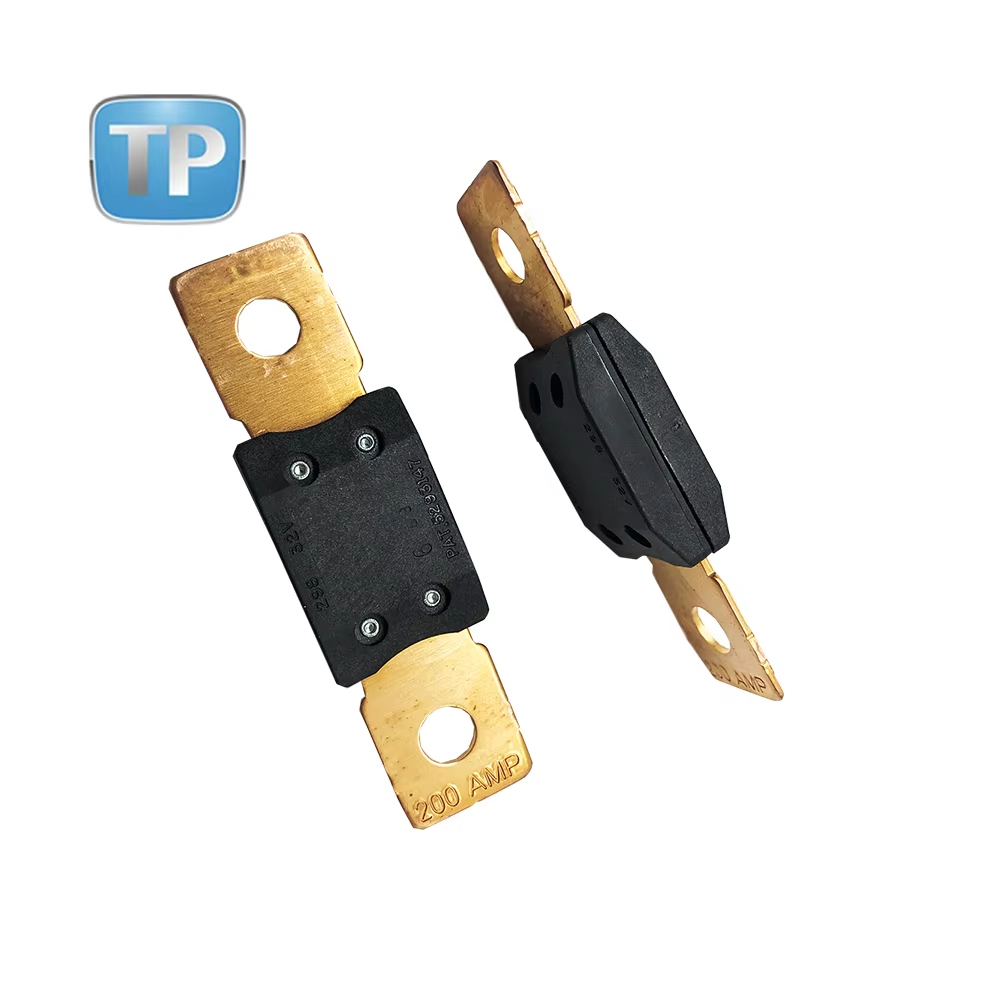
In the domain of automotive maintenance and repair, the auto fuse stands as a primary diagnostic checkpoint. Its simplicity belies its importance. When an electrical accessory or system in a vehicle ceases to function, the initial troubleshooting step is almost universally to inspect the relevant fuse. This process involves locating the vehicle's fuse panels, consulting the diagram (usually on the panel lid or in the owner's manual) to identify the correct fuse for the malfunctioning system, and then physically inspecting that fuse. For blade fuses, this can often be done visually by looking for a broken metal strip inside the transparent plastic housing. A digital multimeter can be used to check for continuity, providing a more definitive diagnosis. The act of replacing a fuse is simple, but interpreting why it blew is the key to a lasting repair. A single, isolated fuse failure might be due to a random power surge or a transient fault. However, a fuse that blows repeatedly immediately after replacement is a clear indicator of a persistent fault within the circuit. This could be a short to ground in the wiring harness, a failed component (like a motor or solenoid that has shorted windings), or a problem with a control module. For instance, if the fuse for the brake lights keeps blowing, the technician would investigate the brake light switch, the wiring running to the rear of the vehicle, and the brake light sockets themselves for signs of a short circuit. The fuse, in this case, guides the mechanic directly to the problematic circuit. Furthermore, fuses are integral to vehicle customization and restoration. When restoring a classic car, the entire wiring harness is often replaced, and a modern fuse box is installed to provide reliable protection that the original vehicle may have lacked. When installing aftermarket equipment like a high-wattage sound system, off-road lighting, or a winch, the installation must include an appropriately rated fuse placed as close to the battery's positive terminal as possible. This fuse protects the new power cable from a short circuit along its entire length, which could otherwise lead to a battery fire. The correct selection of fuse amperage for such additions is calculated based on the maximum current draw of the device and the current-carrying capacity of the wire. To discuss your specific requirements for automotive fuses and to receive expert advice on application and selection, please contact our technical department for personalized assistance.