
 EN
EN
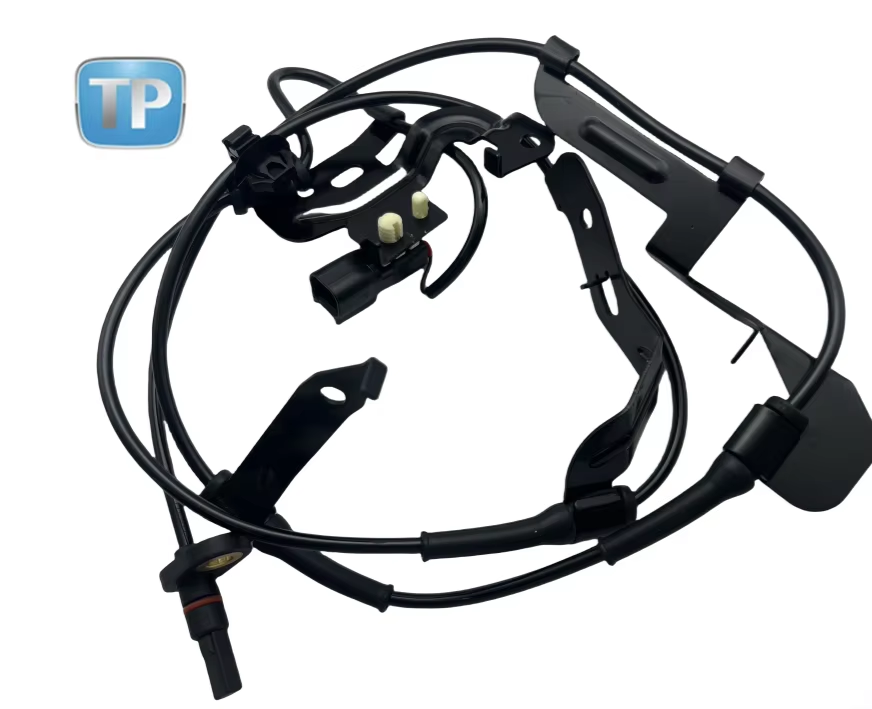
Auto Sensor Categories and Aftermarket Compatibility Essentials
Key Auto Sensor Types Driving Modern Aftermarket Demand
The wholesale automotive aftermarket is dominated by about seven main types of sensors that fail frequently and are in constant demand. These include oxygen sensors which tend to go bad around 12% of the time after five years of use, wheel speed sensors essential for proper ABS function, mass airflow sensors that control the air-fuel mix in engines, tire pressure monitoring systems or TPMS as they're commonly called, plus all sorts of ADAS components including radar modules and camera systems. Powertrain sensors such as crankshaft position sensors and knock sensors top the replacement charts because engines get so hot they just wear out faster. Modern cars typically have somewhere between 30 and 40 different sensors these days. Naturally, most of the aftermarket business focuses on those parts that degrade over time since original equipment manufacturer versions often cost anywhere from 40 to 60 percent more than their aftermarket counterparts.
Vehicle-Specific Matching: Why VIN-Driven Compatibility Is Critical for ADAS and Powertrain Sensors
Using generic compatibility charts for ADAS and powertrain sensors can lead to big problems down the road. Calibration issues and ECU communication errors are common when parts don't match properly. That's where VIN-based matching comes into play. This method checks manufacturer protocols including things like millimeter wave frequencies for radar systems, specific resistance levels that ECUs expect to see, and precise connector designs. Even small differences between model years from the same automaker matter a lot here. When there's a mismatch, technicians usually end up having to do extra programming work after installation, which costs around $185 each time it happens. Many top parts suppliers have started incorporating VIN decoding technology into their systems. These advanced tools check more than 200 different parameters for each part number, resulting in about 32 percent fewer returned items compared with old fashioned year/make/model lookup methods that still get used in some shops.
Wholesale Sourcing Strategies for Auto Sensors
Direct Manufacturer vs. Authorized Distributor Channels: Balancing Cost, Traceability, and Lead Time
When it comes to scaling up auto sensor procurement, picking the right supply channels really matters. Going straight through manufacturers can cut unit costs by around 15 to maybe even 30 percent when buying in volume, plus we get complete visibility back to specific production runs. This is super important for those advanced driver assistance systems where getting the right firmware version makes all the difference. But there's a catch. Most manufacturers want at least 500 units before they'll work with us, and delivery takes longer than eight weeks usually. On the flip side, authorized distributors can get things moving fast, often within three days or so, and they'll take smaller orders starting from just 50 pieces. The downside? We pay about 20% extra for that convenience, and tracking down exactly which batch our sensors came from becomes trickier with these middlemen.
Three factors determine optimal channel selection:
- Urgency: Time-sensitive restocks favor distributors
- Volume: Orders above 300 units justify manufacturer lead times
- Compliance: OEM-certified sensors require manufacturer-direct traceability
Prioritize suppliers certified to IATF 16949—the automotive industry’s definitive quality standard—for consistent performance. For non-critical sensors (e.g., cabin temperature monitors), distributor channels enhance inventory agility; for powertrain or emissions-critical units, direct sourcing remains mandatory despite longer cycles.
Supplier Qualification and Quality Assurance for Auto Sensors
Non-Negotiable Certifications: ISO/TS 16949 and AEC-Q200 as Baseline Requirements
For anyone supplying auto sensors, getting certified under IATF 16949 (which replaced ISO/TS 16949) along with meeting AEC-Q200 standards isn't just nice to have it's pretty much required these days. The IATF standard basically forces companies to build quality systems that prevent defects right from the start, matching what car manufacturers expect throughout their supply chains worldwide. Then there's AEC-Q200, which puts components through their paces with all sorts of stress tests in extreme conditions temperature swings, constant vibrations, and high humidity levels. These tests actually predict how well parts will hold up in real life situations where failures could be dangerous, think about advanced driver assistance systems or emission controls. According to data from the Auto Electronics Council released last year, suppliers who don't have both these certifications tend to face field failures at around 63% higher rates than those that do. Bottom line? Get verified first thing when looking at potential partners, not as an afterthought once problems start showing up on the road.
Counterfeit Detection Protocols: Validating Authenticity Through Packaging, Markings, and Lot Traceability
Detecting counterfeit auto sensors requires a three-tiered validation process:
- Packaging Inspection: Confirm tamper-evident seals, accurate manufacturer logos, and consistent labeling—font, color, and layout discrepancies are red flags.
- Component Markings: Authentic parts feature sharp, laser-etched identifiers. Magnification reveals telltale inconsistencies in engraving depth or alignment among counterfeits.
- Traceability Documentation: Require batch-specific certificates of conformance and cross-reference MTBF (Mean Time Between Failures) claims against published industry standards.
Distributors implementing all three protocols reduce counterfeit infiltration by 78% and cut warranty claims by over 40%, per the Global Automotive Repart Council’s 2024 benchmark study. This rigor is especially vital for throttle position and oxygen sensors—where undetected counterfeits can compromise drivability and emissions compliance.
Mitigating Lifecycle and Obsolescence Risks in Auto Sensor Procurement
Managing component lifecycles proactively has become absolutely critical as ADAS technology keeps advancing at lightning speed while emission standards get stricter by the day. With development timelines shrinking so much, parts just disappear from the market overnight. According to recent surveys, around three out of four suppliers end up paying for unexpected redesign work when parts suddenly become obsolete. The best approach? Many companies have started adopting something similar to what the military does through their DMSMS program, though they tweak it for cars instead. Smart manufacturers look at several angles at once: checking what original equipment manufacturers plan for future models, watching how distributors stock parts over time, and gathering intelligence about market shifts to spot trouble spots early. They also establish clear buying cutoff points based on projected demand numbers and start testing replacement options long before any official notice comes from suppliers about ending production runs.
Integrate Bills-of-Materials (BOMs) with ERP or PLM systems to trigger real-time obsolescence alerts. Apply ABC analysis to prioritize buffer stock for legacy sensors—focusing on high-volume, sole-source items. When substitution is unavoidable, validate replacements using standardized protocols:
| Validation Step | Protocol |
|---|---|
| Environmental Testing | ISO 16750 thermal cycling |
| Signal Compatibility | CAN/LIN bus protocol verification |
| Durability Benchmarking | 500-hour vibration simulation |
Partner with distributors offering formal obsolescence management programs—ideally guaranteeing 15+ years of supply continuity. This integrated approach transforms lifecycle risk into a measurable, manageable, and even competitive advantage.
FAQ Section
What are the most common types of auto sensors in demand?
Oxygen sensors, wheel speed sensors, mass airflow sensors, TPMS, ADAS components, and powertrain sensors like crankshaft and knock sensors are frequently in demand.
Why is VIN-based matching important for ADAS and powertrain sensors?
VIN-based matching ensures compatibility, preventing calibration issues and ECU errors by verifying manufacturer protocols and specific requirements for parts.
What are the benefits of sourcing auto sensors directly from manufacturers?
Direct sourcing can reduce unit costs significantly, provide traceability to specific production runs, and ensure getting the right firmware version for advanced systems, although it requires larger orders and longer lead times.
Why are certifications like IATF 16949 and AEC-Q200 crucial for suppliers?
These certifications ensure suppliers meet precise quality standards and are capable of delivering reliable parts that can withstand extreme conditions, reducing failure rates significantly.
How can companies handle obsolescence risks in auto sensor procurement?
Companies can manage obsolescence risks by integrating BOMs with systems for real-time alerts, applying buffer stock strategies, and validating replacements using standard protocols.