
 EN
EN
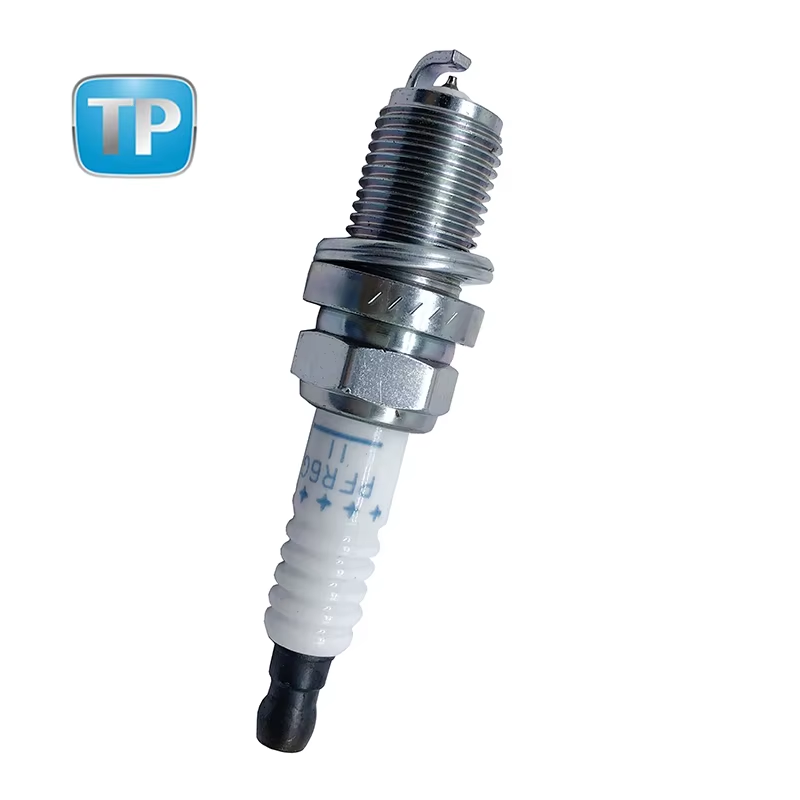
Understand OEM-Specified Spark Plug Requirements
Heat Range, Electrode Gap, and Thread Dimensions: Non-Negotiable OEM Alignment
Ignoring OEM specifications risks catastrophic engine damage and costly downtime in commercial fleets. Three parameters demand strict adherence:
- Heat range governs how efficiently combustion heat transfers from the plug tip. Incorrect ratings cause pre-ignition or carbon fouling—accelerating wear by 40% in turbocharged applications.
- Electrode gap directly affects ignition efficiency. Deviations beyond ±0.1mm reduce combustion completeness by up to 15%, increasing fuel consumption.
- Thread dimensions (pitch and reach) must match cylinder heads precisely. Mismatches cause compression leaks, potentially triggering $7,500+ engine repairs. Fleet managers should cross-reference VIN-specific OEM documentation before procurement.
How Engine Generation Dictates Spark Plug Compatibility
New engine technology has changed how we pick spark plugs for our vehicles. For Gasoline Direct Injection systems, we need plugs that won't get clogged with carbon deposits when dealing with those high pressure levels around 2500 PSI or more. Turbo diesel hybrids present another challenge altogether, needing longer reach spark plugs because cylinders run under much greater pressure than traditional setups. When it comes to engines that meet emissions standards like Tier 4 Final regulations or the new EPA 2027 requirements, manufacturers typically specify spark plugs with precious metal electrodes. These special components help maintain accurate ignition timing even after driving tens of thousands of miles without significant wear. Putting regular old spark plugs into these modern engines isn't just bad practice it actually raises the chance of engine misfires by about 30 percent and can lead to expensive repair bills when diagnostic trouble codes pop up on the computer, sometimes costing upwards of two grand to fix properly.
Select the Right Spark Plug Material for Fleet Duty Cycles
Copper, Platinum, and Iridium: Lifespan, Ignition Efficiency, and Thermal Resilience in High-Load Applications
Choosing optimal spark plug materials balances longevity, performance, and operational costs for commercial fleets. Three core materials dominate the market:
- Copper offers superior conductivity and ignition strength but wears fastest—typically requiring replacement every 20,000 miles. Ideal for cost-sensitive fleets with frequent maintenance access, though thermal degradation accelerates in stop-start cycles or turbocharged engines.
- Platinum extends service intervals to 60,000 miles with better erosion resistance. Its stable ignition suits moderate-duty applications like delivery vans, but prolonged high-load operation may compromise efficiency.
- Iridium excels in thermal resilience, with melting points exceeding 4,900°F enabling 100,000+ mile lifespans. Fine-wire electrodes maintain precise ignition during extended idling or extreme loads, reducing misfires in turbo-diesel hybrids despite higher upfront costs.
Prioritize material selection based on duty intensity: copper for low-mileage legacy fleets, platinum for balanced urban operations, and iridium for high-stress environments where downtime reduction justifies investment.
Assess Real-World Operating Conditions Impacting Spark Plug Performance
Turbocharging, Stop-Start Duty, and Extended Idling: How They Accelerate Spark Plug Degradation
Spark plugs in commercial fleet vehicles don't last nearly as long as they should because these machines experience all sorts of harsh conditions. Take turbocharged engines for instance. They put massive pressure on spark plugs, sometimes three times what we see in regular engines, and temperatures inside those cylinders can hit over 1500 degrees Fahrenheit. That kind of heat wears down the electrodes and cracks the insulators faster than normal. Then there's the stop-start system problem. When trucks are stuck in city traffic constantly stopping and starting, the ignition coils have to work eight times harder than usual throughout the day. This really eats away at those expensive metal parts on the plugs. And let's not forget about all that time spent idling at loading docks or construction sites. The plugs just sit there without getting hot enough to clean themselves properly. What happens? Carbon builds up on the insulators from incomplete combustion, which leads to misfires. And when a misfire occurs, hydrocarbon emissions jump by around 250 percent according to tests, plus it puts extra stress on the catalytic converter system.
| Operating Condition | Impact on Spark Plugs | Fleet Performance Consequence |
|---|---|---|
| Turbocharging | Electrode erosion, insulator cracking | Reduced ignition efficiency, higher misfire risk |
| Stop-Start Cycling | Precious metal depletion, coil stress | Hard starts, increased fuel consumption |
| Extended Idling | Carbon fouling, gap bridging | Misfires during acceleration, failed emissions tests |
These conditions demand plugs with advanced materials (iridium or platinum) and tighter electrode gaps to maintain ignition integrity under thermal cycling. Ignoring them leads to premature replacements costing fleets $740k annually in downtime and parts.
Optimize Total Cost of Ownership Across Your Fleet
TCO Analysis: Balancing Upfront Spark Plug Cost, Replacement Frequency, Labor, and Uptime Loss
Commercial fleet managers must evaluate spark plug selection through a total cost of ownership (TCO) lens, where upfront price is just one variable. While copper plugs cost $8–$12 per unit versus $15–$25 for iridium, the latter lasts 3–5 longer in stop-start duty cycles. Factoring in replacement frequency reveals hidden expenses:
| Cost Factor | Copper Plug Impact | Iridium Plug Impact |
|---|---|---|
| Labor (per vehicle) | 0.7 hours every 30k miles | 0.7 hours every 100k miles |
| Fleet Downtime | $180/vehicle annually | $60/vehicle annually |
| Ignition Failures | 12% higher risk | <5% documented failure rate |
The high pressure from turbocharged engines really speeds up how fast copper spark plug electrodes wear down, sometimes as much as 40%. When this happens, there are more misfires which can knock fuel efficiency down between 4 to maybe even 7 percent. Take a fleet of around 50 vehicles that log about 80 thousand miles each year. If these trucks switch over to iridium plugs instead, mechanics spend roughly 140 fewer hours replacing them every single year. Plus, the shop saves itself from approximately 300 hours worth of downtime when those old copper plugs fail unexpectedly. Most businesses find that making this kind of investment pays off pretty quickly, usually getting their money back within about 18 months. Looking at total cost isn't just about what something costs upfront but also considers all the hidden expenses that come with regular maintenance and lost productivity.
FAQ
Why is it important to adhere to OEM spark plug specifications?
Ignoring OEM specifications can lead to engine damage, costly repairs, and downtime. Spark plug specifications like heat range, electrode gap, and thread dimensions must align precisely with OEM requirements to ensure engine efficiency and safety.
How do different engine generations impact spark plug compatibility?
With innovations in engine technology, like Gasoline Direct Injection systems and turbo diesel hybrids, certain spark plugs are required to withstand high pressure and maintain performance without misfires. Using incompatible plugs increases misfire risk and repair costs.
What are the advantages of using iridium spark plugs for fleets?
Iridium spark plugs offer superior thermal resilience and long lifespans (100,000+ miles). They maintain ignition efficiency in high-stress situations, reduce downtime, and are cost-effective in the long run despite their higher initial cost.