
 EN
EN
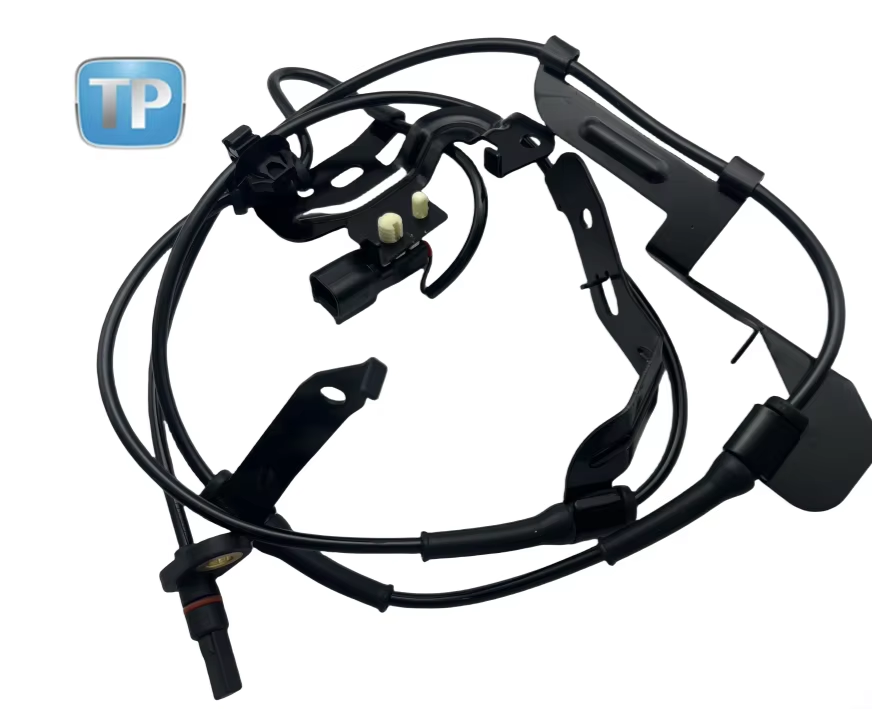
How an Oxygen Sensor Works and Its Role in Engine Management
The Science Behind Oxygen Detection in Exhaust Gases
Oxygen sensors, also known as O2 sensors, work by detecting leftover oxygen in car exhaust through chemical reactions inside them. These devices sit right in the path of exhaust fumes and create an electrical signal somewhere around 0.1 to almost 1 volt depending on how much oxygen remains compared to what's in regular air outside the vehicle. Most common are zirconia sensors which contain a special ceramic material that creates electricity when oxygen particles move through it. When we see higher voltages near 0.8 or 0.9 volts, that means there isn't enough oxygen left (rich fuel mix), while readings closer to 0.1 or maybe even down to 0.3 volts tell us there's plenty of oxygen still present (lean mixture). The information these sensors provide moment by moment helps keep engines running efficiently and meets those strict environmental regulations manufacturers have to follow nowadays.
Integration with the ECU and Impact on Fuel Trim
Voltage data from the sensor goes straight to the Engine Control Unit or ECU for short. The ECU then makes adjustments to how long the fuel injectors stay open all within a fraction of a second. If the system detects a lean condition meaning there's too much oxygen in the exhaust stream, the ECU will add more fuel to balance things out. Conversely, when it senses a rich mixture with excess fuel, it reduces the amount going into the engine. This whole feedback loop keeps the air to fuel ratio right around 14.7 parts air to 1 part gasoline, which is what works best for most engines. When everything works as intended, this setup helps maximize both performance and minimize harmful emissions coming out of the tailpipe.
- Up to 15% improved fuel economy versus open-loop operation
- Over 95% reduction in nitrogen oxide (NOx) emissions
- Protection against catalytic converter damage from unburned hydrocarbons
Inaccurate sensor output disrupts fuel trim, increasing hydrocarbon emissions by 40–60% and raising the risk of misfires (U.S. EPA, 2023).
Common Oxygen Sensor Failure Symptoms and Diagnostic Clues
Check Engine Light Codes (P0130–P0167) Explained
An illuminated Check Engine Light (CEL) is often the first sign of O2 sensor trouble—triggered when the ECU detects abnormal voltage patterns or sluggish response times. Diagnostic Trouble Codes (DTCs) P0130–P0167 specifically identify sensor-related faults:
- Circuit faults (e.g., P0130, P0150): Indicate wiring issues, connector corrosion, or internal sensor failure.
- Slow response (e.g., P0133, P0153): Reflect delays exceeding 100–300 ms—enough to destabilize fuel trim.
- Heater circuit failures (e.g., P0141, P0161): Prevent the sensor from reaching its optimal operating temperature (~600°F) quickly enough.
Always verify wiring integrity and inspect for exhaust leaks before replacing the sensor—these are common root causes mistaken for sensor failure.
Real-World Performance Indicators: Poor MPG, Rough Idle, and Emissions Failures
Degraded O2 sensor performance directly compromises drivability and regulatory compliance:
- Reduced fuel economy: A sensor stuck reporting "lean" forces unnecessary enrichment, increasing fuel use by 10–20% in stop-and-go driving.
- Rough idle or stalling: Erratic air-fuel data causes unstable combustion at low RPM, resulting in noticeable hesitation or shutdown below 1,000 RPM.
- Failed emissions tests: Elevated hydrocarbon (HC) and carbon monoxide (CO) levels stem from unregulated fuel delivery—often pushing vehicles beyond state or federal thresholds.
Together with DTCs and voltage waveform analysis, these symptoms form a reliable diagnostic triad. Timely replacement restores stoichiometric balance and safeguards downstream components like the catalytic converter.
Oxygen Sensor Replacement Best Practices for B2B Technicians
Selecting the Right Sensor Type: Zirconia vs. Wideband vs. Titania
For most traditional port injection systems, zirconia narrowband sensors still hold the position as industry standards. These devices generate voltage readings based on how much oxygen remains in the atmosphere after combustion. When it comes to modern engines like those with direct injection or turbochargers, wideband air-fuel ratio sensors become necessary. They provide very accurate lambda measurements within about plus or minus 0.01, which is critical when maintaining proper fuel mixture ratios. Titania sensors aren't used much anymore but were once popular. Instead of generating voltage like zirconia types, they work through resistance changes. Most mechanics only encounter these older models during repairs on classic vehicles from certain manufacturers. Mechanics should always ensure that replacement sensors match what the factory originally installed. Getting this wrong leads to incorrect lean or rich condition warnings showing up on diagnostic tools, plus exhaust emissions could jump anywhere between 15 to 30 percent higher according to recent studies published by SAE International back in 2023.
Step-by-Step Installation Tips to Prevent Damage and Ensure Accuracy
- Apply penetrating oil to corroded threads 2–3 hours before removal.
- Use an oxygen sensor socket with built-in wire harness clearance to avoid damaging connectors.
- Apply nickel-based anti-seize compound only to the threads—not the sensing element—to prevent contamination.
- Tighten to manufacturer-specified torque (typically 30–45 Nm) using a calibrated torque wrench.
- Route wiring at least 3 inches from hot exhaust surfaces and secure with heat-resistant loom.
After installation, confirm closed-loop operation begins within 5 minutes of a cold start. Mishandling—including contact with oils, silicone, or antifreeze—can poison the sensing element and delay response times beyond 500 ms.
Preventive Maintenance and Long-Term Oxygen Sensor Reliability Strategies
Regular maintenance really helps extend the lifespan of oxygen sensors and saves money by preventing bigger problems down the road. Stick with the engine oil recommended by the car maker to keep soot from building up on those sensitive sensor tips. And watch out for cheap fuel additives not approved by manufacturers since they tend to create corrosive deposits over time. When doing routine service checks, technicians should look at real-time data showing how fast the sensor switches between states, how quickly it responds, and what voltage range it operates within. Delayed transitions taking longer than 250 milliseconds are red flags that something might be going wrong even if nothing looks broken yet. Most people still replace sensors based on mileage markers around 100,000 miles or so, but newer models come equipped with built-in monitoring systems that send warning codes when performance starts drifting off course before complete failure happens. The industry has also made progress in sustainability lately, incorporating things like zirconia ceramic components that can be recycled and lead-free solder options which actually stand up better to all that intense heat cycling in exhaust systems.
FAQs
What does an oxygen sensor do?
An oxygen sensor measures the amount of oxygen in the exhaust gases of a vehicle. It sends this information to the engine control unit (ECU) to help regulate the air-fuel mixture for optimal engine performance and reduced emissions.
What are the signs of a failing oxygen sensor?
Common symptoms include reduced fuel economy, rough idle, stalling, a lit Check Engine Light, and failing emissions tests.
How often should oxygen sensors be replaced?
Typically, oxygen sensors are replaced based on mileage markers, around every 100,000 miles. Newer models may have built-in monitoring systems that indicate when sensor performance starts to degrade.
Can I replace the oxygen sensor myself?
Yes, but it is important to follow best practices and guidelines to avoid sensor damage, ensure proper installation, and confirm the sensor starts closed-loop operation post-installation.