
 EN
EN
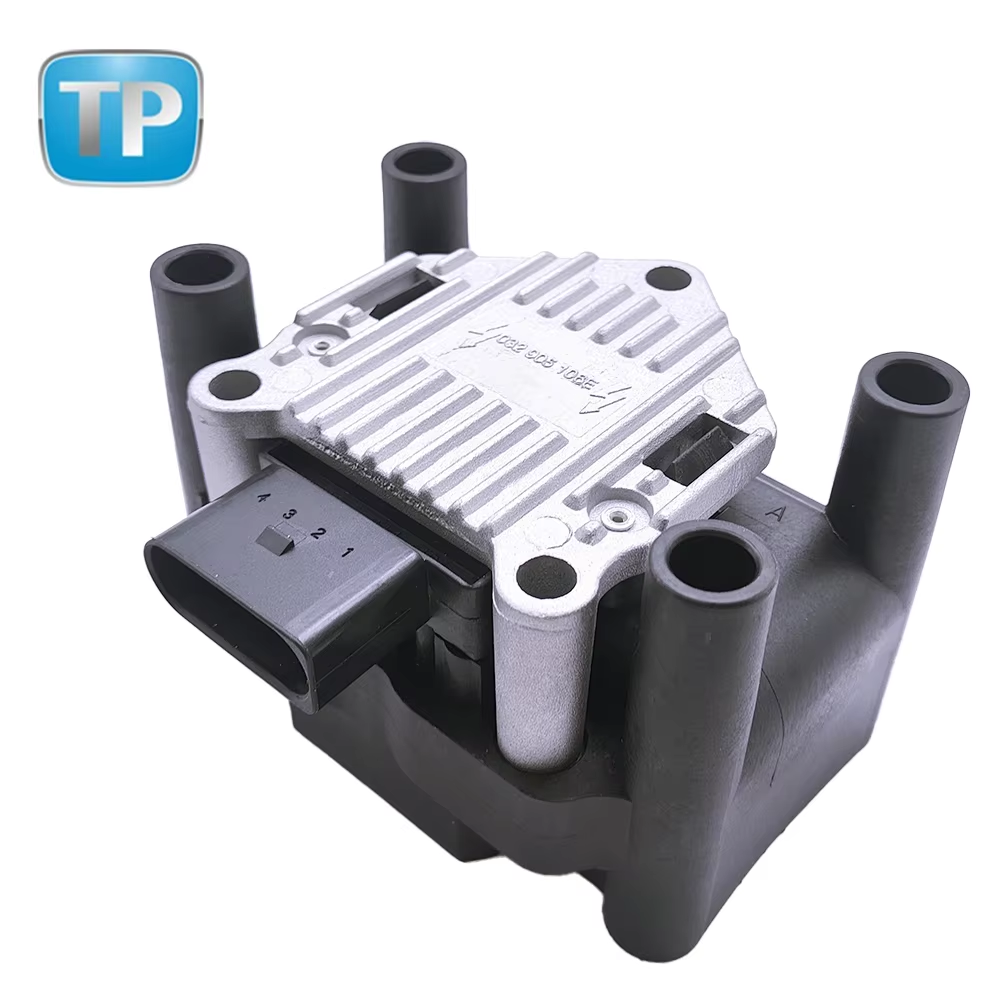
What Is an Ignition Coil and How Does It Work?
The ignition coil serves as an essential component in gasoline engines, transforming the low voltage from the car battery (usually around 12 volts) into powerful electrical surges that can reach between 15,000 and 45,000 volts. These high voltages are what ultimately set off the air-fuel mix inside the combustion chamber. How does this happen? Well, basically through something called electromagnetic induction. When electricity runs through the primary winding of the coil, it creates a magnetic field. But here's where things get interesting - if we cut off that current flow using either the ECU or distributor, the magnetic field suddenly disappears. This collapse actually generates those high voltages in what's known as the secondary winding. What follows next is pretty straightforward. The spark produced at the spark plug starts the combustion process, which then pushes the pistons and keeps the whole engine running smoothly.
Most modern engines these days come equipped with coil-on-plug (COP) systems where each cylinder gets its own individual coil. This setup allows for much better control over when sparks happen and cuts down on the power losses we used to see with those old distributor systems. The insulation inside these coils needs to be pretty strong though. According to a recent study by SAE International from 2023, about 43 percent of all coil problems actually stem from voltage leakage issues. For things to work right consistently, there are specific resistance ranges manufacturers look at. Primary resistance should stay somewhere between 0.4 and 2 ohms while secondary resistance typically falls in the 6k to 20k ohm range. These numbers match what original equipment manufacturers specify because they know this helps keep spark energy levels just right for efficient combustion throughout the engine's operation cycle.
Without fully functional ignition coils, engines suffer misfires, no-start conditions, or catalytic converter damage from unburned fuel entering the exhaust. As electronic ignition systems advance, modern coils support features like variable spark duration and ion-sensing diagnostics—adjusting timing in real time based on combustion stability and fuel quality.
| Coil Component | Function | Failure Impact |
|---|---|---|
| Primary winding | Receives 12V battery current | Engine cranks but won't start |
| Secondary winding | Generates high-voltage output | Intermittent misfires under load |
| Iron core | Amplifies magnetic field | Reduced spark intensity |
| Insulating resin | Prevents voltage leaks | Short circuits causing no-spark conditions |
Top 5 Symptoms of a Failing Ignition Coil
Early recognition of ignition coil failure helps avoid expensive downstream damage—including catalytic converter replacement or oxygen sensor degradation. Five hallmark symptoms signal declining coil health:
- Engine misfires, marked by hesitation during acceleration, rough idling, or power loss under load, occur when weak sparks fail to fully ignite the air-fuel mixture
- Illuminated check engine light, triggered by OBD-II detection of voltage irregularities—most commonly trouble codes P0300–P0308 (random or cylinder-specific misfires)
- Reduced fuel efficiency, as incomplete combustion wastes fuel and increases exhaust emissions; drivers may see mileage drop by 20–30% while accelerating catalytic converter deterioration
- Starting difficulties, including extended cranking or failure to ignite—especially noticeable in cold or damp conditions where marginal coils struggle to generate sufficient voltage
- Exhaust backfiring, characterized by loud popping sounds, dark smoke, or raw fuel odor from the tailpipe, caused by unburned fuel igniting in the hot exhaust system
Mechanics report that nearly 30% of drivability complaints stem from failing ignition coils. Addressing these signs promptly preserves engine integrity and minimizes the risk of roadside breakdowns.
Diagnosing Ignition Coil Issues: Tools and Techniques
Using a Multimeter to Test Coil Resistance
First things first, pop off the ignition coil and get out that digital multimeter. Set it to ohms mode before proceeding. Check the primary resistance across those plus and minus terminals, followed by the secondary resistance between the plus terminal and that high voltage post. Now cross reference what you see against what the carmaker recommends. Most factory specs will show around 0.4 to 2 ohms for the primary windings, while secondary windings usually fall somewhere between 6 thousand and 15 thousand ohms. If measurements don't match up within these ranges, there's probably some wear happening inside the component. And remember folks, do all testing when everything is at normal room temps. Hot components give skewed readings because heat messes with resistance values, which just leads to confusion down the road.
Interpreting OBD-II Codes Related to Ignition Coils
Today's cars come equipped with On Board Diagnostics version two (OBD-II) systems that help pinpoint problems with the ignition system. To get started, plug in an OBD-II scanner into the diagnostic port which is typically located under the dash near where the steering wheel sits. When there are issues with specific cylinders' coil circuits, the system will throw codes ranging from P0351 through P0358. Each code points directly at a particular cylinder - P0351 means cylinder one has a problem, P0352 indicates cylinder two, and this pattern continues all the way through. Some high end diagnostic tools go beyond basic code reading by actually testing each coil individually. These advanced scanners send commands to make coils fire and then watch how they respond. For best results, mechanics often combine what they see from these codes with actual measurements taken using a multimeter. This double check approach makes diagnosis much more accurate and cuts down on those frustrating situations where everything looks good but something still isn't right.
Replacing an Ignition Coil: Step-by-Step Guide and Pro Tips
Selecting the Right Replacement Ignition Coil
Getting the right fit matters a lot when it comes to replacement parts. Check those OEM numbers carefully or look at the compatibility charts approved by manufacturers before making any purchase decisions. Many generic aftermarket coils don't go through proper thermal testing cycles and tend to use cheaper insulation materials, which can cut their lifespan down significantly compared to higher quality options. Look for coils designed to handle continuous operation above 120 degrees Celsius with actual field testing behind them. Don't forget to apply some dielectric grease on those electrical connections during installation either. This simple step stops water from getting inside and causing corrosion problems later on, so the connections stay good for longer periods of time without issues.
Safety Precautions and Common Installation Mistakes
Before getting started, make sure to disconnect the negative battery terminal first. This simple step helps prevent unwanted surprises like shocks or damage to the car's computer system. Safety gear matters too - grab those insulated gloves and put on some eye protection. Believe it or not, old coils can still hold onto electricity, and when sparks fly, we're talking about voltages that go way beyond what most people expect. When installing new parts, don't crank down on those mounting bolts too hard (they'll crack eventually) but also watch out for connectors that aren't tight enough since this leads to problems later on. The folks at NSTC have seen their data show something interesting: around a third of home replacement jobs end up needing redo within half a year because either the torque was off or there was grime/oil messing things up. Once everything looks good, double check that all the wiring connections snap into place properly. Listen for that satisfying click sound. After putting everything back together, start the engine and see if it runs smoothly. Don't forget to run a quick diagnostic scan just to be safe and catch any remaining issues.
FAQ
What does an ignition coil do?
An ignition coil transforms low voltage from the car battery into high voltage for igniting the air-fuel mixture in the combustion chamber.
What are common symptoms of a failing ignition coil?
Common symptoms include engine misfires, illuminated check engine light, reduced fuel efficiency, starting difficulties, and exhaust backfiring.
How can I test my ignition coil?
You can test your ignition coil using a multimeter to check for primary and secondary resistance values.
When should I replace my ignition coil?
You should replace your ignition coil when you notice symptoms like misfires, reduced performance, or when diagnostics indicate a coil issue.