
 EN
EN
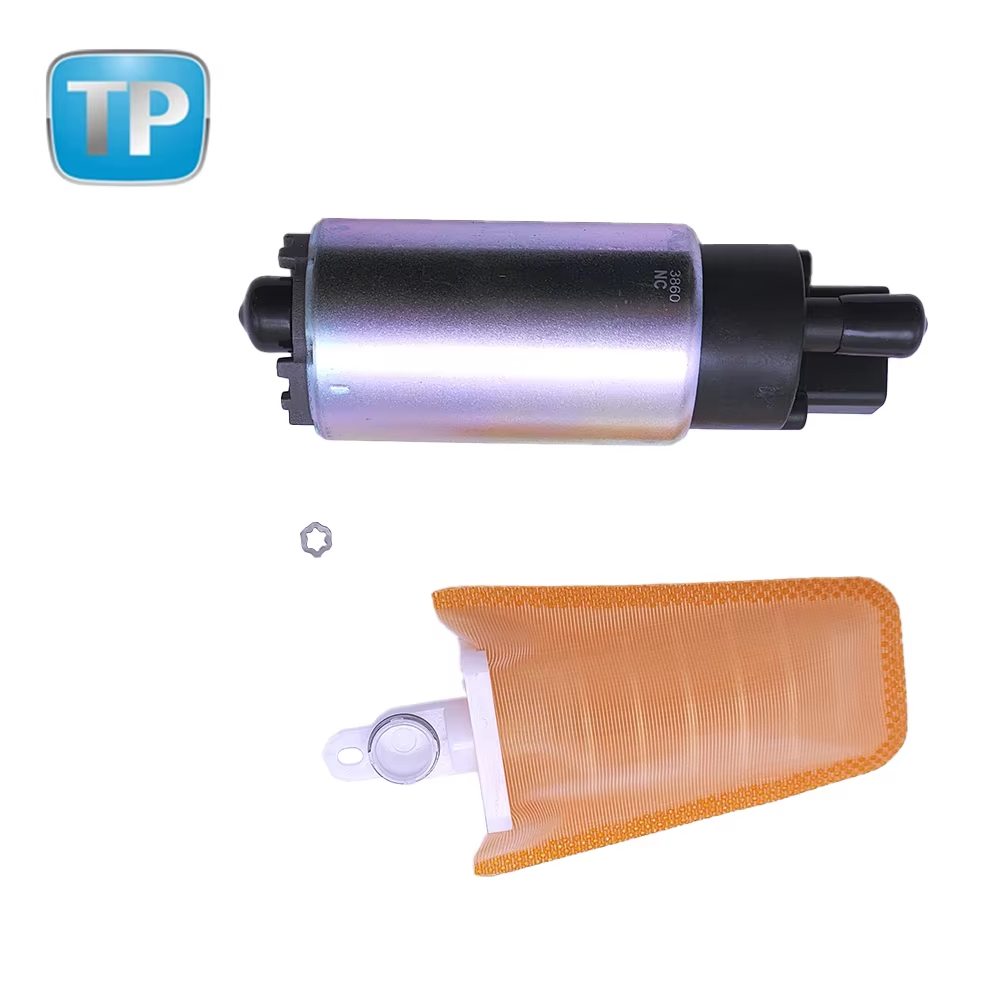
Decode Fuel Pump Specifications: Flow, Pressure, Voltage, and OEM Compliance
Interpreting Critical Fuel Pump Ratings: GPH, PSI, Voltage Tolerance, and Fuel Compatibility
Getting the right fuel pump installed depends on checking off these four key specs first. The flow rate matters a lot because it tells us how much fuel gets delivered each hour, either measured in gallons or liters. If there isn't enough flow, the engine basically goes hungry which leads to all sorts of problems like running too lean and losing power. When it comes to pressure, we need to match what the factory set for the vehicle. Most gas engines work best around 40 to 80 pounds per square inch. Go outside that window and drivers might notice their car hesitating, misfiring, or even getting flooded sometimes. Then there's voltage tolerance something often overlooked but super important. Fuel pumps have to handle everything from when the battery drops down near 9 volts during startup all the way up to when the alternator kicks in at about 16 volts while driving normally. And let's not forget about what kind of fuel the pump can handle without breaking down over time. Some are built for regular gas, others work with higher ethanol mixes like E85, and still others handle diesel fuel properly. Recent testing showed that almost two thirds of aftermarket pumps couldn't handle voltages under 10 volts, which points to some serious quality issues in the market right now.
| Specification | Impact of Deviation | OEM Benchmark |
|---|---|---|
| Flow Rate (GPH/LPH) | Lean conditions, power loss | Matches ECU calibration |
| Pressure (PSI) | Misfires, flooded engine | 40–80 PSI (gasoline) |
| Voltage Tolerance | Inconsistent fuel delivery | Stable at 9–16V |
Why Genuine Fuel Pumps Include Traceable Batch Codes and Regulatory Markings (EPA, CARB, ECE-R115)
Real fuel pumps actually build traceability features right into how they're made physically. The laser etched batch numbers let companies track parts all the way through the supply chain. And those regulatory marks we see on genuine products? They include important certifications like EPA, CARB, and especially ECE-R115 which relates to emissions standards and material tests. Fake pumps either leave out these identification marks completely or copy them poorly with wrong fonts, crooked logos, and uneven spacing between characters. What many don't realize is that proper ECE-R115 certification requires special testing for resistance to ethanol blends something most cheap knockoffs just skip over. Look at the numbers from last year: nearly one third (about 32%) of all fuel system recalls involved pumps that didn't meet basic compliance standards. When checking authenticity, remember to cross reference actual component markings with manufacturer databases instead of relying solely on packaging information. Scammers can print convincing labels but rarely bother producing legitimate internal components.
Inspect Packaging and Branding: Reliable Indicators of Genuine Fuel Pump Authenticity
Holograms, QR Code Traceability, and Print Quality as First-Line Fuel Pump Verification Tools
Real fuel pumps come with several built-in security measures to stop counterfeits. The tamper-proof holograms on them actually change colors or show secret patterns when you tilt them at different angles. These kinds of features just can't be copied properly without special equipment made by the original manufacturers. There are also QR codes printed right there on the product that let people check all sorts of important info about each specific batch. We're talking dates when they were made, what tests passed, and whether they meet standards for different regions. When looking at packaging, print quality gives away authenticity pretty quickly. Legit stuff always has sharp, clear text where everything lines up nicely and the ink looks consistent throughout. Safety messages should be easy to read too. On fake products though, watch out for logos that look washed out, images that appear blurry or pixelated, and any regulatory text that seems smudged or hard to decipher. Those are pretty much telltale signs something wasn't produced according to proper regulations.
Font Analysis, Logo Proportions, and Serial Number Placement: Detecting Counterfeit Fuel Pumps
Precision in typography and engraving reflects adherence to OEM engineering standards. Key checkpoints include:
- Font fidelity: Confirm exact typeface usage (e.g., Helvetica Neue for European OEMs; Arial Bold for select U.S. applications); substitutions signal non-certified tooling.
- Logo dimensions: Measure against published brand guidelines–discrepancies ≥0.5mm indicate unauthorized reproduction.
-
Serial number integrity
- Location must match OEM service diagrams (e.g., centered 15mm from housing seam)
- Engraving depth and consistency reflect laser marking–not surface stamping
- Alphanumeric sequences follow region-specific logic (e.g., ISO-compliant year/week coding)
Counterfeit units consistently fail one or more of these checks, revealing inconsistencies in stroke weight, kerning, or alignment that trained technicians can spot at a glance.
Validate Part Numbers and Cross-Reference Against OEM Databases
Part number validation against genuine OEM sources is really what makes or breaks accurate verification. Authentic fuel pumps come with those special codes that are designed specifically for each car model, covering everything from engine type to how the fuel system works and even the ECU settings. When these don't match up, it's usually behind most fitment problems we see, which can show up as weird pressure issues or electrical problems when the system is running hard. Always check the numbers stamped on the pump housing against trusted databases such as OEConnection or the official parts catalogs from manufacturers like BMW or Ford through their ETIS systems. And here's something important too: combine this check with a VIN lookup. This two-step approach gets things right about 98 times out of 100 for cars with specific trim levels, particularly crucial for newer models with those fancy variable flow or direct injection setups. Skip this whole process and mechanics might end up fitting pumps that look right at first glance but just won't work properly inside because they're missing those tiny internal specs required for stable fuel delivery, which turns good parts into expensive mistakes sitting on warehouse shelves.
Confirm Certification Standards: ISO/TS 16949, SAE J1845, and Fuel System Compliance
Why ISO/TS 16949 Certification Is the Gold Standard for Genuine Fuel Pump Manufacturing
The ISO/TS 16949 standard, which has been replaced by IATF 16949 but remains in many old documents, sets the gold standard for quality control in making fuel pumps for cars. This standard requires manufacturers to maintain statistical process control, prevent failures before they happen, and track every part all the way from raw materials to when it's finally tested for function. Facilities that get certified typically show about 30 percent fewer issues with dimensions and performance during independent audits, which makes a real difference in how consistently fuel flows, how pressure behaves over time, and how the pump responds to different voltages. When buying authentic pumps, look for those made at IATF 16949 certified plants where each unit goes through complete functional checks. This ensures they work properly with original equipment manufacturer electronic control units and match the vehicle's fuel delivery system. Another important standard is SAE J1845, which tests how well pumps hold up under actual driving conditions. It looks at things like how long they can handle pulsations, what happens after repeated temperature changes, and their ability to withstand shocks something fake pumps often can't pass. Working with IATF 16949 certified suppliers means meeting requirements from environmental agencies like EPA and CARB around the world. It also stops problems caused by poor materials failing too soon and creates detailed records at every production batch level. These records are essential for handling warranty claims and keeping fleets reliable over years of operation.
FAQ
- What are critical fuel pump specifications to consider? Key specifications to consider include flow rate, pressure, voltage tolerance, and fuel compatibility.
- How do OEM batch codes and regulatory markings verify fuel pump authenticity? Genuine fuel pumps include traceable batch codes and regulatory markings from organizations like EPA, CARB, and ECE-R115, which demonstrate compliance with standards.
- Why is ISO/TS 16949 certification important for fuel pumps? ISO/TS 16949 certification ensures stringent quality control in manufacturing, leading to fewer performance issues and consistent functionality.
Table of Contents
-
Decode Fuel Pump Specifications: Flow, Pressure, Voltage, and OEM Compliance
- Interpreting Critical Fuel Pump Ratings: GPH, PSI, Voltage Tolerance, and Fuel Compatibility
- Why Genuine Fuel Pumps Include Traceable Batch Codes and Regulatory Markings (EPA, CARB, ECE-R115)
- Inspect Packaging and Branding: Reliable Indicators of Genuine Fuel Pump Authenticity
- Validate Part Numbers and Cross-Reference Against OEM Databases
- Confirm Certification Standards: ISO/TS 16949, SAE J1845, and Fuel System Compliance
- FAQ