
 EN
EN
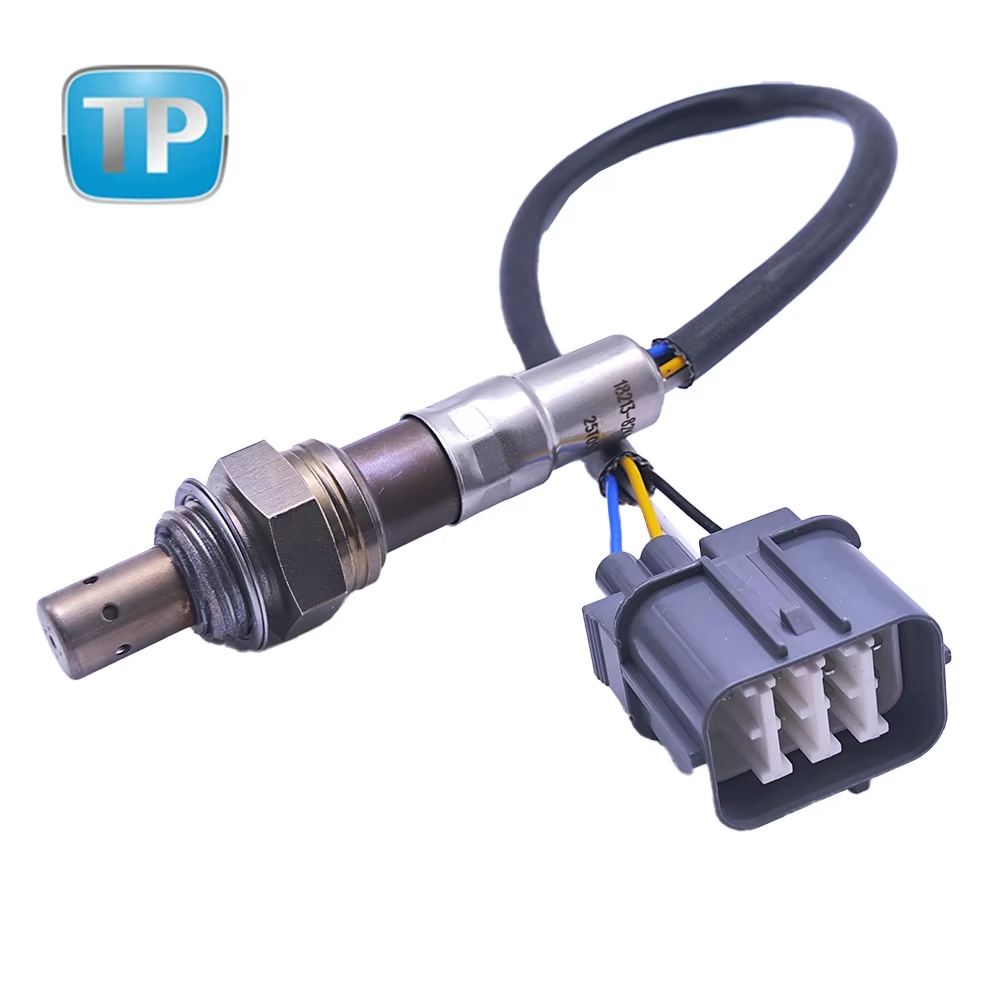
Global Regulatory Compliance for Auto Sensors
EU Requirements: Euro 6/7 Emissions and UN ECE R100/R155 for Functional Safety
Sensors used in automobiles sold within the European Union face pretty tough regulations when it comes to emissions control and overall safety. The Euro 6/7 standards place tight restrictions on things like nitrogen oxides (NOx) and particulate matter, which means manufacturers need real time monitoring systems built right into their exhaust systems just to pass inspection. When we look at electric vehicles specifically, there's another layer of complexity. Regulation R100 from the UN ECE covers battery safety including how sensors work with these systems. And then there's R155, which requires companies to implement proper cybersecurity measures. This includes detecting intrusions, keeping data transfers secure, and managing vulnerabilities throughout the product life cycle. Getting EU type approval basically depends on showing that all these requirements are met properly. Fail to comply? Well, that means no selling cars anywhere in those 27 countries that make up the EU.
U.S. Requirements: EPA Certification, FMVSS 127, and NHTSA Cybersecurity Guidance
Auto sensors in America need to pass EPA certification under the Clean Air Act Title II before they can hit the market, with strict requirements for measuring emissions accurately within a 5% margin of error. Then there's FMVSS 127 which sets standards for automatic emergency braking systems, basically saying manufacturers have to prove their sensors can reliably detect objects when cars are moving between 50 to 100 kilometers per hour. On top of all that, the National Highway Traffic Safety Administration released new cybersecurity rules in 2024 demanding companies document how they handle software vulnerabilities and ensure firmware updates go through proper encryption and authentication processes. And let's not forget the financial stakes here either - failing to comply could result in fines reaching as high as $25,000 for each violation according to section 30165 of the U.S. Code.
IATF 16949 and OEM-Specific Quality Mandates for Auto Sensors
Core IATF 16949 Clauses Critical to Auto Sensor Design, Validation, and Production
IATF 16949 serves as the foundational quality management standard for automotive sensor suppliers, embedding risk-based rigor across design, validation, and production. Key clauses include:
- Risk-based thinking (Clause 6.1): Requires Failure Mode and Effects Analysis (FMEA) during sensor development
- Process validation (Clause 8.5.1): Demands statistical evidence of production stability through Cpk/Ppk metrics
- Traceability (Clause 8.5.2): Enforces lot/batch tracking from raw materials to finished sensors
- Calibration management (Clause 7.1.5): Compels regular validation of test equipment against ISO/IEC 17025 standards
Certification is mandatory for Tier 1–3 suppliers, with 78% of OEMs citing it as a prerequisite for sourcing decisions (Automotive News, 2023).
PPAP Levels, APQP Phasing, and OEM-Specific Requirements
Advanced Product Quality Planning (APQP) structures sensor development, while Production Part Approval Process (PPAP) validates manufacturing readiness:
| Requirement | Purpose | Key Documentation |
|---|---|---|
| Level 3 PPAP | Full production validation | Dimensional reports, Material certs |
| APQP Phase 4 | Process validation | Process Flow Diagrams, Control Plans |
OEMs impose additional quality expectations:
- Ford Q1: Requires zero-defect deliveries and ¥95% on-time shipment
- GM BIQS: Emphasizes error-proofing via layered process audits
- VW Formel Q: Mandates annual process capability studies for critical sensor characteristics
Suppliers adhering to these frameworks see field failures reduced by 40% compared to uncertified peers (J.D. Power, 2023).
Environmental and Reliability Validation for Auto Sensors
AEC-Q200 Qualification, ISO 16750 Testing, and Real-World Durability Benchmarks
Environmental and reliability validation ensures auto sensors operate safely and consistently across extreme conditions—from arctic cold to desert heat. The validation framework rests on three pillars:
- AEC-Q200: Specifies rigorous stress testing for passive components, including 1,000-hour thermal cycling and high-humidity exposure
- ISO 16750: Simulates real-world environmental stressors such as salt spray corrosion, wide-temperature operation (–40°C to +150°C), and road-surface-matched vibration profiles
- Accelerated life testing: Compresses 15 years of thermal shock exposure into eight weeks to validate long-term durability
The validation process covers several important aspects including how well the sensors handle mechanical shocks at 50G levels, their ability to resist electromagnetic interference or EMI, and protection against fluids according to IP6K9K standards. When sensors pass all these tests they typically show less than 1 failure in time (FIT) throughout their entire service life. That kind of reliability is absolutely necessary for systems where safety matters most such as automotive braking controls and electric vehicle battery management. The money saved by preventing field failures adds up too. According to research from the Ponemon Institute back in 2023, companies avoid roughly $740k on average for every product recall that gets prevented thanks to thorough validation testing.
Cybersecurity, Data Interoperability, and Emerging Auto Sensor Standards
ISO/SAE 21434 Compliance, UNECE R155/R156 Implications, and Calibration Traceability
With cars becoming more connected day by day, auto sensors have become prime targets for hackers. According to Upstream Security's 2023 report, around 62 percent of all cyber attacks in the automotive sector actually target sensor data streams. The UNECE R155 regulation kicks in July 2024 and demands that manufacturers implement proper Cybersecurity Management Systems covering everything from when sensors are developed right through their entire lifecycle until they're decommissioned. Alongside this, there's also ISO/SAE 21434 which pushes for thorough threat analysis and risk assessments during sensor design phases. This means incorporating things like encryption at the hardware level, making sure devices start up securely, and having verified methods for updating software remotely across the network.
When it comes to calibration traceability following ISO/SAE 21434 standards, what we're really talking about is keeping data intact using methods like cryptographic signing along with proper chain of custody records. This isn't just about meeting regulations either. The real benefit comes from stopping anyone from faking or messing with sensor readings down the line. Big names in automotive manufacturing are starting to bring together their cybersecurity needs with those old functional safety rules from ISO 26262. What this means practically is that engineers can work on both safety features and security measures at the same time instead of treating them as separate issues. And here's the kicker nobody wants to lose compatibility between different parts of a car's system while doing all this important stuff.
FAQ
What are the major compliance requirements for auto sensors in the EU?
Auto sensors in the EU must comply with regulations for emissions control and functional safety. This involves adhering to Euro 6/7 standards for emissions and regulations like UN ECE R100 for battery safety and R155 for cybersecurity throughout the product lifecycle.
How does the U.S. ensure the safety and reliability of auto sensors?
The U.S. mandates EPA certification for emissions accuracy, FMVSS 127 standards for effective object detection by sensors, and NHTSA cybersecurity guidelines to handle software vulnerabilities securely.
What role does IATF 16949 play in auto sensor production?
IATF 16949 provides a quality management standard emphasizing risk-based rigor, process validation, traceability, and calibration management necessary for designing, validating, and producing automotive sensors.
Why is environmental and reliability validation crucial for auto sensors?
Validation ensures sensors operate safely in extreme conditions and resist stressors like temperature fluctuations, corrosion, and electromagnetic interference, which are essential for preserving safety and saving costs related to potential product recalls.
How are auto sensors protected from cyber attacks?
Auto sensors are protected through cybersecurity standards like UNECE R155 and ISO/SAE 21434, which demand comprehensive cybersecurity management from development to decommissioning, along with data integrity measures like cryptographic signing.