
 EN
EN
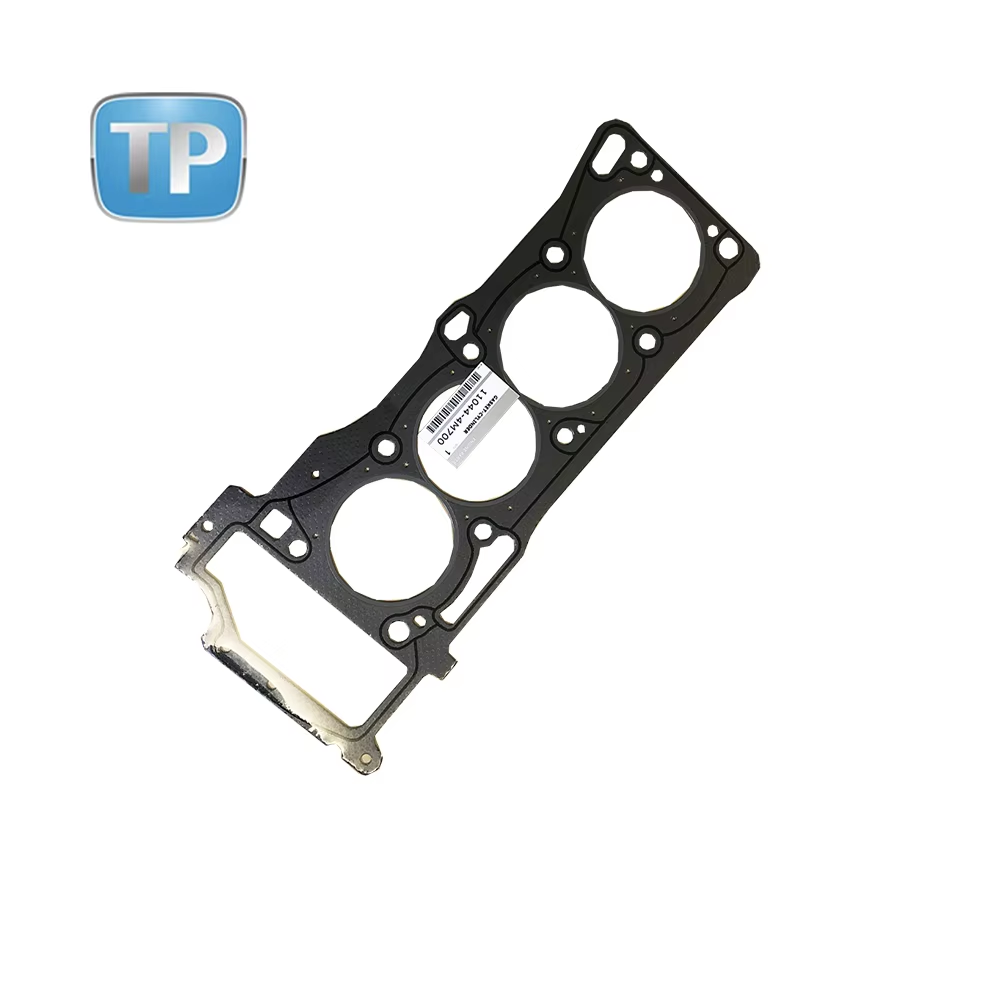
Engine Overheating: The Leading Cause of Head Gasket Failure
How Sustained Overheating Induces Thermal Stress and Cylinder Head Warping
If an engine runs too hot for too long, it creates serious problems with thermal stress that can wreck the head gasket. Most mechanics know that when coolant temps go past about 230 degrees Fahrenheit, something bad happens fast. The aluminum cylinder heads start expanding at almost double the rate of those old cast iron engine blocks. What follows is pretty destructive stuff. The cylinder head gets warped, squishing all those delicate sealing layers in the gasket and cracking them at microscopic levels. And things just get worse from there. Diesel engines are especially vulnerable because their combustion pressure hits around 1,000 psi when things heat up. All those superheated gases find paths through damaged fire rings. Eventually, this leads to total system failure. Once the surfaces are warped, they won't seal properly even after everything cools down, which means coolant gets contaminated and dangerous combustion gases start leaking out where they shouldn't be.
Cooling System Failures That Precipitate Critical Temperature Spikes
Cooling system malfunctions trigger 78% of overheating-related head gasket failures. Critical vulnerabilities include:
- Low coolant volume from radiator leaks or degraded hoses, reducing heat dissipation capacity by 40–60%
- Stuck thermostats, blocking coolant flow and causing localized boiling temperatures exceeding 260°F
- Electric fan failures, eliminating airflow at idle and elevating underhood temperatures by 90°F within 8 minutes
- Water pump impeller erosion, decreasing coolant circulation rates below critical thresholds
When things go wrong, they tend to create this nasty cycle where poor cooling speeds up metal fatigue in the head gasket area. At the same time, those pesky combustion gases find their way into the coolant system through fresh cracks, which only makes heat transfer worse. That's basically what happens when an engine keeps running even after the temperature light comes on. Most mechanics will tell you that if an engine runs about 20 minutes beyond that overheating alert, there's pretty much a 9 out of 10 chance the head gasket will be toast. It's one of those situations where stopping early really matters for preventing major repairs down the road.
High-Mileage Wear and Material Fatigue in the Head Gasket
Thermal Cycling, Vibration, and Loss of Sealing Integrity Over Time
The constant heating and cooling of engines causes metals to expand and contract over time, which slowly wears down the strength of head gaskets. Thermal fatigue gets worse when combined with engine vibrations, creating tiny cracks in the gasket material that eventually break the seal. Vehicles that have gone past 100k miles typically show about 70% more distortion in their cylinder heads because of all this accumulated stress, leading to faster leaks between coolant and oil systems. Research on bearing fatigue shows similar wear patterns when parts are exposed to repeated temperature changes, but head gaskets deal with an entirely different kind of stress from combustion pressures and uneven clamping forces across their surface.
Reduced Compressibility and Recovery Beyond 150,000 Miles
Head gaskets don't last forever, and as they get older, they just aren't able to keep that crucial compression seal between the engine block and cylinder head anymore. Tests conducted across the industry indicate something pretty telling: after around 150,000 miles on the odometer, these old gaskets lose about 40% of their original rebound capability compared to when they were brand new. What happens? The rubber-like materials start to become brittle over time, and those important sealing beads flatten out, creating gaps where hot combustion gases can escape through weak spots. Once we reach this point in the life cycle of a vehicle, keeping up with coolant maintenance isn't just good practice—it's absolutely necessary. Regular checks help control corrosion issues for sure, but there's another reason too: maintaining stable engine temperatures helps balance out pressure differences inside the engine bay, which ultimately slows down the inevitable breakdown process.
OEM Head Gasket Design Limitations in Modern High-Mileage Applications
Composite vs. MLS Evolution: Why Older Gaskets Fail Under Extended Load
Older composite head gaskets found on cars made before 2000 typically contain graphite or even asbestos layers. They start out flexible enough for installation but tend to break down pretty fast when exposed to repeated heating and cooling cycles, especially after around 150k miles on the odometer. The newer multi layer steel gaskets are a different story altogether. These MLS types can handle much greater pressure inside the engine block, sometimes pushing past 2000 psi in turbocharged engines because of those special embossed steel layers combined with rubber like coatings. But here's the catch most people don't talk about: factory designed gaskets usually focus more on keeping production costs low rather than lasting forever. That means...
- Material fatigue: Composite cores lose compressibility after repeated heating/cooling cycles, creating micro-leaks
- Seam vulnerability: Pre-2020 MLS gaskets used thinner interlayer sealants, permitting combustion gas erosion in high-mileage engines
While MLS gaskets reduce failure rates by 40% versus composites (SAE International, 2023), both types degrade when cylinder head warpage exceeds 0.003 inches— a frequent issue in engines operated beyond manufacturer-recommended service intervals.
Abnormal Combustion Events Accelerating Head Gasket Degradation
When abnormal combustion happens, such as when detonation or pre-ignition takes place, it creates pressure spikes that go way beyond what the combustion chamber was designed to handle. The resulting shockwaves beat against the head gasket over and over again, putting constant stress on those tiny sealing layers and speeding up cracks that form between cylinders or even spread into coolant channels. This kind of damage doesn't show up on the outside like normal wear does, and frequently appears out of nowhere without any warning signs of overheating first. Even the strongest MLS gaskets aren't immune to developing small fractures that break down the seal completely. Once that happens, we get compression losses, oil mixing with coolant, or worse yet, exhaust gases getting into the cooling system. Finding these issues early is tough work especially in older engines pushing their limits, which is why proper knock sensor setup and keeping an eye on fuel quality matters so much for prevention.
Neglected Maintenance as a Compounding Factor for Head Gasket Longevity
When it comes to engines with lots of miles on them, skipping regular maintenance really speeds up how fast head gaskets start to fail because so many important systems just aren't working right anymore. Coolant flushes that get put off too long let rust particles build up inside the system, which cuts down on how well heat moves around by maybe as much as 40%. This creates little pockets of extreme heat that basically cook away at the gasket material over time. The same thing happens when engine oil starts breaking down. It loses its thickness and can't handle heat as well, pushing friction temperatures anywhere from 30 to 50 degrees higher than what the engine was designed for. All these problems stack on top of each other and lead to several different ways the engine can ultimately fail:
- Coolant system neglect, enabling electrolytic corrosion that etches sealing surfaces
- Extended oil change intervals, promoting sludge buildup that impedes heat dissipation
- Ignored minor leaks, gradually lowering coolant levels and triggering cyclic overheating events
Putting off maintenance until something breaks down can lead to serious financial headaches. Fixing a blown head gasket typically runs anywhere from four to seven times what regular service would have cost, and if the problem causes additional damage, full engine rebuilds frequently top out around $5,000 or more. For anyone wanting their vehicle to last well past 150k miles on the odometer, keeping an eye on things like coolant acidity levels, checking for oil contaminants, and watching those temperature gauges while driving makes all the difference. These simple checks help catch issues early before they turn into expensive repairs down the road.
Frequently Asked Questions (FAQ)
What are the common signs of head gasket failure?
Common signs include engine overheating, white smoke from the exhaust, oil and coolant mixing, and loss of engine power. If you notice any of these symptoms, it's important to have your vehicle inspected as soon as possible.
How can I prevent head gasket failure?
Regular maintenance is key in preventing head gasket failure. Ensure that coolant flushes and oil changes are done on time, check for coolant leaks, monitor engine temperature, and listen for any unusual noises coming from the engine.
How much does it cost to repair a blown head gasket?
Repairing a blown head gasket can be costly, often ranging from $1,000 to $2,000, depending on the make and model of the vehicle and the extent of the damage. If further damage is caused, engine rebuilds can cost upwards of $5,000.
Can driving with a blown head gasket damage my engine?
Yes, driving with a blown head gasket can lead to severe engine damage and could necessitate a complete engine overhaul. It's advisable to stop driving immediately and consult a mechanic.
Table of Contents
- Engine Overheating: The Leading Cause of Head Gasket Failure
- High-Mileage Wear and Material Fatigue in the Head Gasket
- OEM Head Gasket Design Limitations in Modern High-Mileage Applications
- Abnormal Combustion Events Accelerating Head Gasket Degradation
- Neglected Maintenance as a Compounding Factor for Head Gasket Longevity
- Frequently Asked Questions (FAQ)