
 EN
EN
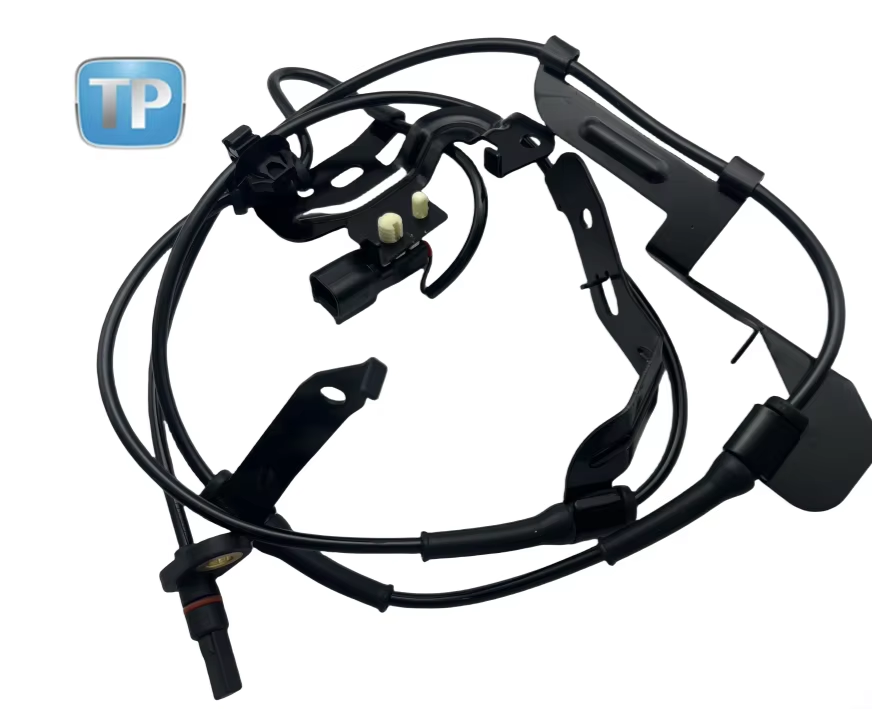
How Auto Sensors Enhance Fuel Efficiency Through Precision Engine Management
Understanding How Auto Sensors Influence Engine Performance and Fuel Economy
Modern car sensors act like the brain's wiring for today's engines, constantly checking important factors like how much air is coming in, what temperature the fuel is at, and what's happening with the exhaust gases. When these parts send live information to the engine computer (known as ECU), they allow for fine tuning of when sparks happen and how much fuel gets injected into each cylinder. Studies done by SAE International last year showed that when sensor systems work at their best, gas mileage goes up between 12 and 15 percent for regular combustion engines. Keeping everything running close to perfect conditions helps cut down on wasted fuel from bad burning or when there's too much or too little air mixed with gasoline.
Key Mechanisms by Which Sensors Regulate Combustion Efficiency
Sensors enhance combustion efficiency through three core mechanisms:
- Air-to-fuel ratio optimization: Oxygen sensors help maintain the stoichiometric balance (14.7:1) for complete combustion
- Intake air measurement: Mass airflow (MAF) sensors determine oxygen volume to enable accurate fuel delivery
- Knock prevention: Detonation sensors detect pre-ignition and adjust spark timing to preserve efficiency
When integrated effectively, these sensor-driven functions reduce fuel overconsumption by up to 20% compared to non-sensor-controlled engines.
The Role of Closed-Loop Feedback Systems in Optimizing Fuel Delivery
Sensor based engine management really comes alive when we look at closed loop feedback systems. The oxygen sensors are constantly checking what's coming out of the exhaust pipe and sending information back to the ECU almost instantly. What happens next is pretty amazing actually - the system can tweak how much fuel gets injected into the engine as many as 100 times every single second. This kind of fast response stops those messy situations where there's either too much or too little fuel mixing with air, which wastes about 3 to 9 percent of fuel during each combustion cycle. From what most mechanics know, these modern systems handle all sorts of changing conditions including different altitudes, normal engine wear over time, and temperature changes that would throw off an old fashioned carburetor setup completely.
Oxygen Sensor: The Leading Auto Sensor for Maximizing Fuel Economy
Oxygen sensor function and impact on fuel efficiency: Core principles explained
O2 sensors track how much unused oxygen remains in exhaust fumes and basically control the mix of air and fuel going into the engine. These little devices sit right at the front of the exhaust manifold and communicate with the car's computer through electrical signals so it can adjust fuel delivery accordingly. According to findings from the latest Engine Efficiency Report released in 2024, cars equipped with working O2 sensors stay pretty close to optimal combustion conditions, typically within about 2% of what engineers call the perfect stoichiometric balance. This means these vehicles burn fuel around 9 to 12 percent better than older models that don't have this feedback system built in.
How oxygen sensors optimize the fuel-to-air ratio for cleaner, more efficient burns
By dynamically balancing air and fuel, O2 sensors promote complete combustion. EPA emissions testing (2023) shows functional sensors reduce hydrocarbon emissions by 34% and carbon monoxide by 41%. This precision avoids "rich mixture" conditions where excess fuel escapes unburned—a major contributor to efficiency loss in aging engines.
Case study: Vehicles with degraded O2 sensors showing 10—15% drop in MPG
A 2023 fleet analysis of 1,200 vehicles revealed:
| Sensor Condition | Average MPG | Fuel Cost Increase (Annual) |
|---|---|---|
| Functional O2 | 28.5 MPG | $0 |
| Degraded O2 | 24.1 MPG | $342 |
Slow response times in aged sensors led to delayed ECU corrections and repeated over-fueling. After replacement, 93% of vehicles regained factory-level fuel economy within two drive cycles.
Strategy: Monitoring oxygen (O2) sensor health through onboard diagnostics
Today's OBD-II systems keep tabs on several important O2 sensor readings like heater circuit resistance, how fast the signal responds (should be under 100 milliseconds ideally), those cross counts happening every minute, plus the voltage range too. Most mechanics suggest getting these checked twice a year with proper SAE J1979 equipment to spot problems before they get bad. Replacing these sensors around the 80k to 100k mile mark tends to prevent that annoying 15% hit to gas mileage we see when old sensors just can't cut it anymore past their factory recommended lifespan.
Mass Air Flow (MAF) Sensor’s Role in Accurate Fuel Delivery and Efficiency
How the Mass Air Flow (MAF) Sensor Measures Intake for Precise Fuel Injection
MAF sensors work by heating up a wire or thin film inside the intake system to determine how much air is actually flowing in. This information helps the engine computer figure out precisely how much fuel needs mixing with that air for best performance. What makes these sensors special compared to other approaches is their ability to react instantly when conditions change during driving. Think about what happens when someone floors the gas pedal suddenly or drives from sea level to mountain roads. The sensor adapts right away so the air fuel mixture stays balanced properly without any delay in calculations that could mess up engine performance.
Impact of Dirty or Failing MAF Sensors on Throttle Response and Fuel Consumption
Contamination from dust or oil residue impairs MAF sensor accuracy, leading to incorrect fuel calculations. A faulty sensor may cause over- or under-fueling, resulting in hesitation, misfires, and up to 20% higher fuel consumption (Ponemon 2022). Early symptoms include rough idling and sluggish throttle response—indicators of broader efficiency issues.
Data Point: Up to 25% Improvement in Fuel Economy After MAF Cleaning or Recalibration
A 2023 Automotive Research Institute study found that cleaning or recalibrating degraded MAF sensors restored fuel efficiency by 15—25%. The table below compares MAF sensors with indirect systems:
| Feature | MAF Sensor | Indirect Systems (e.g., MAP) |
|---|---|---|
| Measurement Type | Direct air mass measurement | Calculates airflow via pressure |
| Fuel Efficiency Impact | Up to 25% improvement post-service | Requires complex ECU compensations |
| Responsiveness | Immediate | Delay-prone due to computational lag |
| Maintenance Vulnerability | Sensitive to contamination | Less affected by debris |
Regular maintenance is essential, as even minor calibration drift can significantly increase fuel waste.
Sensor Synergy: How Interconnected Auto Sensors Prevent Fuel Waste
Synergy Between Oxygen, MAF, and Other Engine Sensors in Maintaining Peak Efficiency
The oxygen and mass airflow (MAF) sensors team up in what's basically a feedback loop for engine management. The MAF does its job measuring how much air is coming into the engine, while the oxygen sensor looks at what's going out through the exhaust pipe. Together they give the engine control unit enough data to tweak fuel delivery almost instantly, keeping things running close to that sweet spot of 14.7 parts air to 1 part fuel. When everything works as it should, this setup cuts down on those pesky incomplete combustion events by around 40 percent, which means better gas mileage for drivers over time.
Phenomenon: Cascading Inefficiencies Caused by a Single Faulty Auto Sensor
When just one sensor goes bad, it can throw off the whole engine management system. Take an O2 sensor that's starting to fail for example. If it sends signals indicating the air-fuel mix is too lean when it's actually not, the computer will compensate by adding extra fuel where it's not needed. The MAF sensor then gets thrown off track too, leading to even more wasted fuel than necessary. According to various industry reports, if these O2 sensor problems aren't fixed promptly, they tend to wear out catalytic converters at rates between 10% and 25% faster than normal. That means not only does the car run less efficiently, but repair costs go up significantly down the road as well.
Case Study: Multi-Sensor Diagnostic Approach Restoring 18% in Fuel Savings
In a 2023 fleet trial, technicians addressed erratic fuel consumption in 12 vehicles using a multi-sensor diagnostic protocol:
- Oxygen sensor voltage analysis
- MAF sensor contamination testing
- Throttle position sensor calibration
Results showed 87% of vehicles had two or more misaligned sensors. After corrective action, average fuel economy improved by 18%, translating to $3,200 in annual savings per vehicle at 15,000 miles.
Future Trends: Advanced MEMS and AI-Driven Sensors for Next-Gen Fuel Optimization
Emerging Role of MEMS Sensors for Fuel Efficiency Optimization in Modern Vehicles
The tiny sensors known as micro-electromechanical systems or MEMS are making big improvements in how vehicles use fuel. These gadgets can detect vibrations, measure tilt angles, and track air flow patterns down to microscopic levels. What makes them special is their size – often half what traditional sensors weigh – which lets cars adjust engine timing and idle settings on the fly. According to recent testing published by SAE International last year, engines fitted with these advanced sensors cut wasted fuel consumption between 9 and 12 percent during city driving conditions. The secret lies in their ability to adapt constantly based on changing road situations and driver behavior patterns.
Integration of MEMS-Based Pressure and Temperature Sensors in Internal Combustion Engines
Modern engines now have these tiny MEMS sensors built right into the cylinder heads and exhaust manifolds so they can collect detailed information about what's happening inside. The pressure sensors keep track of how the combustion process works with incredible accuracy down to just 0.01 pounds per square inch differences. Meanwhile, special thermal sensors spread across the engine block create temperature maps that show hot spots and cold areas. All this detailed information helps the fuel system stay on target when it comes to mixing air and fuel. Most of the time, these systems can keep the mixture ratio within half a percent of what it should be, even when the engine is working hard or dealing with really tough operating conditions out there in the real world.
Future Trend: AI-Driven Micro-Sensor Arrays Enhancing Real-Time Fuel Mapping
Car manufacturers are working on smart sensor networks powered by artificial intelligence that can handle thousands of data points every single second coming from these tiny MEMS devices. Industry folks have been talking about it for a while now - basically, these machine learning programs take all that information and start predicting what kind of roads lie ahead, then tweak the fuel delivery system accordingly. Some early test models show around 15 percent better fuel economy when they adjust the timing of fuel injections right before hitting hills or slowing down in traffic jams. We're probably looking at a whole new chapter in how engines manage themselves based on what's happening around them instead of just reacting after the fact.
FAQ Section
What are auto sensors?
Auto sensors are devices installed in a vehicle's engine system to monitor conditions like airflow, fuel temperature, and exhaust gases, providing data needed for efficient engine management.
How do oxygen sensors improve fuel efficiency?
Oxygen sensors monitor the amount of unused oxygen in the exhaust fumes and adjust the air-fuel mixture, helping maintain optimal combustion conditions and reducing fuel consumption.
Why is it important to maintain MAF sensors?
MAF sensors measure the air intake to deliver precise fuel amounts for combustion. If contaminated or failing, they can cause incorrect fuel calculations, affecting throttle response and increasing fuel consumption.
When should auto sensors be inspected?
It is recommended to have auto sensors, like oxygen and MAF sensors, checked twice a year to identify and address any inefficiencies before they escalate.
Table of Contents
- How Auto Sensors Enhance Fuel Efficiency Through Precision Engine Management
-
Oxygen Sensor: The Leading Auto Sensor for Maximizing Fuel Economy
- Oxygen sensor function and impact on fuel efficiency: Core principles explained
- How oxygen sensors optimize the fuel-to-air ratio for cleaner, more efficient burns
- Case study: Vehicles with degraded O2 sensors showing 10—15% drop in MPG
- Strategy: Monitoring oxygen (O2) sensor health through onboard diagnostics
- Mass Air Flow (MAF) Sensor’s Role in Accurate Fuel Delivery and Efficiency
- Sensor Synergy: How Interconnected Auto Sensors Prevent Fuel Waste
- Future Trends: Advanced MEMS and AI-Driven Sensors for Next-Gen Fuel Optimization
- FAQ Section