
 EN
EN
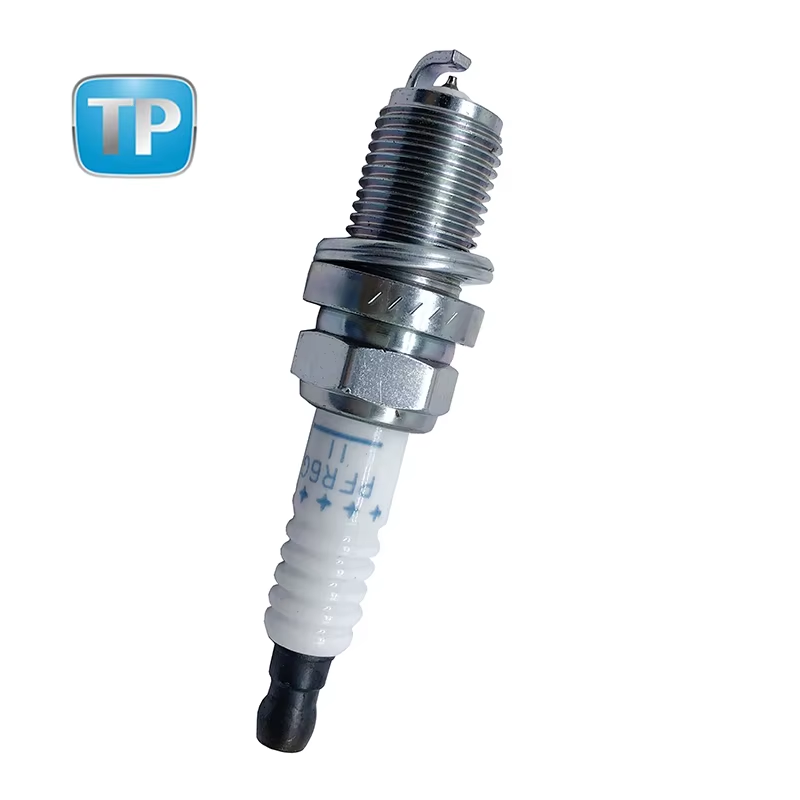
Understanding Spark Plug Heat Range and Engine Compatibility
How heat range affects combustion efficiency and pre-ignition risk
Spark plugs have what's called a heat range, which basically tells us how well they move heat away from where the spark happens to the engine block. When this heat management isn't right, problems happen. If a plug gets too hot, it can lead to something called pre-ignition, where the fuel mix lights off way before it should. This creates massive pressure jumps sometimes over 2000 psi inside the engine, and trust me, that kind of stress will melt pistons and ruin bearings pretty quickly. On the flip side, when plugs are too cool, carbon builds up on them. This carbon acts like insulation around the electrodes, making the spark weak or non-existent altogether. Most performance engines, particularly ones that have been modified for extra power, need colder plugs because these engines run hotter during combustion. Mechanics often recommend checking plug color as part of regular maintenance since it gives clues about whether the engine is running properly or not.
Matching heat range to engine compression, boost, and tuning parameters
Selecting the optimal heat range requires evaluating your engine’s specific operating conditions:
| Engine Parameter | Heat Range Adjustment | Reason |
|---|---|---|
| Increased compression | One step colder | Higher cylinder pressures elevate combustion temperatures |
| Forced induction | Two steps colder | Boosted engines generate 30–40% more heat than naturally aspirated setups |
| Aggressive timing | One step colder | Advanced ignition timing increases thermal loading on plug electrodes |
For every 75–100 horsepower gained through modifications, experts recommend stepping down one heat range number to mitigate pre-ignition risk. Stock street engines typically use mid-range plugs (5–7), while heavily modified forced-induction setups often require cold plugs (8+). Always verify the manufacturer’s specifications before changing plug types.
Evaluating Spark Plug Materials for Performance and Longevity
Copper, platinum, and iridium: Conductivity, service life, and ignition system demands
Copper spark plugs are great at conducting electricity which means they transfer spark energy really well. But there's a catch - those copper electrodes don't last long because they're pretty soft stuff. Most mechanics will tell their customers these need replacing around the 20k mile mark. Platinum versions strike a better balance between lasting power and good performance. They can go about 60k miles before needing attention while still maintaining decent conductivity levels. Now iridium is something else altogether. These plugs handle heat much better thanks to their special shape and construction. Tests show iridium actually conducts electricity about 35% better than platinum does, and some models can run past 100k miles without issues. The real advantage comes from how resistant they are to wearing down over time. For cars with turbochargers or superchargers that create massive cylinder pressure, iridium becomes almost essential since regular plugs would just erode too quickly under those conditions, leading to all sorts of misfires and poor performance.
Compatibility with modern ignition systems (coil-on-plug, direct-fire, aftermarket boxes)
Today's coil-on-plug (COP) and direct fire systems need accurate voltage control, something where iridium's fine wire electrodes really shine. The material disperses heat pretty well while keeping those tiny gaps below 1 mm that are so important for making lean burn combustion work properly. When looking at aftermarket ignition boxes, there are some compatibility issues to consider. Copper spark plugs tend to handle high energy CDI systems okay but wear out fast. Iridium versions can take multi spark discharge without getting welded together, which is a big plus. Platinum sparks have trouble when engines run above 8,000 RPM for long periods because they just get too hot. Before installing anything new, check how different materials match up against what the ignition system actually delivers in terms of voltage. This helps prevent problems like secondary coil failures or timing issues down the road.
Critical Pre-Installation Precautions for Thread Integrity and Safety
Cold-engine removal only: Preventing stripped threads and head damage
Never try pulling out spark plugs while the engine is still hot if we want to avoid serious damage to those delicate threads. When aluminum cylinder heads heat up, they actually expand, which means there's less space between the plug threads and the head itself. The result? Binding forces that can be more than twice what they would be at normal temperatures. Trying to force things apart usually ends badly too many times - either stripping those precious threads or even cracking the whole head. And let's face it, getting that fixed typically runs around $740 according to some industry data from 2023. Just wait for the engine to cool down completely first. Taking this extra time saves money in the long run by keeping those threads intact and avoiding expensive machine shop visits later on.
Battery disconnection, cleaning, and hand-threading protocol to avoid cross-threading
Before working on anything else, make sure to disconnect the battery's negative terminal first. This simple step helps avoid any unwanted sparks while doing maintenance work. When cleaning out the spark plug area, blow away all the dirt and grime with some compressed air. Leftover particles could end up inside the engine and actually scratch those expensive cylinder walls. Start threading things in by hand always remember to turn it counter clockwise just a little bit until it feels right. If there's resistance, stop immediately something isn't lined up properly, so forcing it won't help. Get everything threaded manually all the way through before grabbing any tools. Doing this right prevents damage to both the threads and the engine head itself. Skip these steps at your own risk because fixing messed up threads usually means spending money on helicoil repairs down the road.
Precision Installation: Torque, Gap, and Coating Best Practices
Torque accuracy: Why ±5 lb-in deviation risks misfire or head warping
Going over the recommended spark plug torque specs even by 5 lb-in can really mess with aluminum cylinder heads. This puts them under stress that might strip threads or warp the metal as things heat up differently across the surface. On the flip side, if we don't tighten enough, the heat transfer gets messed up too. Combustion chambers run hotter then, sometimes climbing between 70 and 120 degrees Fahrenheit above normal, which invites all sorts of trouble like pre-ignition issues. Some folks looked into this back in 2023 and found out that about one in five engine problems related to ignition actually stemmed from wrong torque settings, especially in those modified setups people play around with. The bottom line? Grab a good quality inch-pound wrench for these jobs, skip the impact tools entirely, and stick closely to what the manufacturer says about torque specs. Small mistakes here can lead to big headaches down the road.
Gapping with a feeler gauge: When OEM specs override generic recommendations
Modern ignition systems demand electrode gaps accurate to ±0.004". While generic gap tables suggest 0.028"–0.032" for naturally aspirated engines, forced induction or high-energy COP systems often require tighter clearances (0.022"–0.026") to prevent spark blowout. Verify gaps exclusively with a wire-type feeler gauge—coin-style tools can damage precious metal electrodes.
Why anti-seize is prohibited on factory-coated spark plugs
Putting anti-seize on those trivalent chromated or nickel plated spark plugs actually makes things worse because it creates extra friction when installing them. Mechanics often end up tightening them too much, sometimes by as much as 20%. What happens next? The protective coating gets damaged, which means it can't prevent metal sticking anymore. Plus, heat transfer gets messed up too, dropping around 12 to 15% efficiency. This leads to hot spots forming where they shouldn't. Now for regular old unplated spark plugs like bare steel ones, there's still room to use some ultra thin nickel based anti seize product. Just remember to check the service manual first though. Some manufacturers specifically allow it while others might warn against it completely depending on their design specifications.
Diagnostic Insights from Spark Plug Inspection and Replacement Timing
Reading deposits and electrode wear to diagnose oil leaks, coolant intrusion, or fuel trim issues
Spark plug inspection provides actionable diagnostic insight beyond basic functionality. Electrode wear patterns reveal underlying combustion health:
- Excess carbon buildup suggests oil consumption or rich fuel mixtures
- Chalky white deposits indicate coolant intrusion or lean fuel trim issues
- Eroded center electrodes correlate with advanced ignition timing or chronic overheating
Industry data shows 73% of engine misfires originate from spark plug degradation (2024 Combustion Analysis Report). Technicians use these forensic markers to identify root causes—including failing valve seals, head gasket leaks, or MAF sensor drift—before they escalate into major repairs.
Beyond mileage: Real-world replacement triggers and extended-life plug limitations
While manufacturers recommend replacement intervals (typically 30,000–50,000 miles), real-world conditions often demand earlier intervention:
- Performance symptoms: Hard starts, rough idling, or hesitation under load
- Efficiency drops: €15% reduction in fuel economy
- Ignition stress: Frequent short trips, stop-and-go driving, or sustained high-temperature operation
Extended-life plugs (iridium/platinum) reliably last 100,000+ miles in stock, well-maintained applications—but degrade significantly faster when exposed to modified ignition timing, aftermarket forced induction, or ethanol-blended fuels. Proactive replacement based on condition—not just mileage—helps preserve catalytic converter function and sustain optimal air-fuel combustion.
FAQ
What is spark plug heat range?
The heat range of a spark plug indicates its ability to dissipate heat from the combustion chamber. It affects combustion efficiency and the risk of pre-ignition.
How do I choose the right heat range for my engine?
Choosing the correct heat range involves evaluating your engine's operating conditions, such as compression, boost, and timing parameters.
What are the best materials for spark plugs?
Copper, platinum, and iridium are common materials. Copper conducts well but wears quickly, platinum offers a balance, and iridium provides superior longevity and conductivity.
Can anti-seize be used on spark plugs?
Anti-seize is generally prohibited on factory-coated plugs as it increases friction and can damage the protective coating. Check your service manual for specific manufacturer advice.
How often should spark plugs be replaced?
Replacement is typically recommended every 30,000–50,000 miles, but real-world conditions and performance changes may necessitate more frequent replacements.
What are signs that spark plugs need replacing?
Look for performance symptoms like hard starts, rough idling, or decreased efficiency. Visual inspection for carbon buildup or electrode erosion also helps identify issues.
Table of Contents
- Understanding Spark Plug Heat Range and Engine Compatibility
- Evaluating Spark Plug Materials for Performance and Longevity
- Critical Pre-Installation Precautions for Thread Integrity and Safety
- Precision Installation: Torque, Gap, and Coating Best Practices
- Diagnostic Insights from Spark Plug Inspection and Replacement Timing
- FAQ