
 EN
EN
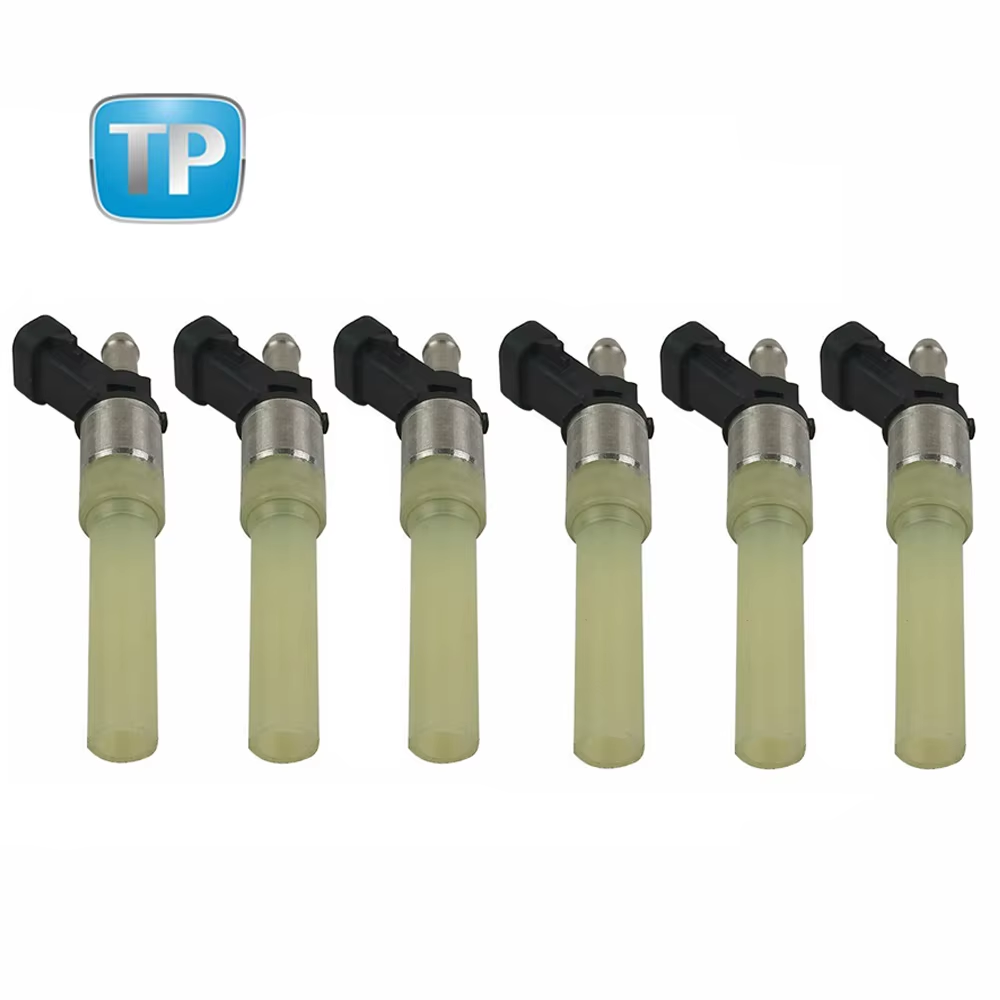
Calculate Optimal Fuel Injector Size Using Engine Performance Data
Injector Sizing Formula: HP, BSFC, Cylinder Count, and Fuel Type
Calculate fuel injector capacity using the standard formula:
Injector Flow Rate (lb/hr) = (Max Horsepower ÷ BSFC) × (Number of Injectors ÷ Duty Cycle).
For gasoline engines, use a BSFC of 0.45–0.55 lb/hp-hr; diesel systems require 0.60–0.70, and ethanol blends approach 0.85. Maintain duty cycles at ≤85% to prevent overheating and erratic atomization.
Example: A 400 HP turbocharged gasoline engine with 6 injectors requires ≥48 lb/hr per injector [(400 ÷ 0.60) × (6 ÷ 0.85)]. Underestimating injector size forces operation beyond safe thresholds—increasing failure rates by 33% in high-load applications.
Understanding Brake-Specific Fuel Consumption (BSFC) for Accurate Fuel Flow Estimation
BSFC quantifies engine efficiency as fuel consumed per unit of horsepower produced. Turbocharged gasoline engines typically achieve 0.52–0.60 lb/hp-hr, while naturally aspirated variants average closer to 0.48. Diesel powertrains operate at higher BSFC (0.60–0.70) due to greater thermal efficiency and combustion dynamics.
BSFC rises with boost pressure and richer air-fuel mixtures—high-boost applications may increase BSFC by 10–25%. For precision, rely on dyno-tested BSFC values; estimation alone introduces up to 14% flow error in fleet maintenance contexts. Cross-reference OEM technical documentation or SAE J1349 standards before finalizing calculations.
Interpreting Flow Metrics (cc/min vs. lb/hr) and Pressure Compensation in Fuel Injector Selection
Convert between units using 1 lb/hr ≈ 10.5 cc/min, recognizing that European manufacturers commonly specify flow in cc/min, while North American suppliers use lb/hr. Fuel pressure changes affect flow non-linearly:
| Pressure Change | Flow Adjustment | Example: 1000cc @ 50psi |
|---|---|---|
| +20% | –10% | 1100cc @ 60psi |
| -15% | –8% | 920cc @ 42.5psi |
Modern pressure-compensated injectors maintain ±2% flow consistency across 40–100 PSI operating ranges. Non-compensated units risk 8–20% performance deviations if system pressure isn’t verified pre-installation. Always specify units clearly in procurement and documentation to avoid supply-demand mismatches.
Match Fuel Injector Type and Actuation Technology to Engine Architecture
MPI vs. GDI vs. common rail: Aligning fuel injector type with engine design and emissions requirements
Selecting among multi-point injection (MPI), gasoline direct injection (GDI), and common rail diesel systems demands alignment with combustion architecture, thermal management, and regulatory compliance.
Multi Point Injection works by spraying fuel into the intake ports, which makes it great for those old school naturally aspirated gas engines where keeping things simple, controlling costs, and making repairs easy are what matters most. Gasoline Direct Injection takes a different approach altogether, pumping pressurized fuel straight into the combustion chambers. This method boosts thermal efficiency somewhere around 15%, though actual results can vary depending on conditions. It also cuts down on particulates when used in turbocharged setups. For diesel engines, common rail systems have become standard equipment these days. These systems rely on super high pressure reservoirs, often exceeding 2000 bar in many modern applications. The extreme pressures allow for multiple injections during each cycle, something absolutely necessary if manufacturers want their vehicles to pass those tough Euro 6 and EPA Tier 4 emission tests without breaking a sweat.
Misalignment causes serious operational consequences: installing MPI in high-compression direct-injection engines invites pre-ignition, while retrofitting common rail hardware onto legacy mechanical pump systems creates unmanageable pressure inconsistencies.
| System | Optimal Engine Type | Emissions Advantage | Pressure Range |
|---|---|---|---|
| MPI | Port-injected gasoline | Reduced HC emissions | 3–5 bar |
| GDI | Turbocharged gasoline | 10–12% CO₂ reduction | 50–200 bar |
| Common Rail | Modern diesel | 90% NOx/PM reduction | 1,600–2,500 bar |
Solenoid vs. piezo actuation: Response time, durability, and control precision for high-duty cycles
The main differences between solenoid and piezoelectric actuators lie in how fast they work, how accurately they control fuel delivery, and what kind of environments they can handle. Solenoid injectors basically work by using electromagnetic coils to open the nozzle when needed. They typically respond within around 1 to 2 milliseconds, which is good enough for regular consumer vehicles and many mid-range industrial applications. Piezo injectors take a different approach altogether. These use special crystal materials that actually expand very slightly when electricity is applied. Because of this unique property, piezo injectors can react in less than 0.1 milliseconds. That super quick response time allows them to perform up to eight separate fuel injections during each engine combustion cycle. This advanced timing helps reduce soot particles by about 30% in big trucks and other heavy machinery. However there's a tradeoff here too. The same crystals that give piezos their speed advantage also make them much more sensitive to dirt and impurities in the fuel system compared to traditional solenoids.
Fleet data shows solenoid injectors average 300,000-mile lifespans in highway operations, while piezo units last 25% longer if paired with stringent filtration. Urban delivery fleets benefit from piezo’s throttle responsiveness; long-haul operators prioritize solenoid robustness and lower fuel cleanliness requirements.
Ensure End-to-End Fuel System Compatibility and Integrity
Verifying compatibility across fuel pump capacity, rail pressure, regulator function, and line integrity
When picking fuel injectors, it's important to look at everything together instead of just checking one thing at a time. Start by making sure the fuel pump can actually deliver enough fuel when needed. Check what the pump flows in liters per hour or gallons per hour and compare that to what the engine needs under full load at whatever pressure the system is set for. If the pump isn't big enough, the engine will run too lean when accelerating hard. Then take a good look at how stable the pressure regulator really is. Small changes in pressure above or below 5% can mess with how the fuel sprays out of the injectors, which affects how consistent combustion happens across all cylinders. This matters because inconsistent combustion leads to poor performance and potentially damaged components over time.
Check fuel lines for tiny leaks using pressure decay tests. When air gets into these systems, it messes with the signal pulses and leads to engine misfires. Getting the injector size right matters too. The O-ring groove depth, how far the nozzle sticks out, and the mounting flange all need to fit properly with the rail and manifold connections. We're talking about really small tolerances here. A half millimeter difference in length or shape of the sealing surfaces can cause big problems down the road. Installation might fail completely, or worse, create leaks inside the combustion chamber that nobody wants to deal with later on.
Diagnosing tank contamination and filtration issues that compromise fuel injector longevity
Contaminated fuel accounts for 37% of premature injector failures in commercial fleets (Commercial Fleet Maintenance Report, 2023). Proactive diagnostics include:
- Visual inspection using tank cameras to detect microbial growth (“diesel bug”) or sediment buildup
- Monitoring filter differential pressure—spikes >4 PSI signal saturation
- Quarterly fuel analysis for water content (>200 ppm risks solenoid coil corrosion)
Upgrade to multi-stage filtration combining coalescing water separators and 10-micron particulate filters. Diesel fleets should apply biocide treatments every six months to prevent bacterial sludge clogging nozzle orifices. Compromised spray patterns increase particulate emissions by 300% and reduce fuel economy by 12%.
Account for Critical Diesel vs. Petrol Fuel Injector Differences
Pressure differentials, spray patterns, and material demands: Why diesel and petrol fuel injectors are not interchangeable
Diesel injectors operate at extreme pressures—often exceeding 30,000 PSI—to atomize viscous fuel under compression ignition. This necessitates hardened steel bodies, specialized nozzle geometries, and conical spray patterns optimized for turbulent mixing in high-compression chambers.
Petrol injectors work at much lower pressure levels compared to their diesel counterparts. For regular port injection setups, we're talking about less than 100 PSI, whereas GDI systems might reach around 200 bar. These injectors typically have either multiple holes or special swirl designs that help mix fuel properly for the spark ignition process. Now when it comes to materials, there's a real problem here. Diesel injectors just don't last long in petrol engines because petrol lacks the lubricating properties that diesel has. On the flip side, if someone tries to run diesel through a petrol injector, those injectors tend to break down pretty quickly under the higher hydraulic stress from diesel fuel. This mismatch causes serious issues over time.
Mixed-fleet maintenance strategies: Managing fuel injector inventory and cross-contamination risks
Segregate storage with color-coded labeling—black for diesel, blue for petrol—to prevent accidental installation errors that incur $7,000+ engine damage per incident. Implement barcode scanning during receiving to validate OEM part numbers against engine application databases.
Dedicate separate fuel lines, filters, and dispensing equipment for each fuel type to eliminate hydrocarbon cross-contamination—the leading cause of nozzle clogging in mixed-fuel facilities. Use ultrasonic cleaning tanks exclusively for one fuel type; residual transfer during reconditioning accelerates wear and flow inconsistency.
Evaluate Fuel Injector Reliability, Sourcing, and Lifecycle Cost
OEM vs. remanufactured vs. aftermarket fuel injectors: Performance consistency and failure mode analysis
Original equipment manufacturer injectors are known for their reliability, typically showing failure rates under half a percent throughout warranty coverage according to recent fleet maintenance data from 2023. When looking at remanufactured alternatives, these can save anywhere between 40 to 60 percent on costs, though they tend to have around three percent variation in fuel flow compared to just one percent for genuine parts. This difference might lead to problems with combustion balance in modern engines that require tight tolerances, such as those found in gasoline direct injection systems or common rail setups. Then there's the aftermarket market where things get even trickier. Studies indicate roughly twelve out of every hundred injectors fail before reaching fifty thousand miles driven, primarily because manufacturers cut corners on materials quality and proper calibration procedures when producing these cheaper options.
Typical service life: diesel injectors last 100,000–200,000 miles; petrol units average 80,000–100,000 miles. Key failure modes include:
- OEM: Seal degradation after ~150,000 miles
- Remanufactured: Nozzle clogging from residual contaminants
- Aftermarket: Solenoid burnout due to undersized windings
Fleet managers should mandate pulse-and-balance testing every 25,000 miles to detect flow deviations >4%—a proven predictor of imminent failure.
Counterfeit detection, part number validation, and warranty-backed sourcing for large-scale operations
Combat counterfeits through layered verification: cross-check OEM part numbers in real-time manufacturer databases; inspect laser-etched serial numbers under UV light; verify holographic seal markings (blurred edges indicate fakes). At receiving docks, deploy barcode scanning to flag mismatched packaging batches instantly.
Prioritize suppliers offering:
- Minimum 2-year performance warranties
- Full batch traceability documentation
- Third-party ISO 9001 certification
Centralized procurement reduces counterfeit exposure by 73% versus decentralized purchasing (NADA 2024). Maintain physically separated inventories for diesel and petrol injectors to prevent cross-contamination during handling and storage. Negotiate bulk contracts with failure-rate clauses—for example, credits for injectors failing before 100,000 operating hours.
FAQ
What is BSFC, and why is it important for fuel injector sizing?
Brake-Specific Fuel Consumption (BSFC) quantifies the engine's efficiency in terms of fuel consumption per unit of horsepower. It is crucial for calculating the appropriate fuel injector size to ensure optimal performance and prevent engine failure.
What's the difference between solenoid and piezoelectric injectors?
Solenoid injectors use electromagnetic coils, offering a balanced speed and durability, while piezoelectric injectors use crystal technology, enabling faster response times and precision, but they require cleaner fuel to function effectively.
Why is pressure compensation important in fuel injector selection?
Pressure compensation ensures that fuel injectors can maintain consistent flow across varying pressure conditions, preventing performance deviations that could impact engine efficiency and longevity.
Can diesel and petrol fuel injectors be used interchangeably?
No, diesel and petrol fuel injectors cannot be interchangeably used due to differences in pressure levels, spray patterns, and material requirements. Using them incorrectly can lead to severe engine damage.
How can I avoid counterfeit fuel injectors?
To avoid counterfeit injectors, cross-check OEM part numbers, inspect for proper serial number etching and holographic seals, and ensure procurement from reliable sources offering warranties and traceability.
Table of Contents
- Match Fuel Injector Type and Actuation Technology to Engine Architecture
- Ensure End-to-End Fuel System Compatibility and Integrity
- Account for Critical Diesel vs. Petrol Fuel Injector Differences
- Evaluate Fuel Injector Reliability, Sourcing, and Lifecycle Cost
-
FAQ
- What is BSFC, and why is it important for fuel injector sizing?
- What's the difference between solenoid and piezoelectric injectors?
- Why is pressure compensation important in fuel injector selection?
- Can diesel and petrol fuel injectors be used interchangeably?
- How can I avoid counterfeit fuel injectors?