
 EN
EN
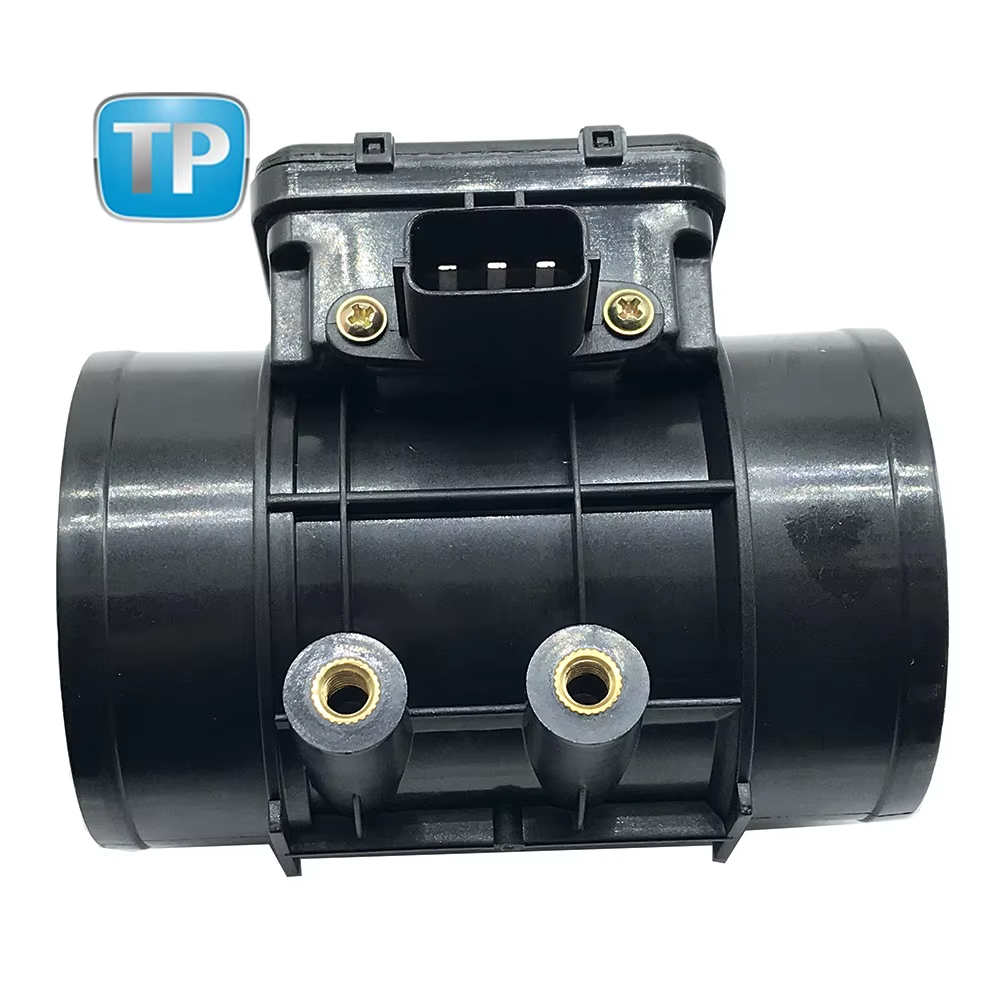
Why Flow Meters Are Critical for Early Engine Health Detection
Anomalous fuel flow as a leading indicator of mechanical degradation
Flow meters detect subtle fuel delivery inconsistencies that serve as early warnings of mechanical degradation. Abnormal flow patterns precede 76% of mechanical failures by 3–6 weeks—often before traditional sensors register anomalies—enabling truly proactive maintenance (SAE International, 2023). Key indicators include:
- Sudden flow rate fluctuations during constant-load operation
- Gradual consumption increases exceeding 1.5% above monthly baselines
- Irregular pressure differentials during acceleration cycles
These deviations frequently signal injector wear, fuel pump degradation, or developing compression loss. Acting on flow-based insights reduces repair costs by up to 40% compared to reactive maintenance (Ponemon Institute, 2023).
Linking real-time flow deviations to combustion inefficiency and wear progression
Modern flow meters sample at up to 2.2 kHz, resolving microsecond-level fuel variations and synchronizing them with individual combustion events. This high-resolution correlation reveals how transient flow behavior directly accelerates wear:
- Rich-burn cycles (>102% fuel delivery) cause cylinder washdown, accelerating piston ring wear
- Lean spikes (<94% flow under high load) elevate peak combustion temperatures by 150–220°C, stressing valves and liners
- Flow instability (±0.5% fluctuation at idle) correlates with 30% faster injector nozzle erosion
When fused with crank-angle-resolved torque and emissions data, flow signatures enable precise prognostic modeling—transforming the meter from a passive sensor into a predictive health monitor that maps real-time flow characteristics to remaining component life.
Real-Time Flow Meter Data in Diagnostic Decision-Making
High-frequency sampling (up to 2.2 kHz) captures transient load events invisible to conventional sensors
Standard engine sensors working at frequencies under 500 Hz actually miss around 87 percent of those tiny fuel problems happening in microseconds when things get really dynamic, like when the turbocharger starts spinning up fast or there's a sudden gear shift surge. The difference comes with flow meters sampling at 2.2 kHz instead. These catch all those hidden issues we normally wouldn't see, showing problems with injectors getting dirty, compression leaks forming, or valves not timing right anymore. According to research published by SAE in 2023, using high resolution flow monitoring can spot bearing wear about 42 days before regular diagnostic systems would pick it up. Getting this level of detail makes for much better maintenance scheduling overall.
- Identifying combustion instability during sub-100 ms load transitions
- Pinpointing inter-cylinder fuel delivery imbalances
- Detecting air intake restrictions before fault codes activate
Fusing flow meter outputs with crank-angle-resolved torque and emissions signals for root-cause analysis
Combining flow information with torque measurements taken at specific crank angles along with NOx and CO2 emissions gives us a much richer picture of engine health. When we see unusual flow patterns matching certain crank positions, particularly around the 15 to 45 degree mark after top dead center where torque tends to fluctuate, it helps tell apart problems with fuel injectors from issues with worn piston rings. Looking at emissions at the same time makes things even clearer. High NOx levels usually mean too much fuel is burning in the cylinders, while drops in CO2 often point to exhaust system problems when there's not enough air getting through. Industry tests show these combined sensor readings cut down on wrong diagnoses by about three quarters. Instead of just replacing parts randomly, technicians can focus on what actually needs fixing, like adjusting injection timing or other specific repairs.
Flow Meters in Engine Calibration and Performance Optimization
Trade-offs between mass flow meter accuracy (±0.25% FS) and cost in calibration repeatability
When it comes to engine calibration work, mass flow meters with around 0.25% full scale accuracy really make all the difference for getting those repeatable results we need. These devices help keep air and fuel measurements consistent throughout different test runs, which is absolutely critical for proper engine development. The level of precision helps reduce those annoying variations when tuning air-fuel ratios and mapping combustion efficiency, making it much easier to meet emissions standards and hit those fuel economy targets everyone's so focused on these days. But here's the catch: getting this kind of accuracy usually means going with either thermal or Coriolis technology options, which can add 20 to 40 percent to the overall cost compared to cheaper alternatives. Take thermal mass flow meters as an example they typically run between five thousand and ten thousand dollars for models that meet the 0.25% specification requirements. Meanwhile, turbine based meters with 1% accuracy specs cost roughly half that amount, somewhere between two and four grand. Sure, the initial expense might strain budgets particularly tight ones in small labs but think about what you get back over time fewer recalibrations needed, less frequent validation tests, and just plain better confidence in our calibration data. Ultimately, picking the right meter boils down to what matters most for each project. Emissions certification definitely needs top notch equipment, but for durability testing sometimes labs can get away with slightly less precise instruments as long as they have solid statistical methods to validate their findings.
Selecting the Right Flow Meter for Engine Monitoring Applications
Choosing the optimal flow meter for engine diagnostics requires balancing precision, durability, and application-specific demands. Consider these critical factors:
- Accuracy Requirements: Engine health monitoring demands high-precision measurement (±0.5% or better) to resolve micro-leaks, inter-cylinder imbalances, and combustion irregularities.
- Fluid Compatibility: Verify chemical resistance to fuels (including aggressive biodiesel blends), lubricants, and coolants—material incompatibility can cause drift or sensor failure.
- Environmental Resilience: Prioritize models rated for extreme temperatures (−40°C to 150°C) and vibration resistance (≥5g RMS) to maintain stability in harsh engine bay conditions.
- Response Dynamics: Select sensors with >100 Hz bandwidth to capture transient events like turbo spool-up, cold-start enrichment, or rapid throttle transients.
- Lifecycle Costs: Evaluate total cost of ownership—not just purchase price—including calibration intervals, maintenance requirements, and expected service life. Coriolis meters deliver superior accuracy and minimal drift but carry higher initial and operational costs; ultrasonic alternatives offer strong performance at lower ownership expense for many diagnostic applications.
Matching these parameters to your engine’s operating envelope ensures measurement integrity, prevents premature drift, and sustains the sensitivity needed to detect early-stage efficiency losses.
FAQs
What are flow meters and why are they important for engine health?
Flow meters measure the rate of fluid passing through a system. They are crucial for early detection of engine health issues by identifying abnormal fuel flow patterns, which can indicate mechanical degradation.
How do flow meters enhance diagnostic decision-making?
By providing high-frequency data that identifies transient load events and integrates torque and emissions signals, flow meters help refine troubleshooting to target specific engine problems, reducing misdiagnoses.
What considerations should be made when selecting a flow meter?
Key factors include measurement accuracy, fluid compatibility, environmental resilience, response dynamics, and total lifecycle costs, ensuring the chosen meter meets specific engine monitoring needs.