
Oil Cooler Installation Guide: Expert Tips for Optimal Performance

All Categories
Comprehensive Oil Cooler Installation Guide for Optimal Performance

Comprehensive Oil Cooler Installation Guide for Optimal Performance

This Oil Cooler Installation Guide provides essential insights into the installation process, benefits, and maintenance of oil coolers. With over 20 years of expertise in auto parts, Guangzhou Tang Pei Trading Co., Ltd. offers top-quality oil coolers and components to ensure your vehicle operates efficiently. Our guide covers everything from selecting the right oil cooler to detailed installation steps, aimed at helping you enhance your vehicle's performance and longevity.
Get A Quote

Advantages of the product

Durable and Pressure Resistant

Constructed with durable materials, our oil coolers are designed to withstand high oil pressures and the rigors of engine operation. The core and housing are made of materials that resist corrosion and damage from engine vibrations and thermal expansion. This durability ensures that the oil cooler can operate reliably for a long time, even in harsh engine environments.

Compatibility with Various Oil Types

Designed to be compatible with various types of engine oils, including synthetic, semi - synthetic, and mineral oils, our oil coolers can be used in a wide range of vehicles. They do not react with the oil additives, ensuring that the oil's properties remain unchanged and the cooler's performance is not affected by the type of oil used.

Related products

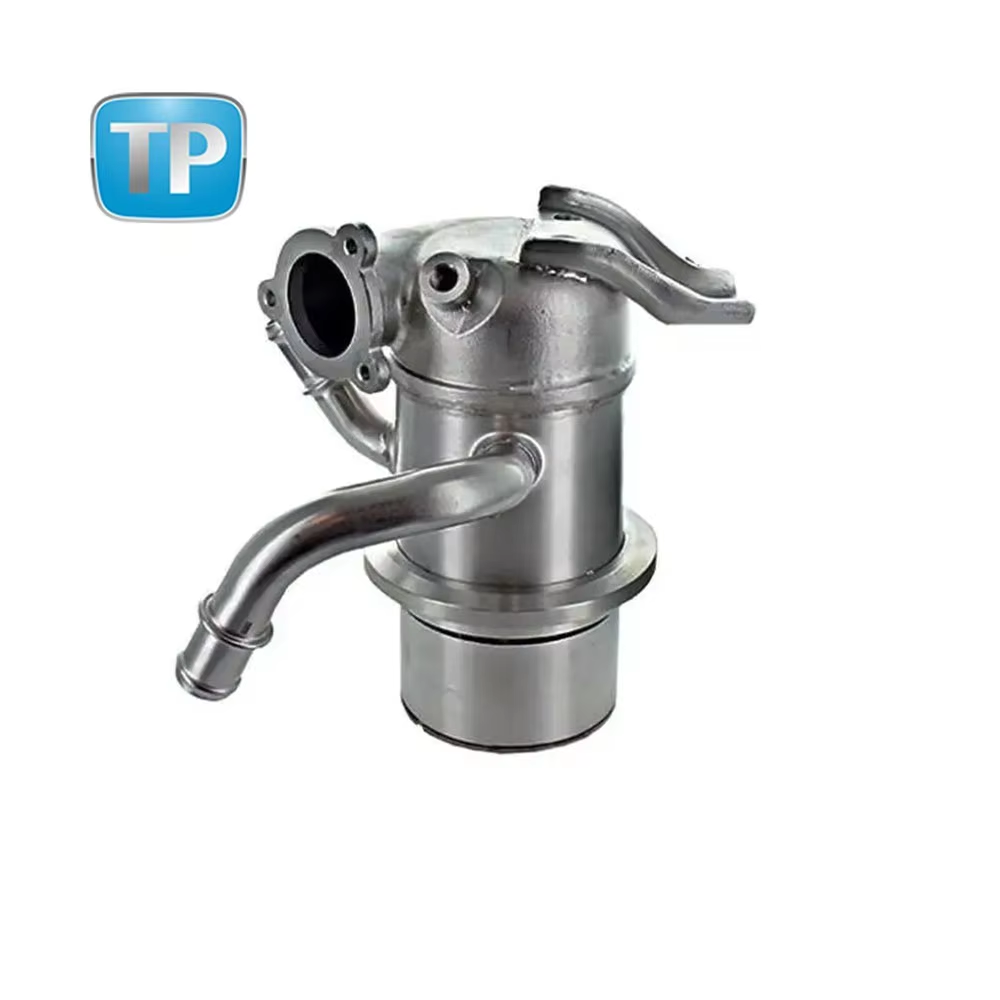
Oil coolers play a crucial role in maintaining engine performance by regulating oil temperature. Proper installation is essential to ensure optimal functionality. When selecting an oil cooler, consider factors such as vehicle type, engine size, and intended use. Our oil coolers are designed to fit a wide range of vehicles, ensuring compatibility and efficiency.

The installation of an oil cooler typically involves several steps: first, identify the ideal mounting location, ensuring adequate airflow; next, connect the oil lines to the engine and cooler; and finally, secure all components to prevent leaks. Regular maintenance, including checking for leaks and ensuring proper airflow, is vital for the longevity of your oil cooler. By following our guide, you can enhance your vehicle's performance, ensuring it runs smoothly and efficiently.

common problem

What is the function of an oil cooler in a vehicle?

An oil cooler in a vehicle helps to regulate the temperature of the engine oil. Engine oil can heat up during operation, and if it gets too hot, its lubricating properties can be reduced, leading to increased wear on engine components. The oil cooler cools the oil by passing it through a heat - exchanger, where it exchanges heat with either air or coolant, keeping the oil at an optimal temperature for proper engine operation.
Signs of a malfunctioning oil cooler include high engine oil temperatures, which may be indicated by the oil temperature gauge on the dashboard. There could also be oil leaks, either from the cooler itself or from its connections. If the oil cooler is clogged, it may cause poor oil circulation, leading to engine knocking or other abnormal noises due to insufficient lubrication. In some cases, a failing oil cooler can also affect the overall performance of the engine.
There is no standard maintenance interval for an oil cooler. However, during regular vehicle maintenance, it's a good idea to inspect the oil cooler for leaks, damage, and proper operation. If the vehicle is used in extreme conditions, such as towing heavy loads or in hot climates, more frequent inspections may be necessary. Also, if there are any signs of a problem, it should be checked immediately.

Related article

How to Identify a Failing Transmission Filter

09

Jul

How to Identify a Failing Transmission Filter

Key Symptoms of a Failing Transmission Filter Hard Shifting and Gear Slippage When a transmission filter starts going bad, drivers typically feel hard shifts and gears slipping around. People who notice their car suddenly jumping between gears or mak...
View More
The Role of Oil Pressure Sensors in Vehicle Maintenance

09

Jul

The Role of Oil Pressure Sensors in Vehicle Maintenance

Understanding Oil Pressure Sensors and Their Function How Oil Pressure Sensors Monitor Engine Health Oil pressure sensors are really important for keeping an eye on how healthy an engine actually is since they continuously monitor what's happening...
View More
How Crankshaft Position Sensors Improve Engine Timing

09

Jul

How Crankshaft Position Sensors Improve Engine Timing

Core Function of Crankshaft Position Sensors How Magnetic Fields & Trigger Wheels Generate Signals Crankshaft position sensors work mainly through magnetic fields and those little trigger wheels attached to the crankshaft itself. These trigger wheel...
View More
Ignition Coils: Why Are They Critical for Engine Starting?

09

Jul

Ignition Coils: Why Are They Critical for Engine Starting?

The Role of Ignition Coils in Engine Starting How Ignition Coils Convert Voltage for Spark Plugs Ignition coils play a vital role in converting the low voltage from a car battery into the much higher voltage needed for spark plugs to work properly....
View More

User evaluation of the product

Maxwell Taylor

The oil cooler is of great quality. It has a good heat dissipation performance and has been keeping my engine oil at a proper temperature. The company provided good product details and support.

Emma Miller

I'm really happy with the oil cooler. It's easy to install and works perfectly. The company has a wide range of oil coolers to choose from, which is convenient.

William Anderson

These oil coolers are great. They are durable and have a long lifespan. The ordering process was simple, and the product arrived in perfect condition.

Get a Free Quote

Our representative will contact you soon.
Email
Mobile/WhatsApp
Name
Company Name
Message
0/1000
Improved Engine Performance

Improved Engine Performance

By maintaining the proper oil temperature, our oil coolers help to improve engine performance. Cooler oil flows more freely, reducing friction between moving engine parts and allowing the engine to operate more efficiently. This reduced friction can lead to increased power output, better fuel economy, and smoother engine operation.